6 Kingdoms Of Life Chart
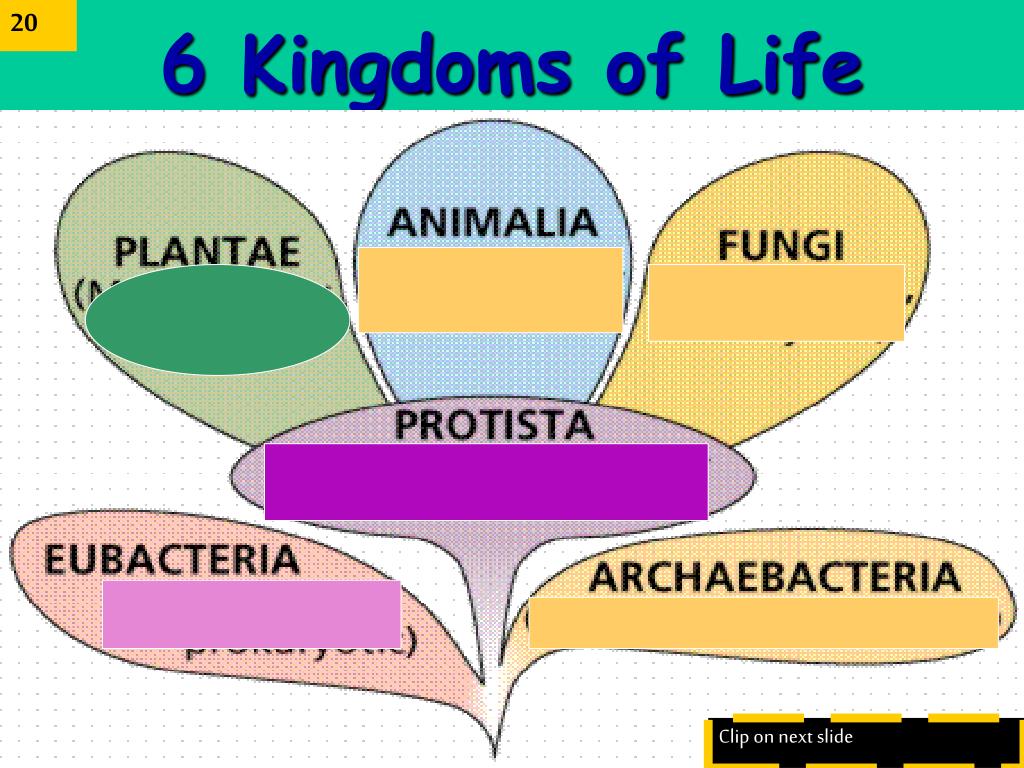
6 Kingdoms Of Life Chart - The most recognizable are animalia and plantae, and the four remaining are fungi, protista, archaebacteria and eubacteria. Web characteristics of the 6 kingdom of life. Web today all living organisms are classified into one of six kingdoms: Who couldnt find any good study material so decided to make her own. Archaebacteria, eubacteria, fungi, protista, plants and animals. Web the 5 kingdoms of life are animalia, plantae, fungi, protista, and monera. Web our six kingdom files contain 180 pages including the materials and instructions, suggestions for use and also included are materials and suggestions suited to create lap books and journals with your children should you choose. Plantae, contains all plants on earth. Scientist group organisms into kingdoms based on these three factors: Bacteri a archaea eukarya kingdom: In biology, a kingdom of life is a taxonomy rank that is below domain and above phylum. From an evolutionary perspective, archaebacteria and eubacteria are the simplest organisms, having evolved billions of years ago. The chart below shows how the kingdoms have changed over time. Web characteristics of the 6 kingdom of life. Who couldnt find any good study material so decided to make her own. The most recognizable are animalia and plantae, and the four remaining are fungi, protista, archaebacteria and eubacteria. Web 6 kingdoms of life chart kingdom cell type body form cell structure nutrition habitat distinguishing characteristics examples animalia plantae fungi protista eubacteria archaebacteria. Recommended for grades 3 to 5. All organisms are traditionally classified into three domains and further subdivided into one of six kingdoms of life: Web our six kingdom files contain 180 pages including the materials and instructions, suggestions for use and also included are materials and suggestions suited to create lap books and journals with your children should you choose. 6 kingdoms of life, from simplest to most complex, are as follows: Web 6 kingdoms of life, complete your thinking map by putting the title of the kingdom and some illustrated examples of organisms that belong to that kingdom in each box. Web the 5 kingdoms of life are animalia, plantae, fungi, protista, and monera. Students shared 4658 documents in. Web under the three domains are six kingdoms in taxonomy: Not making their own food as plants do. Archaebacteria are unicellular organisms without a cell nucleus. Web our six kingdom files contain 180 pages including the materials and instructions, suggestions for use and also included are materials and suggestions suited to create lap books and journals with your children should. Topics includes cell organelles, transport, cellular respiration, photosynthesis, dna and rna. Web there are now six commonly accepted kingdoms. Or, see how some other. Each kingdom includes a set of organisms that share similar characteristics. Not making their own food as plants do. See details for further information (below) Plantae, contains all plants on earth. The 6 kingdoms of life domai n: Bacteri a archaea eukarya kingdom: Web there are six kingdoms that all have different properties and vary widely. Web there are six kingdoms that all have different properties and vary widely. Laminted charts measure 18 x 12 each. Topics includes cell organelles, transport, cellular respiration, photosynthesis, dna and rna. The kingdom is the largest group of organisms. Web traditionally, some textbooks from the united states and canada used a system of six kingdoms ( animalia, plantae, fungi, protista,. Web all organisms are classified into six different kingdoms—archaebacteria, eubacteria, protists, fungi, plants and animals. Web today all living organisms are classified into one of six kingdoms: Web traditionally, some textbooks from the united states and canada used a system of six kingdoms ( animalia, plantae, fungi, protista, archaea /archaebacteria, and bacteria or eubacteria), while textbooks in other parts of. Scientists debate how many kingdoms there are, with many arguing that there are six. The most recognizable are animalia and plantae, and the four remaining are fungi, protista, archaebacteria and eubacteria. Web 6 kingdoms of life, complete your thinking map by putting the title of the kingdom and some illustrated examples of organisms that belong to that kingdom in each. The kingdom is the largest group of organisms. Web today all living organisms are classified into one of six kingdoms: Not making their own food as plants do. In other words, kingdoms are the second highest taxonomic rank. The most recognizable are animalia and plantae, and the four remaining are fungi, protista, archaebacteria and eubacteria. Web traditionally, some textbooks from the united states and canada used a system of six kingdoms ( animalia, plantae, fungi, protista, archaea /archaebacteria, and bacteria or eubacteria), while textbooks in other parts of the world, such as the united kingdom, pakistan, bangladesh, india, greece, brazil, spain use five kingdoms only (animalia, pla. Web there are now six commonly accepted kingdoms.. The organisms in each kingdom are considered biologically distinct from the others. Topics includes cell organelles, transport, cellular respiration, photosynthesis, dna and rna. The chart below shows how the kingdoms have changed over time. A species is the smallest, most specific group of organisms. All organisms are traditionally classified into three domains and further subdivided into one of six kingdoms. Archaebacteria, eubacteria, protista, fungi, plantae, and animalia. Web eukaryotic, multicellular, no cell wall, heterotroph. Not making their own food as plants do. Web there are now six commonly accepted kingdoms. Scientist group organisms into kingdoms based on these three factors: The 6 kingdoms of life domai n: The organisms in each kingdom are considered biologically distinct from the others. Web today all living organisms are classified into one of six kingdoms: The three domains are bacteria, archaea, and eukaryota. Laminted charts measure 18 x 12 each. Here is how the six kingdoms are organized. In this activity, students will create a chart that describes each kingdom and provides examples of organisms that fall into that kingdom. Bacteria, archaea, protista, plantae, fungi and animalia. All organisms are traditionally classified into three domains and further subdivided into one of six kingdoms of life: In other words, kingdoms are the second highest taxonomic rank. Web typically however, life is separated into six kingdoms:
Diagram showing six kingdoms of life illustration Stock Vector Image

Six Kingdoms of Life Classification Concepts Montessori Science
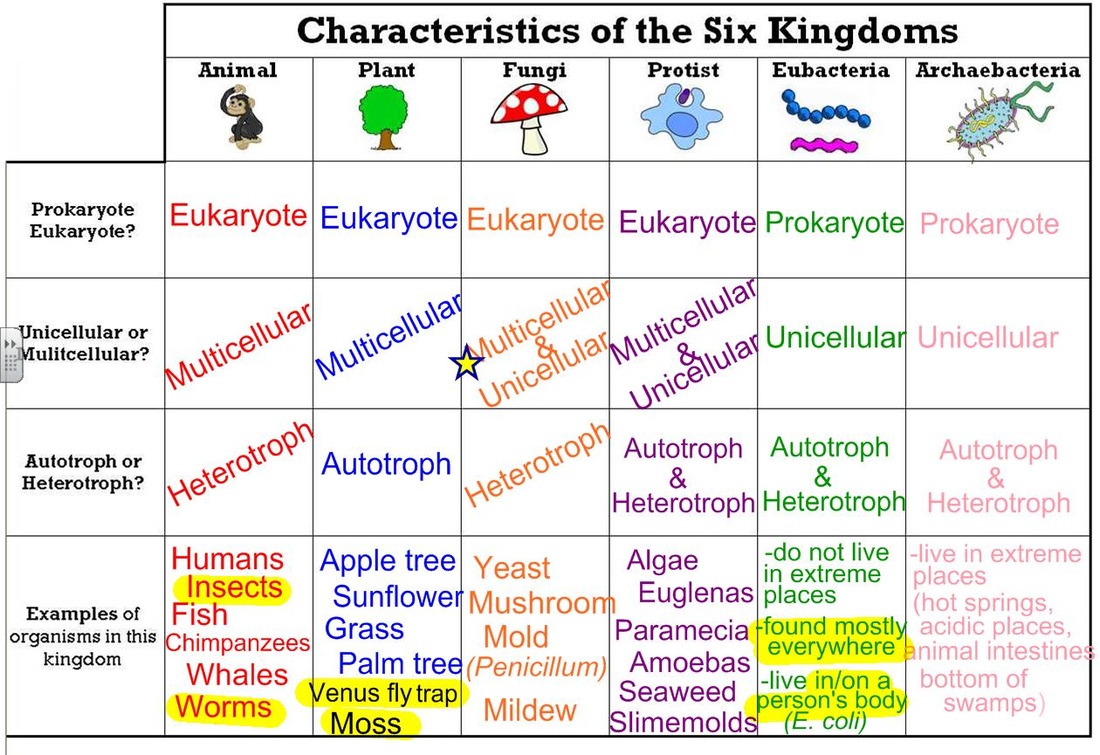
Classification of Organisms Rumney Marsh Academy Science Revere
:max_bytes(150000):strip_icc()/six-kingdoms-of-life-373414-Final1-5c538e2446e0fb00013faa3c.png)
The 6 Biological Kingdoms

6 Kingdoms Of Life Chart
6 Kingdoms Of Life Chart
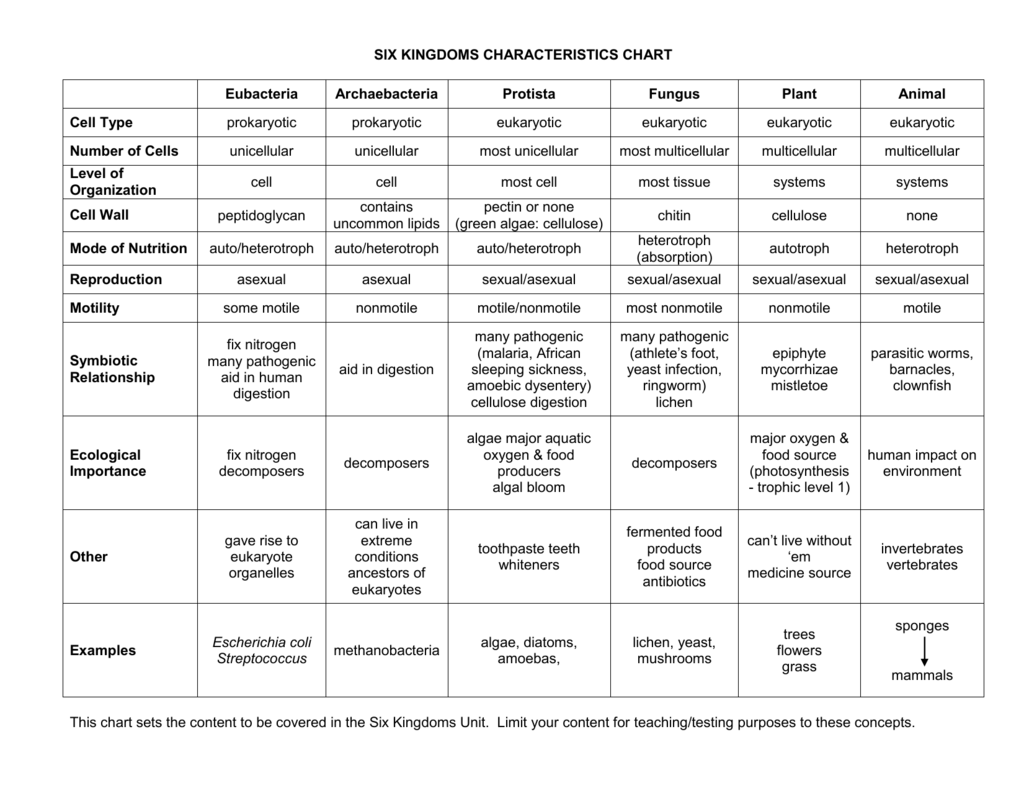
SIX KINGDOMS CHARACTERISTICS CHART
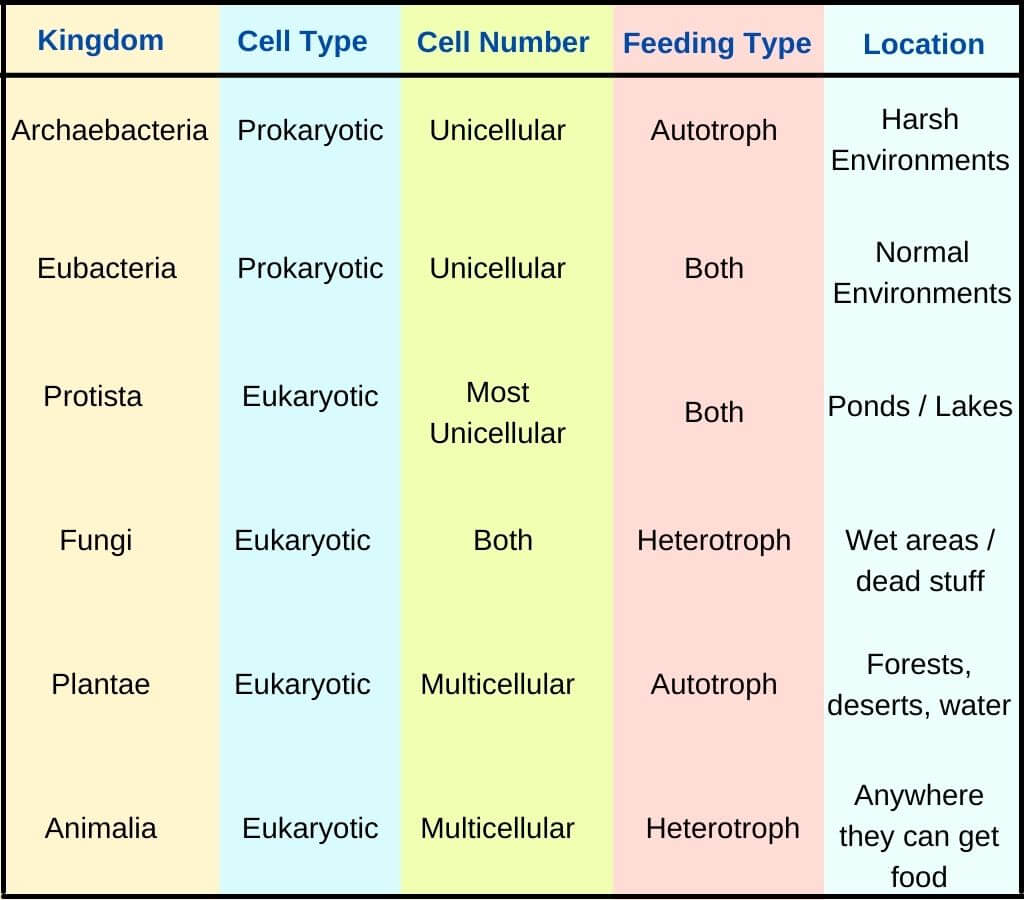
A Simple Explanation of the 6 Kingdoms of Life
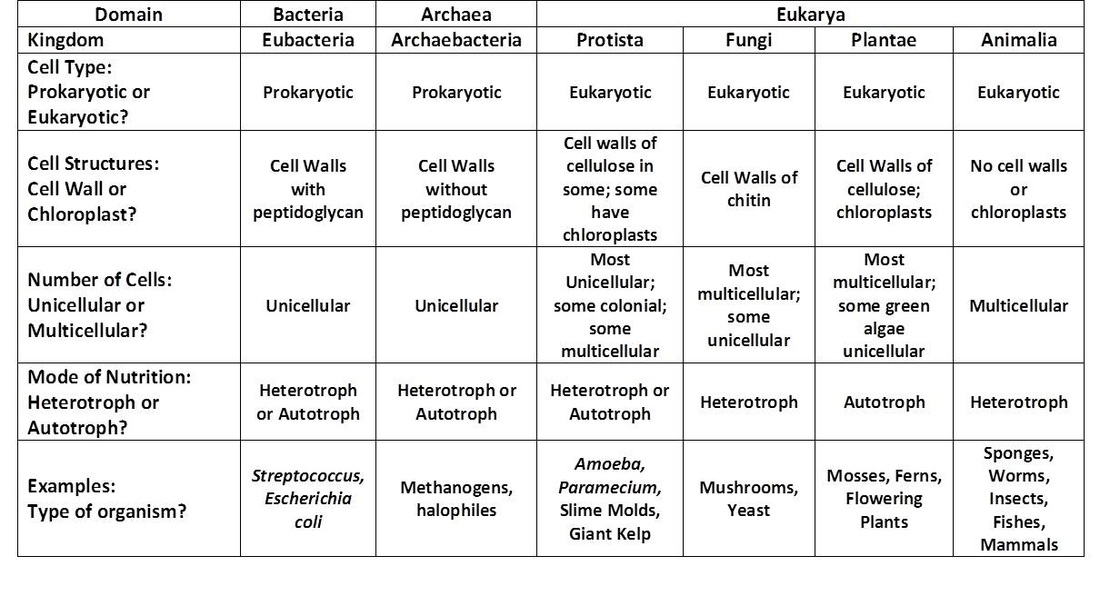
6 Kingdoms Of Life Chart
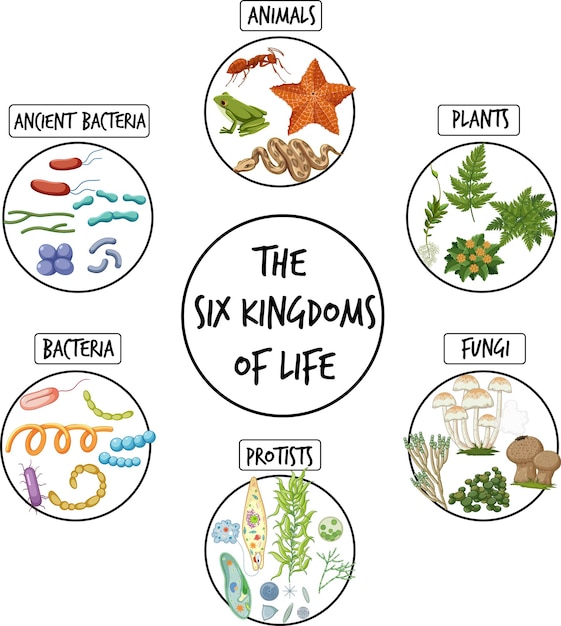
Free Vector Diagram showing six kingdoms of life
A Species Is The Smallest, Most Specific Group Of Organisms.
Archaebacteria, Eubacteria, Fungi, Protista, Plants And Animals.
Students Shared 4658 Documents In This Course.
Web All Organisms Are Classified Into Six Different Kingdoms—Archaebacteria, Eubacteria, Protists, Fungi, Plants And Animals.
Related Post: