Chart Of The Spine
Chart Of The Spine - Before discussing the confusing aspects of terminology used to describe back problems, it is important to first review the overall terminology used to describe the normal anatomy of the spine. The cervical, the thoracic, the lumbar, and the sacral. Web lumbar spine anatomy and pain. The spinal cord begins at the base of the brain and extends into the pelvis. Web the spine is divided into four regions which contain vertebrae: The brain by the bones of the skull, and the spinal. The thoracic is the center portion of the spine, consisting of 12 vertebrae. Both the brain and the spinal cord are protected by bone: It comprises 33 small bones called vertebrae, which remain separated by cartilaginous intervertebral discs. The lower back comprises the lumbar spine, which is formed by vertebral bones, intervertebral discs, nerves, muscles, ligaments, and blood vessels. Methods this retrospective study was based on a consecutive series of 53 cervical tdr patients who underwent removal or revision surgery. Spinal nerves are an integral part of the peripheral nervous system (pns). Web the spine (vertebral column) of a typical adult is composed of 32 vertebrae divided into five sections. It consists of various groups of vertebrae. It is part of the axial skeleton and extends from the base of the skull to the tip of the coccyx. Web the vertebral column (spine or backbone) is a curved structure composed of bony vertebrae that are interconnected by cartilaginous intervertebral discs. Web cervical, thoracic, lumbar and sacral spinal anatomy. Web all of these bones and sections are important to the spine’s ability to function properly. Each vertebra has specific anatomical features and functions. Web the central nervous system is made up of the brain and spinal cord: The brain controls how we think, learn, move, and feel. Methods this retrospective study was based on a consecutive series of 53 cervical tdr patients who underwent removal or revision surgery. Chart review was conducted to. There are a total of 31 symmetrical pairs of spinal nerves that emerge from different segments of the spine. The vertebral column is fascinating. Both the brain and the spinal cord are protected by bone: Web cervical, thoracic, lumbar and sacral spinal anatomy. The brain by the bones of the skull, and the spinal. The vertebral column, also known as the spinal column, is a flexible column that encloses the spinal cord and also supports the head. It connects different parts of your musculoskeletal. Throughout the spine, intervertebral discs made of. Spinal nerves are the major nerves of the body. Methods this retrospective study was based on a consecutive series of 53 cervical tdr patients who underwent removal or revision surgery. And bo bichette were in the final year. Web cervical, thoracic, lumbar and sacral spinal anatomy. Web [previously dismissed case: The spine can be divided into five regions: Web all of these bones and sections are important to the spine’s ability to function properly. Web cervical, thoracic, lumbar and sacral spinal anatomy. Chart review was conducted to. Spinal nerves are an integral part of the peripheral nervous system (pns). The spine can be divided into five regions: It helps with stability, structure, and movement. Anterior view, posterior view, lateral view , 3d rendering. With 66 games remaining, here’s where toronto stands and what comes next: It comprises 33 small bones called vertebrae, which remain separated by cartilaginous intervertebral discs. The cervical, the thoracic, the lumbar, and the sacral. Web below is a chart that outlines the main functions of each of the spine nerve roots: Each vertebra has specific anatomical features and functions. Web the spine (vertebral column) of a typical adult is composed of. The brain by the bones of the skull, and the spinal. The cervical, the thoracic, the lumbar, and the sacral. Web cervical, thoracic, lumbar and sacral spinal anatomy. Compared with other spine vertebrae, your lumbar vertebrae are. Web purpose to describe modes of failure of cervical tdr, their related treatment strategies, and to describe a management strategy for the treatment. The cervical spine, the thoracic spine, and the lumbar spine. It is part of the axial skeleton and extends from the base of the skull to the tip of the coccyx. Web the spine is divided into four regions which contain vertebrae: The vertebral column is fascinating to study! Your spine helps you sit, stand, walk, twist and bend. Prior to adolescence, the spine consists of 33 bones because the sacrum's five bones and the coccyx's four do not fuse together until. Each vertebra has specific anatomical features and functions. With 66 games remaining, here’s where toronto stands and what comes next: Web all of these bones and sections are important to the spine’s ability to function properly. Your. It connects different parts of your musculoskeletal system, which includes your body’s bones and muscles. The brain controls how we think, learn, move, and feel. Web [previously dismissed case: Pick a lane for 2025. The cervical spine, the thoracic spine, and the lumbar spine. Web all of these bones and sections are important to the spine’s ability to function properly. There are four major regions of the spine: Web purpose to describe modes of failure of cervical tdr, their related treatment strategies, and to describe a management strategy for the treatment of failed cervical tdr. Both the brain and the spinal cord are protected by bone: The lower back comprises the lumbar spine, which is formed by vertebral bones, intervertebral discs, nerves, muscles, ligaments, and blood vessels. Chart review was conducted to. Web the spine, or backbone, is a bony structure that supports your body. The lower portion of the spine is called the lumbar spine. The brain controls how we think, learn, move, and feel. Vertebrates have a backbone or a spinal column. Web lumbar spine anatomy and pain. The vertebral column, also known as the spinal column, is a flexible column that encloses the spinal cord and also supports the head. And bo bichette were in the final year. Web the spine is divided into four regions which contain vertebrae: Each vertebra has specific anatomical features and functions. The cervical, the thoracic, the lumbar, and the sacral.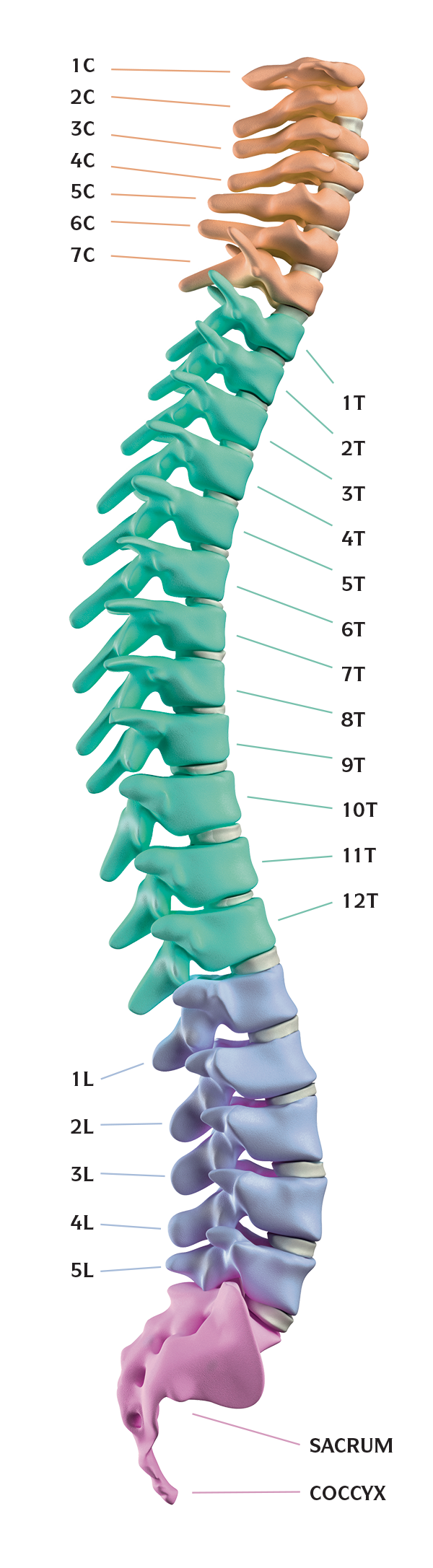
Spinal Nerve Chart Neurology Abba Humananatomy

The Spine Frequencies Frequencies for Your Life Heal Earth With Love

Spinal Anatomy Spinal Regions Bones and Discs Vertebrae Spinal Cord

Anatomy of the Spine Poster Laminated Spinal Anatomical Chart 18" x

The Spinal Frequencies Chart, Chiropractor Spinal Function Vertical

Spine Encyclopedia Anatomy Of The Spine And Spine Ailments
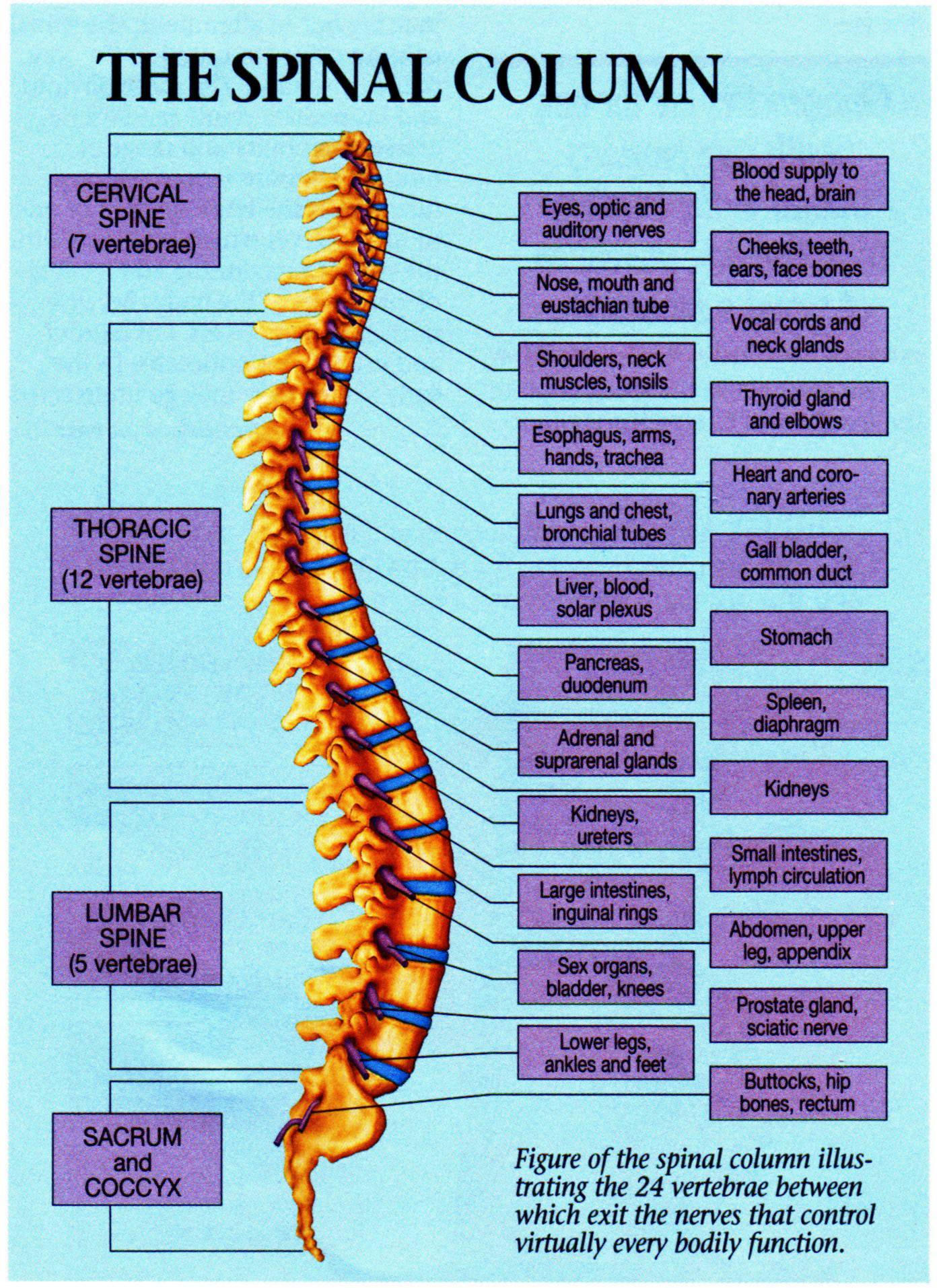
spinal organ chart Premier Chiropractic Centre
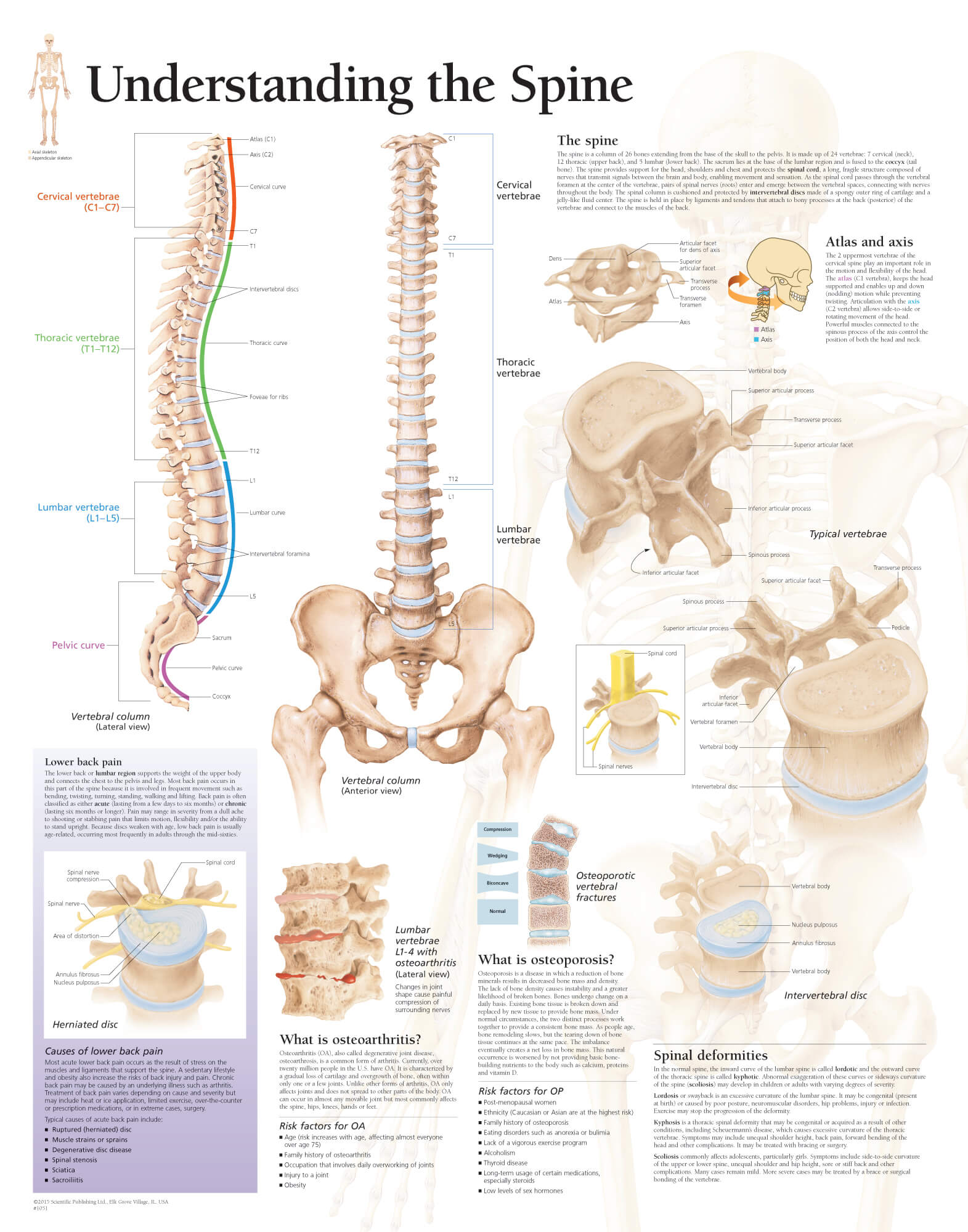
Understanding the Spine Scientific Publishing
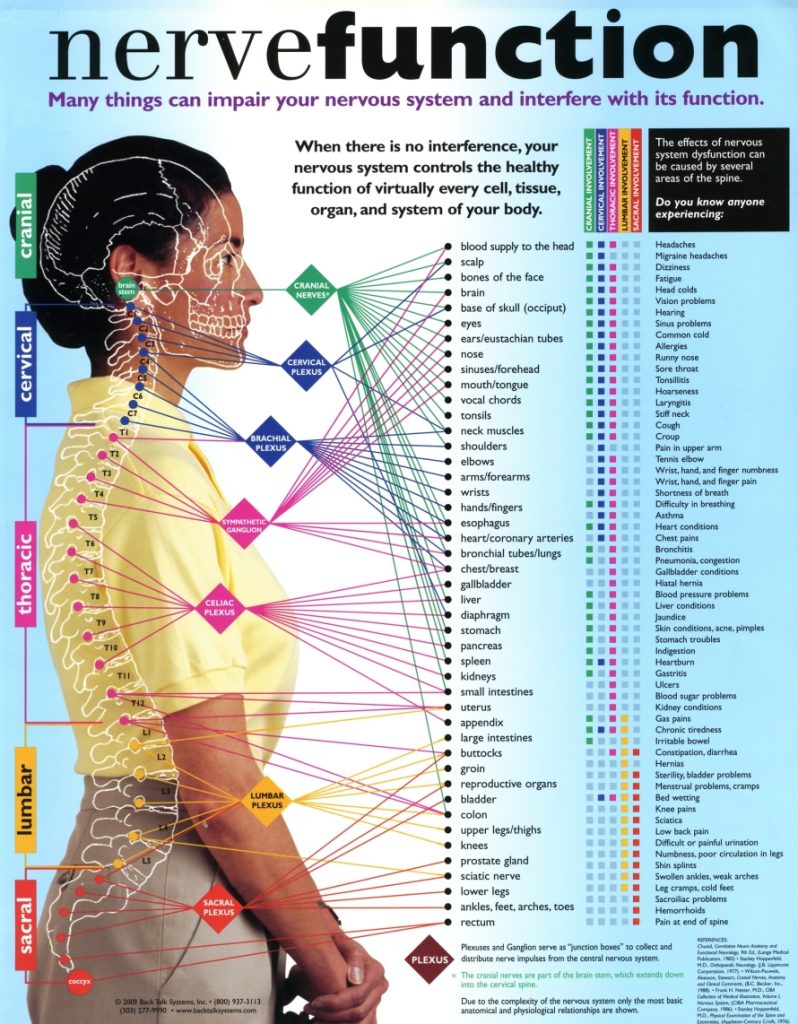
Interactive Parts of the Spine & Vertebrae Sections Spinal Cord Levels
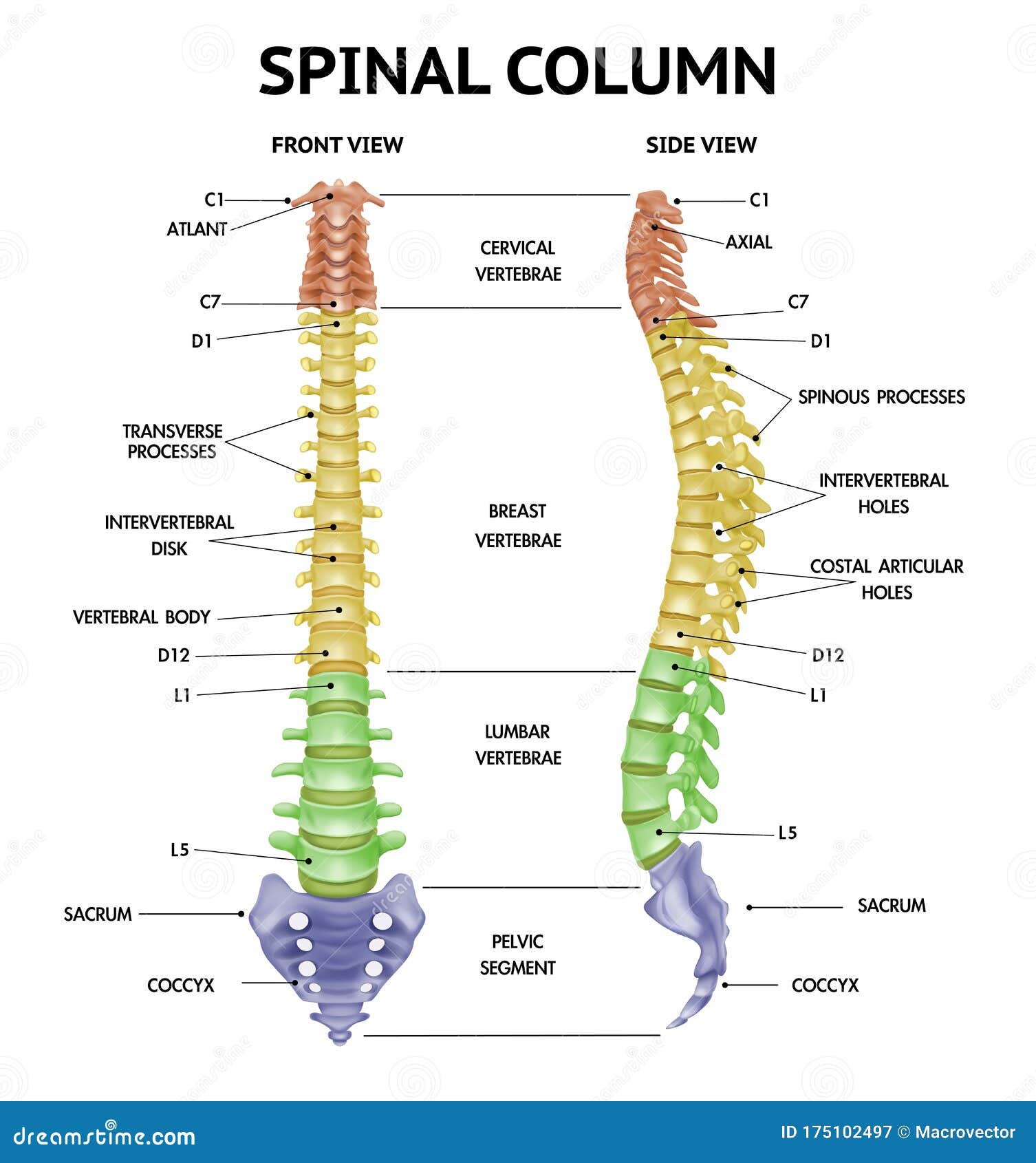
Spine Anatomy Realistic Chart Stock Vector Illustration of health
Throughout The Spine, Intervertebral Discs Made Of.
Web The Spine Itself Has Three Main Segments:
Each Of The 33 Vertebrae That Comprise Our Vertebral Column Function Together In Perfect Tandem, While The Muscles That Connect Along Its Length Assist With Many Movements Of The Human Body.
The Cervical Is The Upper Part Of The Spine, Made Up Of Seven Vertebrae (Bones).
Related Post: