Chart Of The Water Cycle
Chart Of The Water Cycle - Precipitation is a vital component of how water moves through earth’s water cycle, connecting the ocean, land, and atmosphere. Human water use, land use, and climate change all impact the water cycle. Web our newest diagram, released in 2022, depicts the global water cycle, as well as how human water use affects where water is stored, how it moves, and how clean it is. It starts with evaporation from bodies of water, condensation into clouds, and precipitation back to the earth. Web the water cycle describes how water continuously moves between earth’s surface and the atmosphere. A water cycle diagram shows the various stages of the water cycle to visually represent how water moves through the atmosphere and surface of the earth. Web this is a modern, updated version of the widely used diagram featured on the usgs water science school. The water cycle describes where water is on earth and how it moves. The total amount of water remains essentially constant. Water vapor—a gas—is found in earth’s atmosphere. Human water use, land use, and climate change all impact the water cycle. The water cycle describes where water is on earth and how it moves. The total amount of water remains essentially constant. Web the water cycle impacts ecosystems, economies, and our daily lives. Web water spring the water cycle groundwater storage streamflow evaporation sublimation plant uptake fog drip deposition flora and fauna dew seepage volcanic steam vents ocean currents sun. This movement occurs by different physical processes. The diagram is available as a downloadable. A water cycle diagram shows the various stages of the water cycle to visually represent how water moves through the atmosphere and surface of the earth. Web interactive water cycle diagram for kids (advanced) the water cycle describes how earth's water is not only always changing forms, between liquid (rain), solid (ice), and gas (vapor), but also moving on, above, and in the earth. Notably, this new water cycle diagram depicts humans and major categories of human water use as key components of the water cycle, in addition to the key pools and fluxes of the hydrologic cycle. The sun warms the ocean surface and other surface water, causing liquid water to evaporate and ice to sublime—turn directly from a solid to a gas. Solid ice is found in glaciers, snow, and at the north and south poles. Web the water cycle, or hydrologic cycle, is driven by the sun’s energy. Water moves into the atmosphere from oceans,. The direction of movement of water between reservoirs tends towards upwards movement through evapotranspiration and downward movement through gravity. The diagram also shows how human water use impacts where water is stored and how it moves. Solid ice is found in glaciers, snow, and at the north and south poles. Of the many processes involved in the water cycle, the. Web this is a modern, updated version of the widely used diagram featured on the usgs water science school. Notably, this new water cycle diagram depicts humans and major categories of human water use as key components of the water cycle, in addition to the key pools and fluxes of the hydrologic cycle. Web the water cycle describes how water. The water cycle describes where water is on earth and how it moves. Liquid water is found in oceans, rivers, lakes—and even underground. The resources in this collection help teachers guide their students beyond the classic water cycle diagram and through the complex social and. Web the global computer outage affecting airports, banks and other businesses on friday appears to. The diagram is available as a downloadable. The diagram of the water cycle is useful for both class 9 and 10. What is a water cycle diagram? Web this is a modern, updated version of the widely used diagram featured on the usgs water science school. It shows how human water use affects where water is stored, how it moves,. This movement occurs by different physical processes. Web the water cycle is the path that all water follows as it moves around earth in different states. It starts with evaporation from bodies of water, condensation into clouds, and precipitation back to the earth. Water moves into the atmosphere from oceans, lakes, and streams by evaporation. The diagram is available for. Lesson plan based on the usgs water cycle diagram. It starts with evaporation from bodies of water, condensation into clouds, and precipitation back to the earth. Notably, this new water cycle diagram depicts humans and major categories of human water use as key components of the water cycle, in addition to the key pools and fluxes of the hydrologic cycle.. The resources in this collection help teachers guide their students beyond the classic water cycle diagram and through the complex social and. It shows how human water use affects where water is stored, how it moves, and how clean it is. Web the global computer outage affecting airports, banks and other businesses on friday appears to stem at least partly. The sun acts as the primary source of energy that powers the water cycle on earth. Web the water cycle is the path that all water follows as it moves around earth in different states. Solid ice is found in glaciers, snow, and at the north and south poles. The direction of movement of water between reservoirs tends towards upwards. Knowing where it rains, how much it rains and the character of the falling rain, snow or hail allows scientists to better understand precipitation’s impact on streams, rivers, surface. It starts with evaporation from bodies of water, condensation into clouds, and precipitation back to the earth. Web water spring the water cycle groundwater storage streamflow evaporation sublimation plant uptake fog. Solid ice is found in glaciers, snow, and at the north and south poles. Web the water cycle impacts ecosystems, economies, and our daily lives. Water vapor—a gas—is found in earth’s atmosphere. Web the seven steps of the water cycle are evaporation, condensation, precipitation, infiltration, runoff, transpiration, and storage. Web this is a modern, updated version of the widely used diagram featured on the usgs water science school. By water science school october 2, 2022. Web a detailed diagram depicting the global water cycle. What is a water cycle diagram? Liquid water is found in oceans, rivers, lakes—and even underground. Water moves into the atmosphere from oceans, lakes, and streams by evaporation. Web at its most basic, the water cycle is how water continuously moves from the ground to the atmosphere and back again. The resources in this collection help teachers guide their students beyond the classic water cycle diagram and through the complex social and. This movement occurs by different physical processes. Our interactive diagram allows you to mouse around the parts of the water cycle and view explanations, pictures, and more online. The sun warms the ocean surface and other surface water, causing liquid water to evaporate and ice to sublime—turn directly from a solid to a gas. The water cycle describes where water is on earth and how it moves.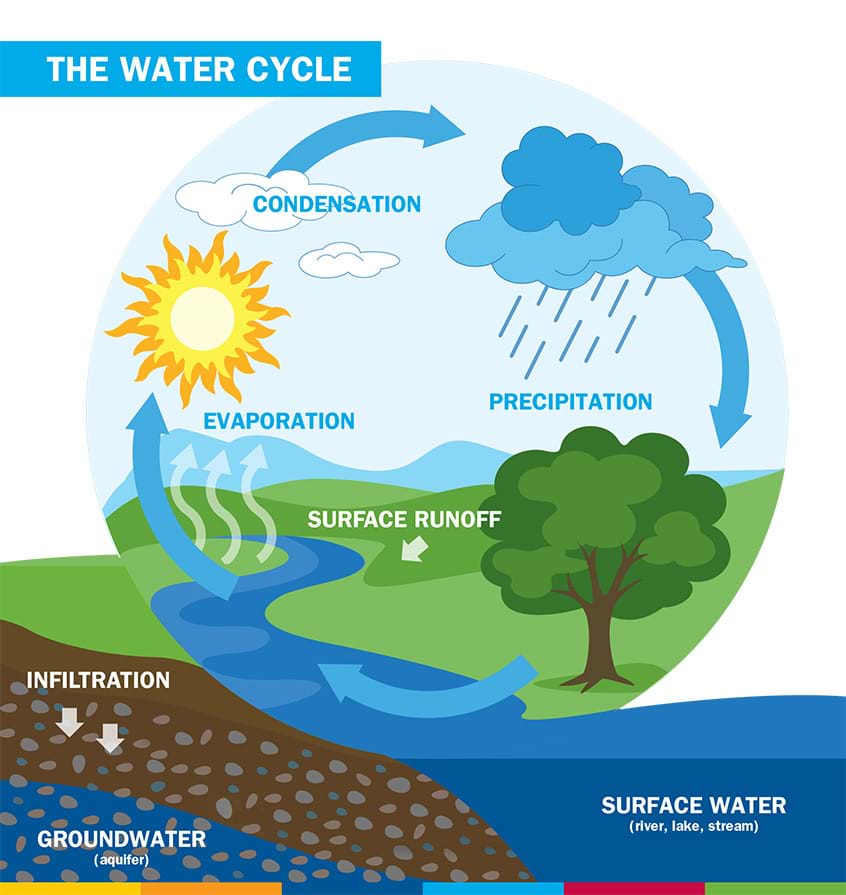
Water Cycle Unit TeachEngineering

The Changing Water Cycle Metlink Weather & Climate Teaching Resources
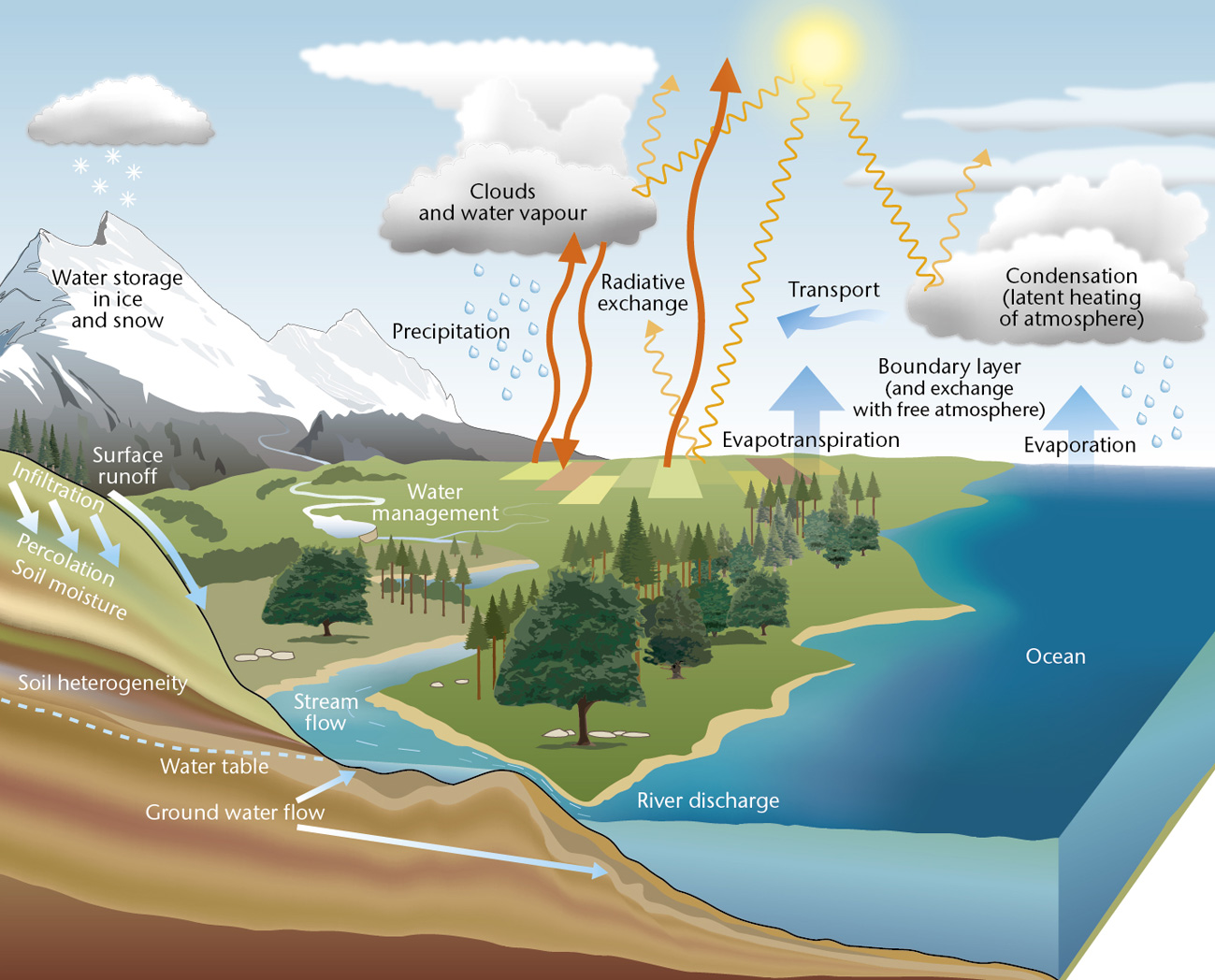
Water cycle Met Office
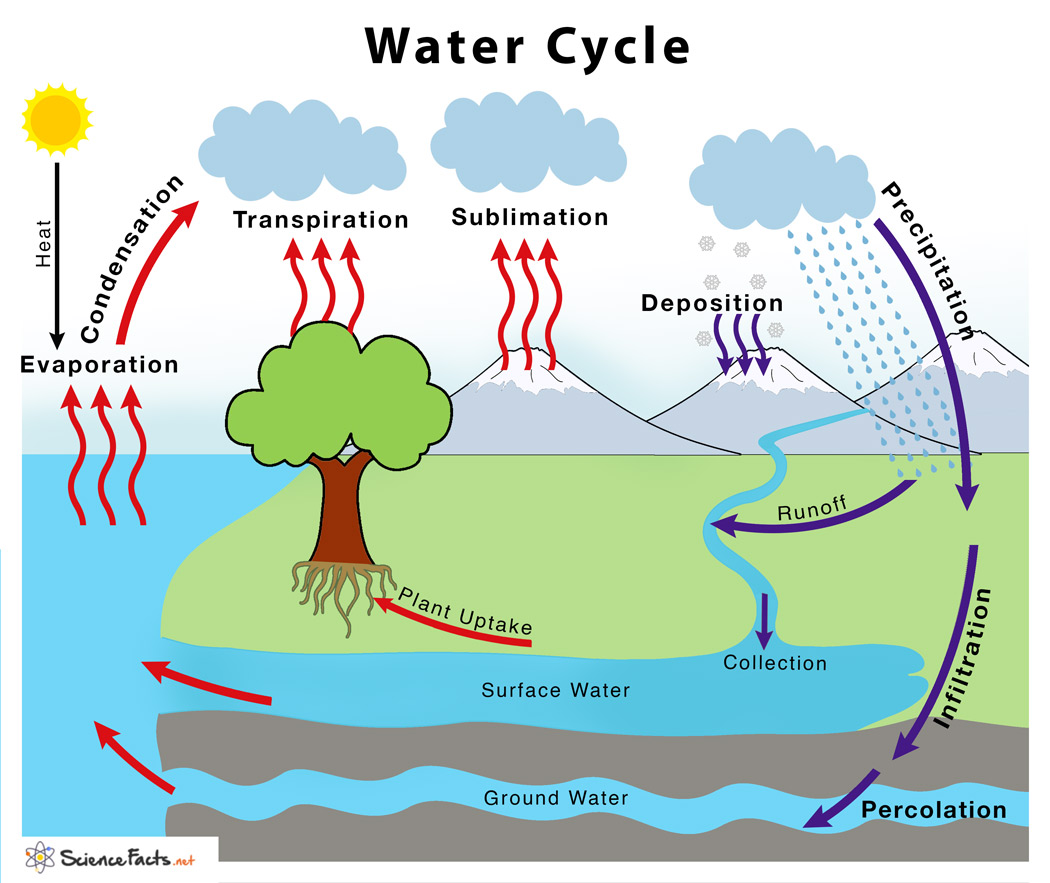
Get Download The Diagram Of Water Cycle Background Catalogue of Diagrams
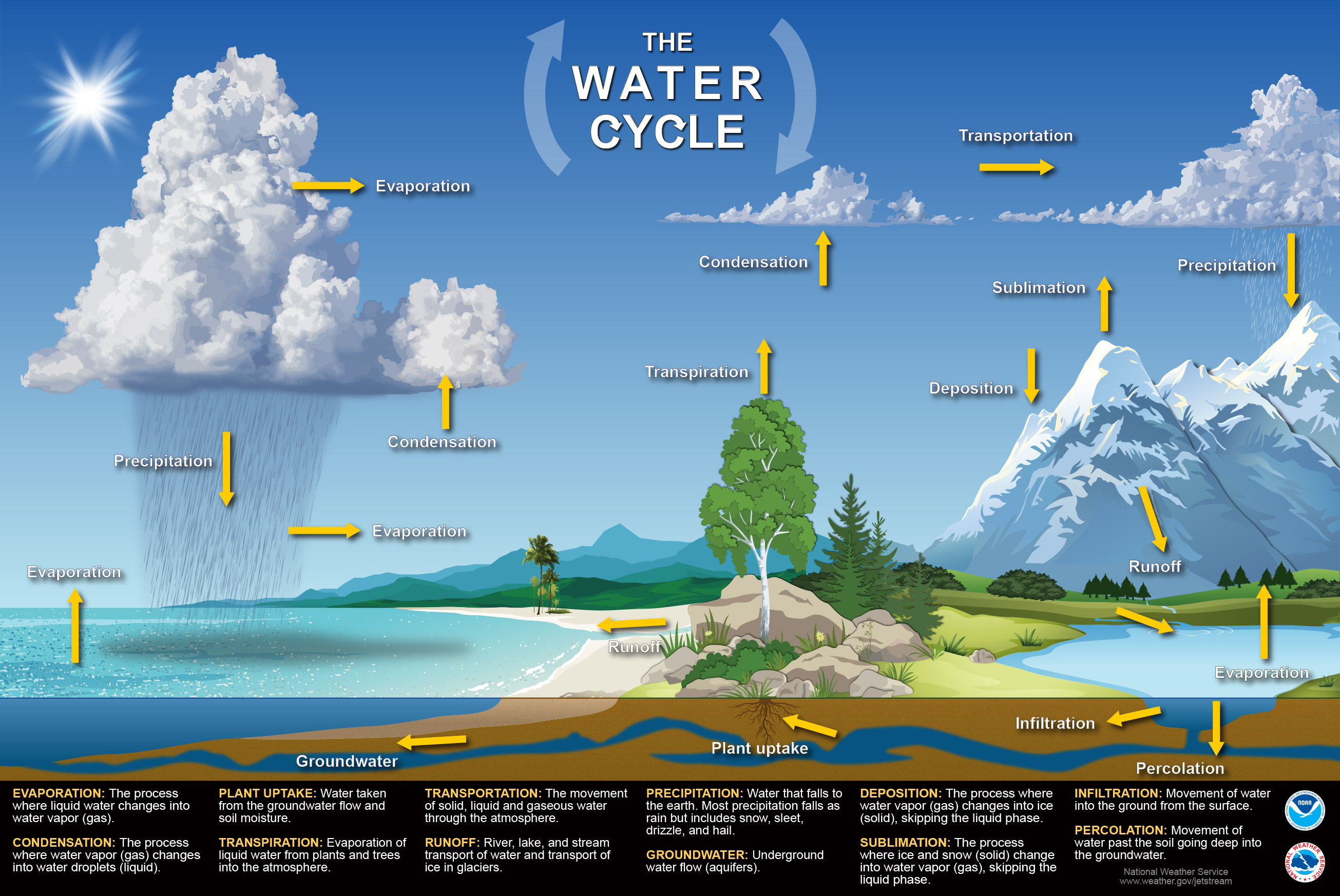
Water Cycle U.S. Climate Resilience Toolkit
![[DIAGRAM] Diagrams Of The Water Cycle](http://www.rahmahmuslimhomeschool.co.uk/index/wp-content/uploads/2018/07/The-water-cycle-01-01.jpg)
[DIAGRAM] Diagrams Of The Water Cycle
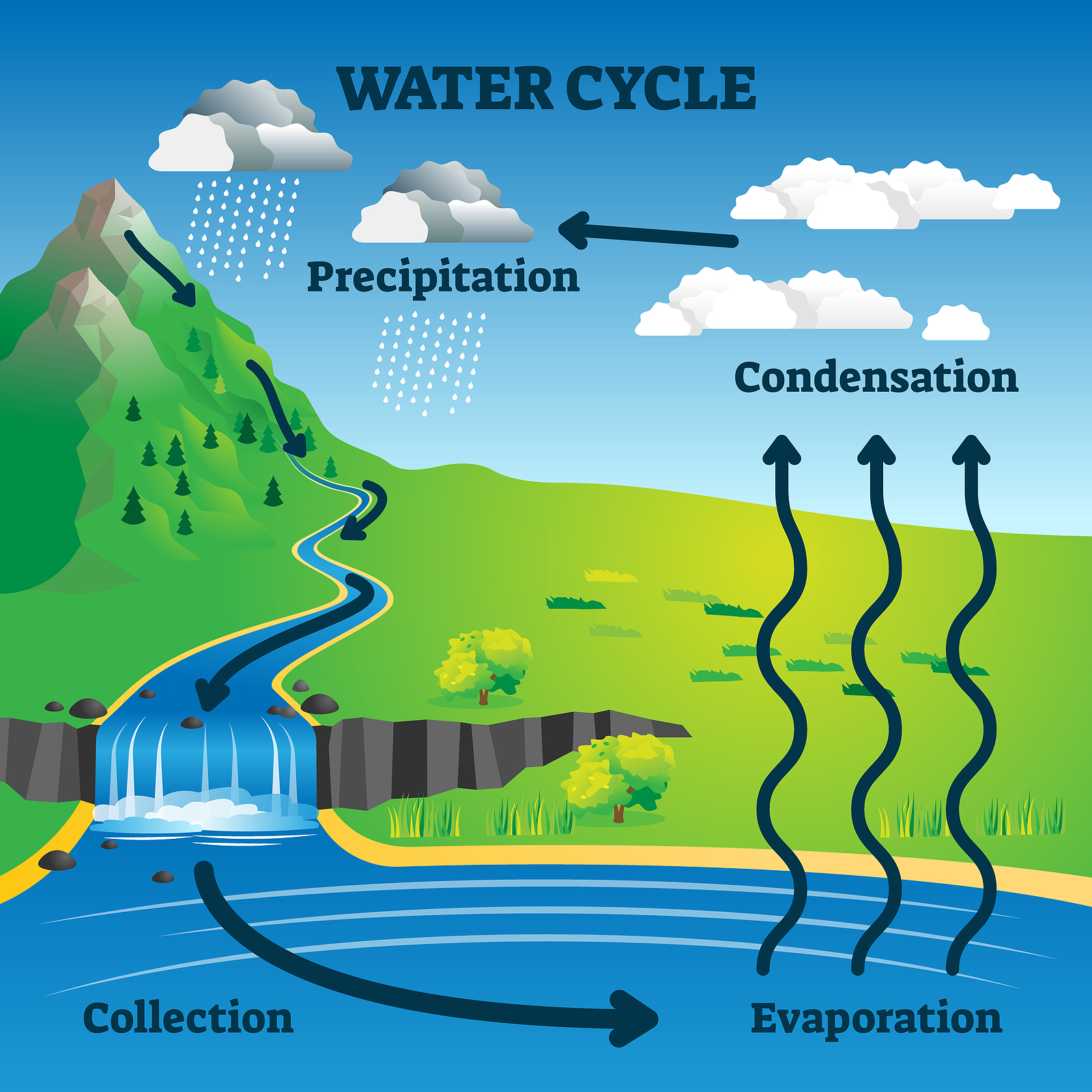
The Water CycleDemos for each stage of the hydrologic cycle
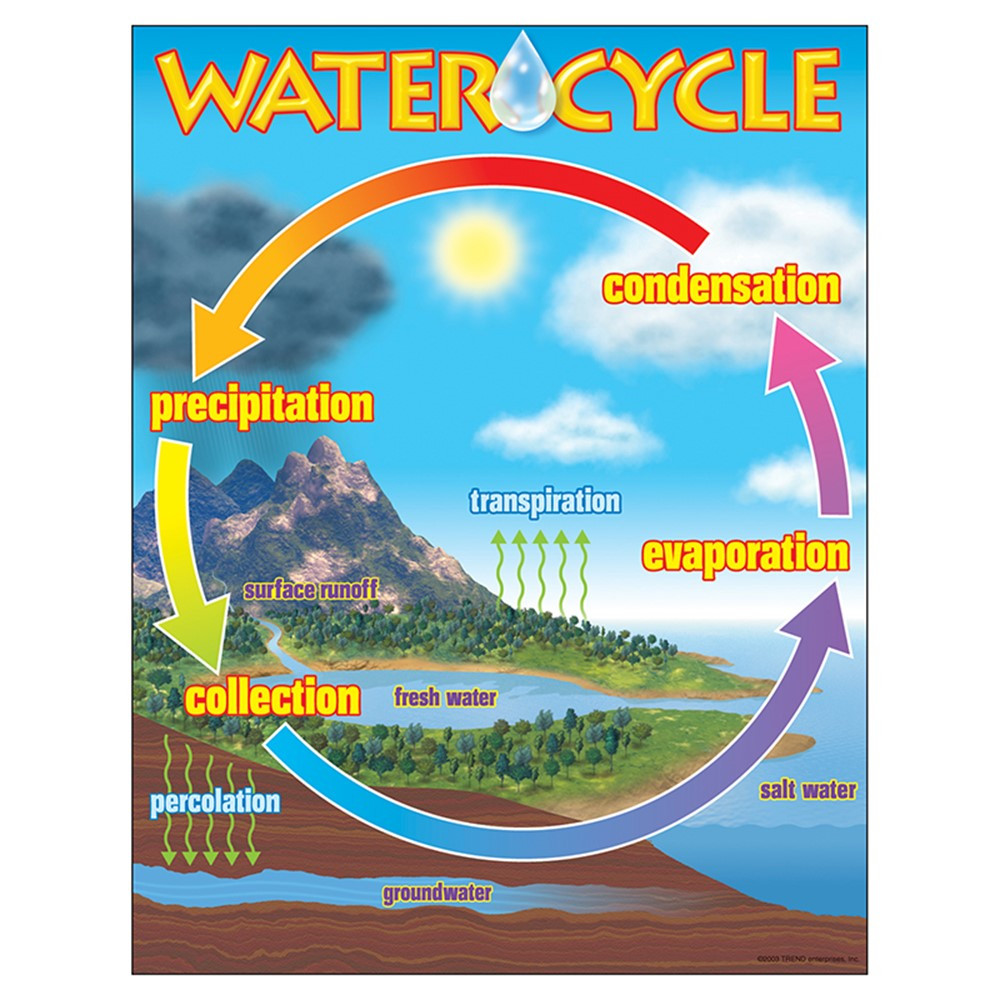
The Water Cycle Learning Chart, 17" x 22" T38119 Trend Enterprises
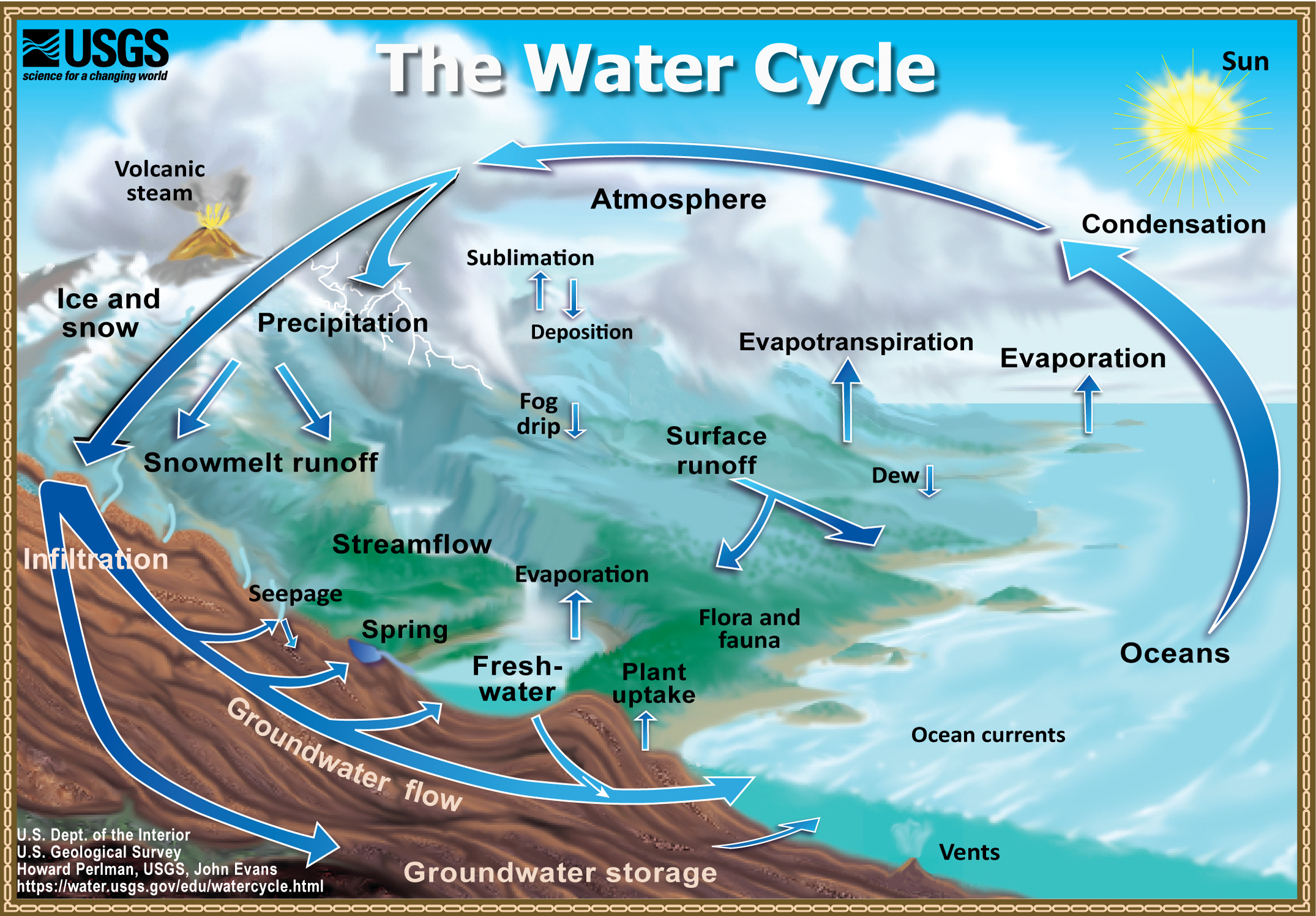
The Water Cycle summary, USGS Water Science School
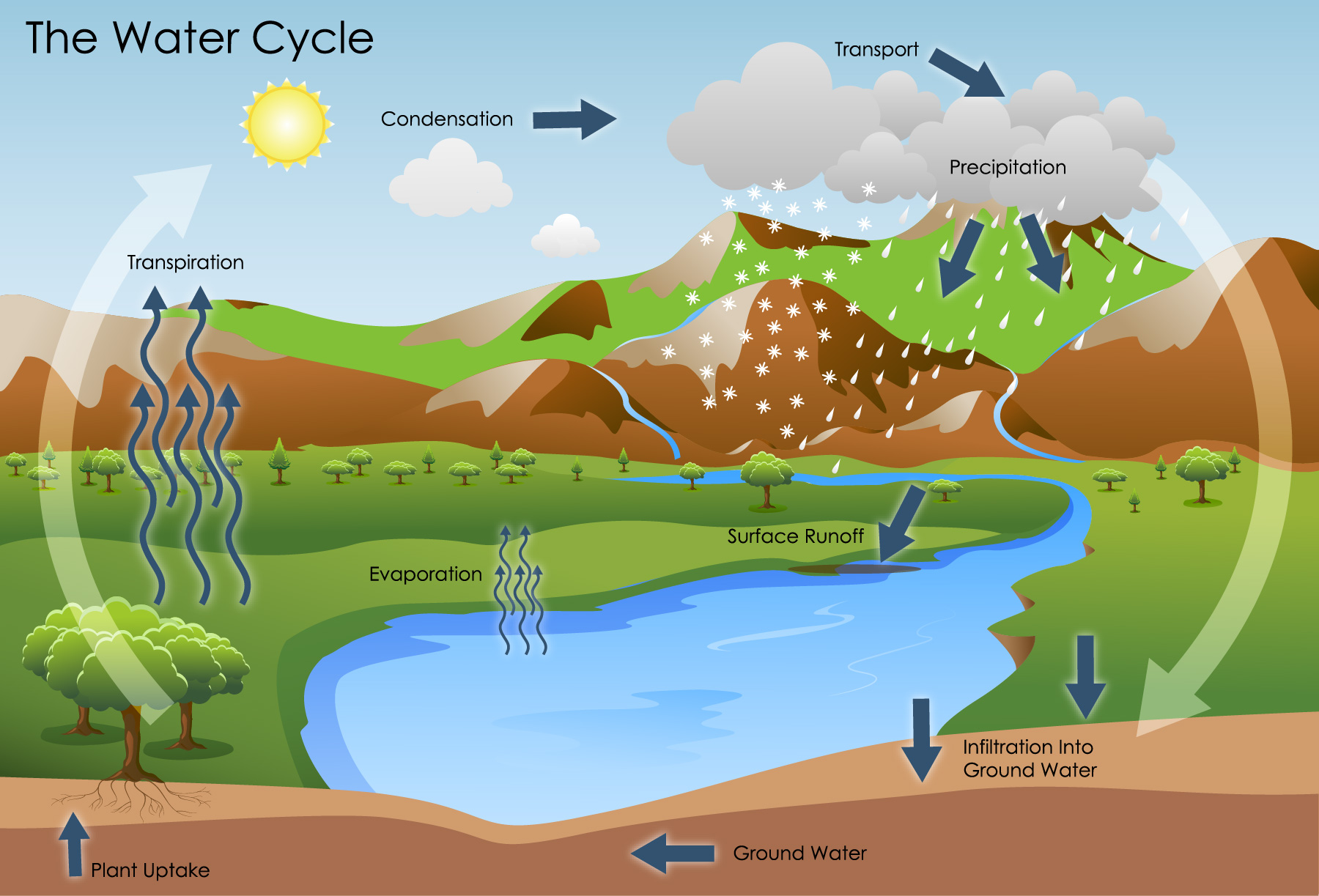
Chart Of Water Cycle
Even Before They Have Had Any Instruction About The Water Cycle, Students Have Likely Had Real Life Experiences With Where Water Is Stored (Generally Called “Pools”) And How It Moves Through The Environment (Generally Called “Fluxes”).
Web Our Newest Diagram, Released In 2022, Depicts The Global Water Cycle, As Well As How Human Water Use Affects Where Water Is Stored, How It Moves, And How Clean It Is.
Web The Water Cycle Is The Path That All Water Follows As It Moves Around Earth In Different States.
Web Interactive Water Cycle Diagram For Kids (Intermediate) The Water Cycle Describes How Earth's Water Is Not Only Always Changing Forms, Between Liquid (Rain), Solid (Ice), And Gas (Vapor), But Also Moving On, Above, And In The Earth.
Related Post: