Cheese Melting Point Chart
Cheese Melting Point Chart - Whether grilled, fried, roasted, broiled or baked, they only soften and never lose their shape or liquefy. Web if you're looking for melt, you want cheese with a ph right between neutral and acidic—between 5.0 and 5.5 on the scale. Stir frequently while melting to prevent clumping or sticking to the pan. Web at what temperature does cheese melt? However, most such cheeses can withstand temperatures of up to 400 degrees fahrenheit without melting or breaking down. Web when it comes to melting cheese in the oven, the temperature at which you should do so can vary depending on the type of cheese and the dish you are making. Even if a cheese melts well, some are better suited to specific recipes than others. This is related to the calcium bridges. Both mozzarella and cheddar cheese fall into that range, which is one of the reasons that both cheeses melt so well. Certain cheeses melt more readily or to a greater degree than others, depending on their respective fat contents. Web we spoke with adam goddu, the manager of murray's cheese at nyc's grand central station, to see which cheeses melt the best. Web what is the melting point of high temp cheese? Web when it comes to melting cheese in the oven, the temperature at which you should do so can vary depending on the type of cheese and the dish you are making. These cheeses come in a variety of flavors, each contributing to the dish’s overall taste. How well a cheese will melt and stretch is dependent on its chemistry. Web the melting point of cheddar cheese is influenced by its moisture content, fat content, and the acidity level. Melting point of classic cheddar cheese and others: Take a look at the temperatures various cheese melts at with our cheese melting point table: Each cheese wants a different temperature sidewalk, but here’s the general gist: However, most such cheeses can withstand temperatures of up to 400 degrees fahrenheit without melting or breaking down. Web discover the world of melting cheeses, from mozzarella to cheddar. Web when it comes to melting cheese in the oven, the temperature at which you should do so can vary depending on the type of cheese and the dish you are making. Web want to reliably tell whether the cheese you're buying is gonna dominate the melting game or. Soft, moist cheeses, like mozzarella—around 130° f. This elongates the curd and aligns all of the proteins in the same direction. Melting point of classic cheddar cheese and others: Web in order to consistently get perfectly melted cheese, your cheese of choice should have a consistent balance of water and fat within. Both mozzarella and cheddar cheese fall into that. Web the melting point of cheddar cheese is influenced by its moisture content, fat content, and the acidity level. Web when it comes to melting cheese in the oven, the temperature at which you should do so can vary depending on the type of cheese and the dish you are making. Soft, moist cheeses, like mozzarella—around 130° f. Generally, a. In the article “the rules of melting cheese”, fine cooking points out the importance of melting the cheese slowly and gently to yield the gooiest results. Web at what temperature does cheese melt? Firm, dry cheeses, like pecorino romano—around 180° f. Web when it comes to melting cheese in the oven, the temperature at which you should do so can. The melting point of such cheese varies depending on the type and brand. At too high a ph (ph > 6), too much calcium is present as bound calcium phosphate and the protein is too tightly bound to melt. Different types of cheese have different melting points, with softer cheeses such as brie and camembert melting at a lower temperature. Each cheese wants a different temperature sidewalk, but here’s the general gist: Web high temperature cheeses are cheeses that have such high melting points they don't melt at cooking temperatures. How well a cheese will melt and stretch is dependent on its chemistry. Soft, moist cheeses, like mozzarella—around 130° f. Web discover the world of melting cheeses, from mozzarella to. Generally, a good rule of thumb is to melt cheese at a moderate temperature of around 350°f to 375°f. However, most such cheeses can withstand temperatures of up to 400 degrees fahrenheit without melting or breaking down. Web when it comes to melting cheese in the oven, the temperature at which you should do so can vary depending on the. Whether grilled, fried, roasted, broiled or baked, they only soften and never lose their shape or liquefy. Soft, moist cheeses, like mozzarella—around 130° f. The will carefully heat up the curd and pull them out like taffy. Melting point of classic cheddar cheese and others: Web learn which types of cheese melt the best so you can better understand how. At too high a ph (ph > 6), too much calcium is present as bound calcium phosphate and the protein is too tightly bound to melt. These cheeses come in a variety of flavors, each contributing to the dish’s overall taste. Examples of such cheeses are mozzarella, havarti, or cheddar; Because they have high melting points, they only soften when. Web if you're looking for melt, you want cheese with a ph right between neutral and acidic—between 5.0 and 5.5 on the scale. Each cheese wants a different temperature sidewalk, but here’s the general gist: These cheeses come in a variety of flavors, each contributing to the dish’s overall taste. Web the melting point of cheddar cheese is influenced by. Generally, a good rule of thumb is to melt cheese at a moderate temperature of around 350°f to 375°f. Web the melting point of cheddar cheese is about 150°f (66°c). This elongates the curd and aligns all of the proteins in the same direction. How well a cheese will melt and stretch is dependent on its chemistry. Web we spoke with adam goddu, the manager of murray's cheese at nyc's grand central station, to see which cheeses melt the best. These cheeses come in a variety of flavors, each contributing to the dish’s overall taste. Web discover the world of melting cheeses, from mozzarella to cheddar. Different types of cheese have different melting points, with softer cheeses such as brie and camembert melting at a lower temperature than harder cheeses like cheddar and parmesan. Web in order to consistently get perfectly melted cheese, your cheese of choice should have a consistent balance of water and fat within. Web the melting point of cheese varies as they all have different melting points depending on their composition, moisture content, cooking method and size or shape of the cheese. Examples of such cheeses are mozzarella, havarti, or cheddar; Web cheeses in the middle will melt and stretch nicely. Soft, moist cheeses, like mozzarella—around 130° f. Certain cheeses melt more readily or to a greater degree than others, depending on their respective fat contents. The melting point of such cheese varies depending on the type and brand. However, most such cheeses can withstand temperatures of up to 400 degrees fahrenheit without melting or breaking down.
Grilled Cheese Academy Wisconsin cheese, Cheese recipes, Cooking kitchen
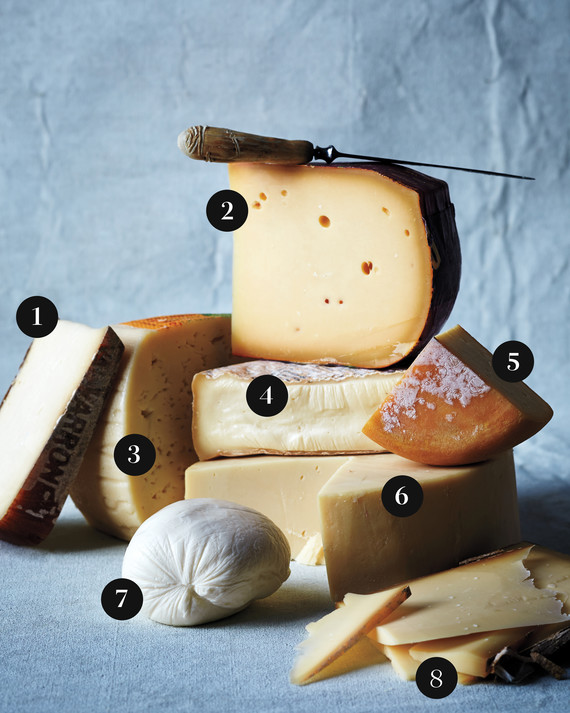
The Best Cheeses For Melting Martha Stewart

CheeseGraph2copy.jpg (JPEG Image, 1205 × 734 pixels) (With images
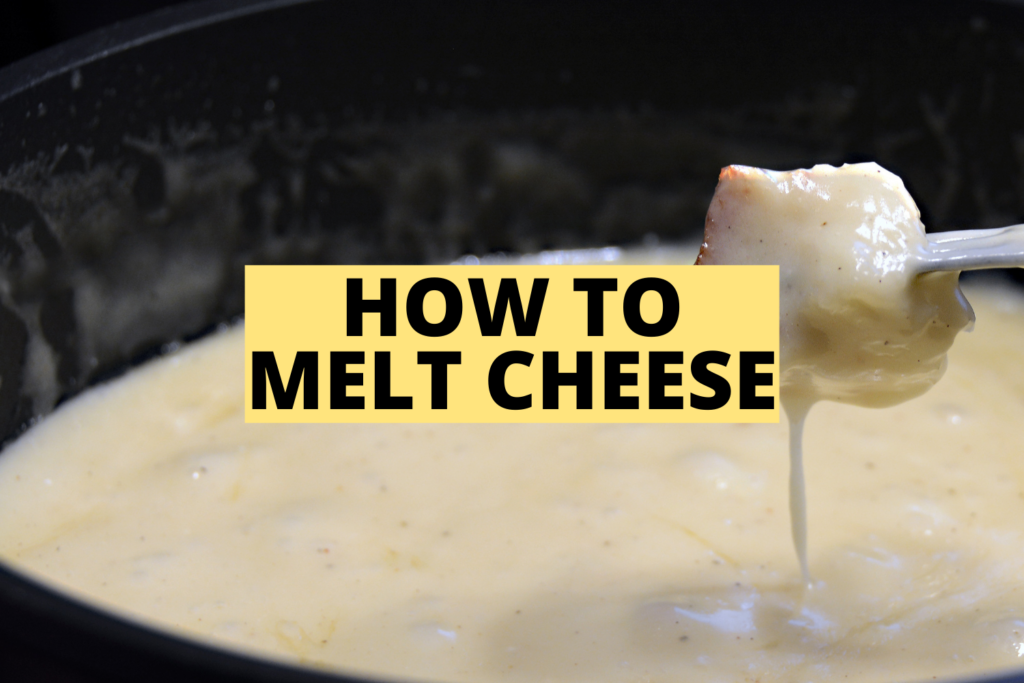
How to Melt Cheese (Without Burning It!) Liana's Kitchen

The Ultimate Cheese Chart is the cheese cheat sheet of your dreams
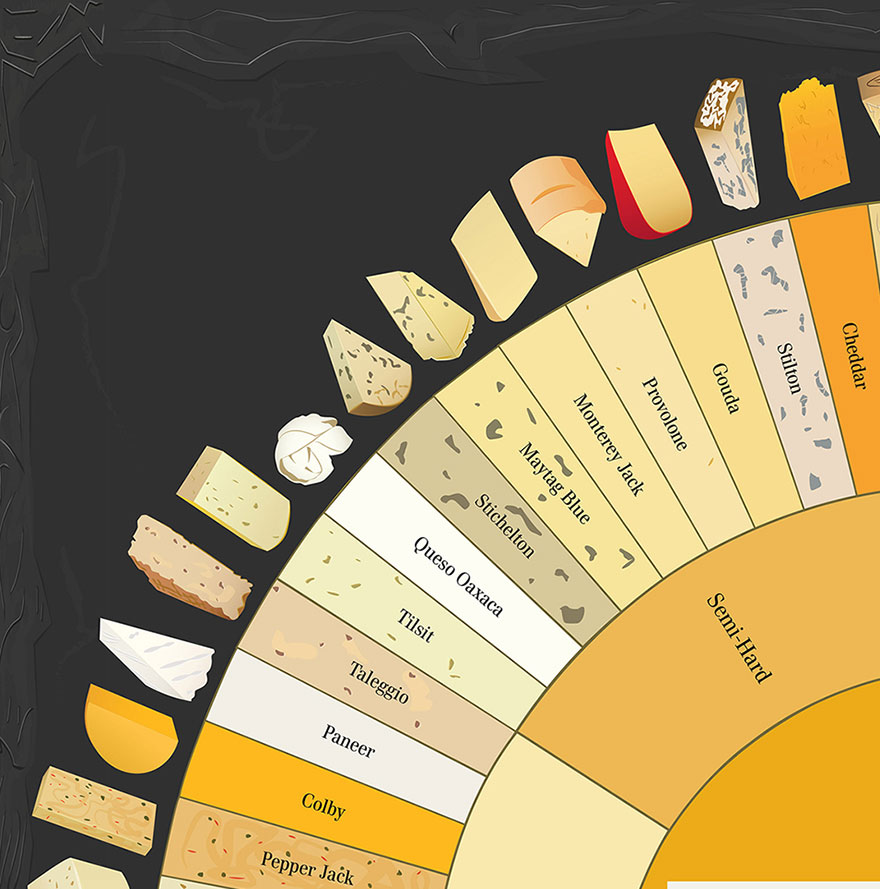
Our Cheese Wheel Chart Has 65 Delightful Cheeses From Around The World
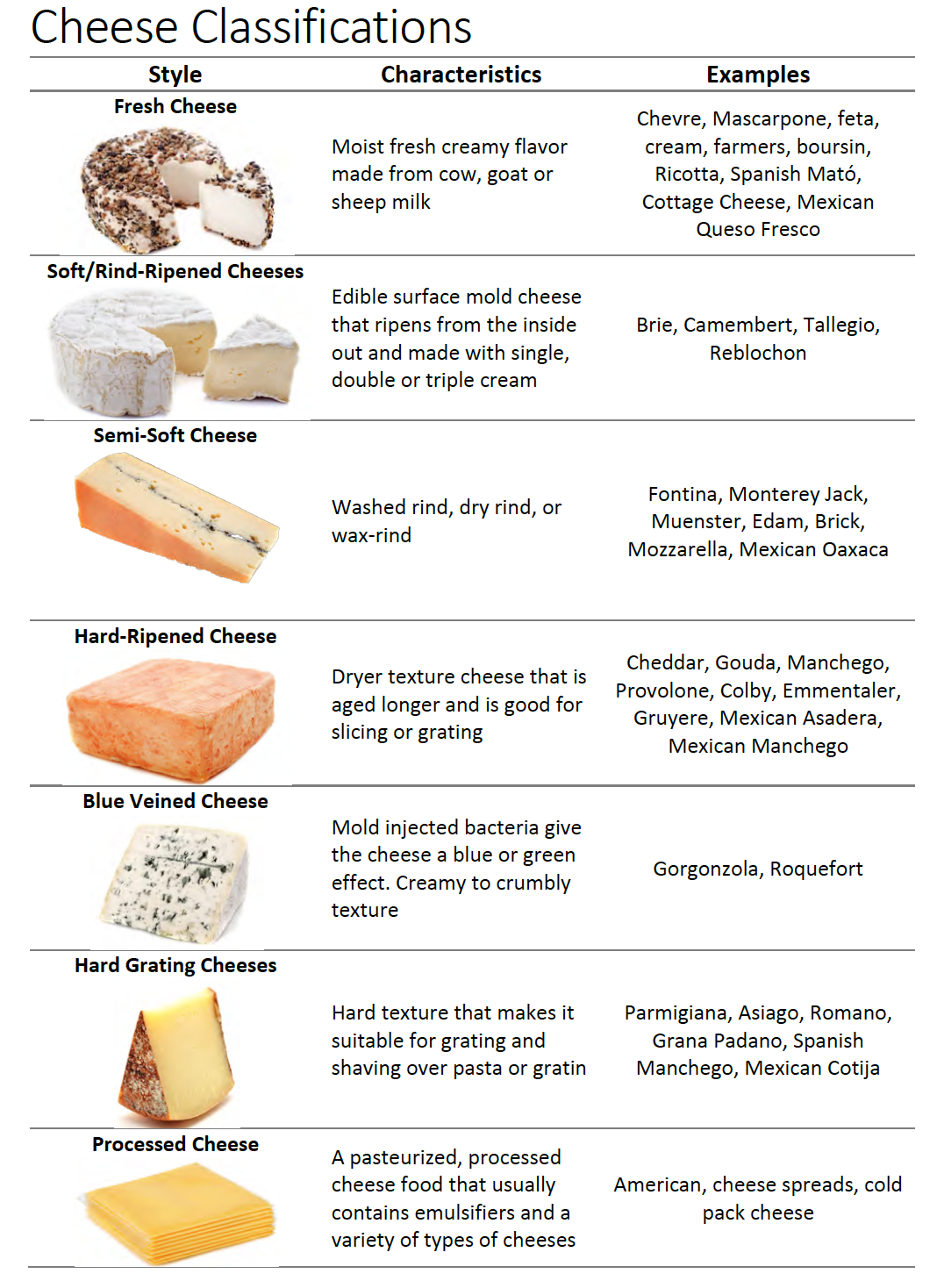
Cheeses — The Culinary Pro
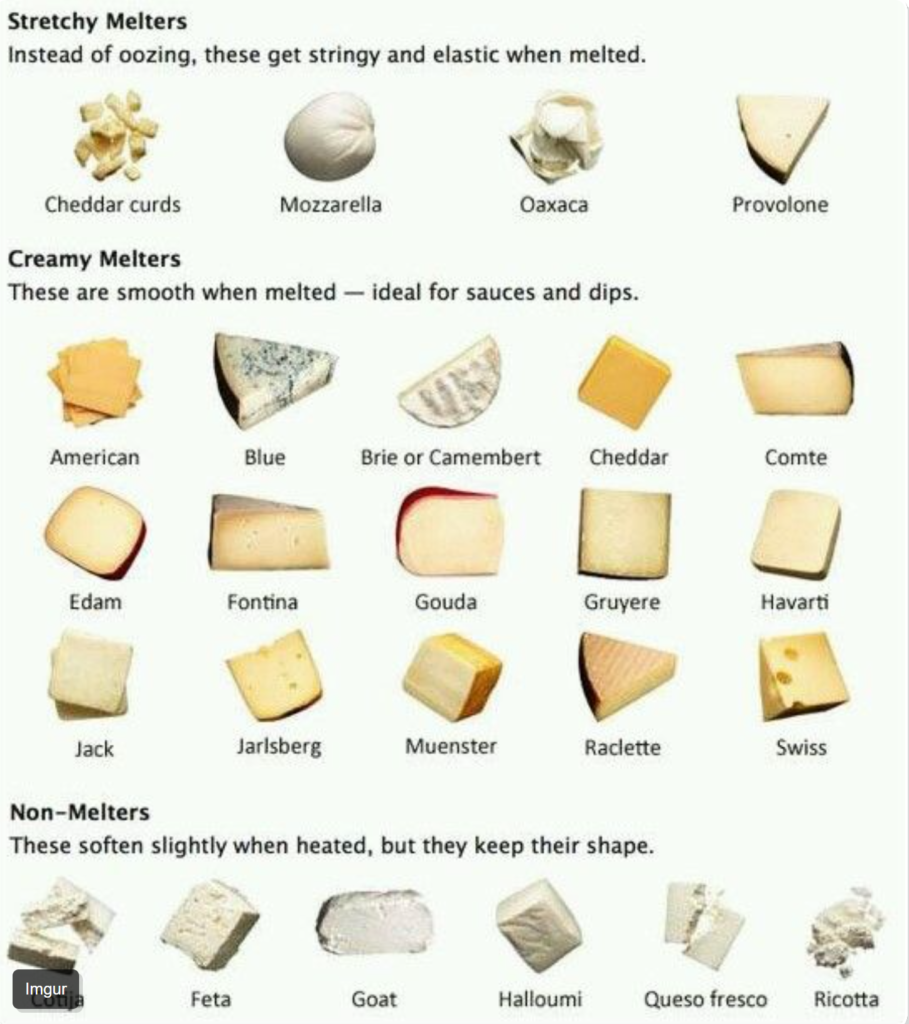
A Guide To CheeseMelting Barefoot Stiletto

Cheese Melting Point Chart

Cheese Melting Temperature Chart
Web At What Temperature Does Cheese Melt?
Web What Is The Melting Point Of High Temp Cheese?
Web Learn Which Types Of Cheese Melt The Best So You Can Better Understand How To Melt Cheese.
Add A Dash Of Milk Or Cream To The Cheese To Help It Become Smooth And Creamy.
Related Post: