Density Of Metals Chart
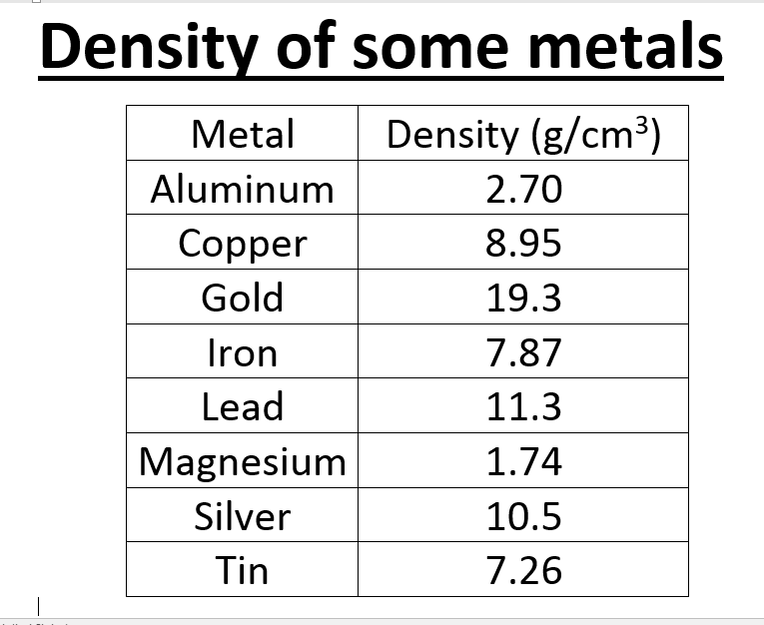
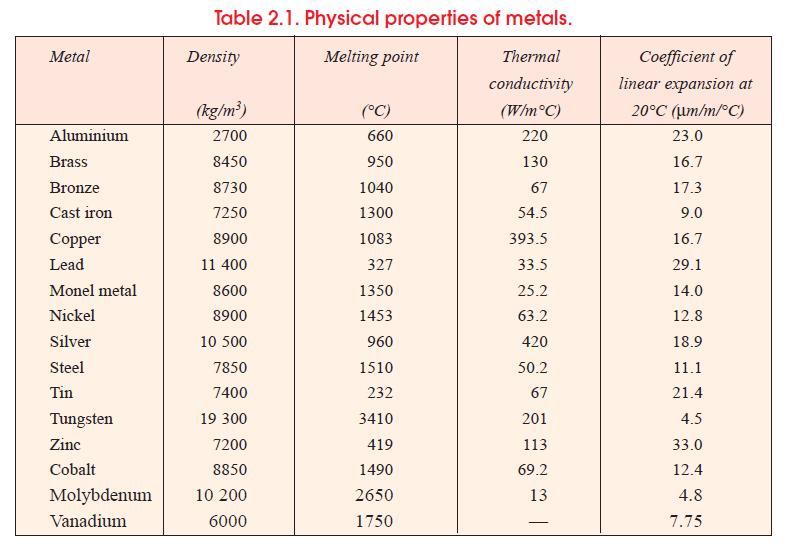
Density Of Metals Chart - Web density of elements chart by angstrom science provides the density, name and symbol for your reference in sputtering or vapor deposition projects. Web densities of metals and elements table. M = mass given in grams g, kg, lbs, etc. Web discover the metal density chart, a comprehensive list of metal and alloy densities. It presents information on aluminum, copper, iron, lead, magnesium, nickel, tin, titanium, and zinc, an their respective alloys. Web from the intricacies of precise cuts to the art of metal shaping, my passion has always been to understand and perfect the craft. Web this article contains a table that lists the density of metals and alloys. Web typical densities of metals and alloys vary depending on the element. Web the density of common metals such as iron is 7.87 g/cm3, mild steel is 7.85 g/cm3, 304 stainless steel is 8.0 g/cm3, aluminum is 2.7g/cm3, copper is 8.93 g/cm3, gold is 19.3 g/cm3, silver is 10.49 g/cm3, for more metals, please. Web density table of common metal materials, including the density of ferrous, nonferrous metal materialsandtheiralloys. Web densities of metals and elements table. Web what is metal density? For g/cm 3, multiply density in lb/in. Web here is a table listing the density of elements of the periodic table. M = mass given in grams g, kg, lbs, etc. V = volume of mass considered, cm 3, kg/m 3, lb/in 3, etc. Web density of all elements in g/cm 3 is mentioned in the chart below. Web typical densities of metals and alloys vary depending on the element. Web the density of metals ranges from osmium at the highest density to lithium at the lowest density of any metal. If you find this article useful then please like, share and comment. Ρ = m / v. Perfect for engineers, manufacturers, and metal enthusiasts. To see how density of materials is calculated, click here. Density is characteristic of the material from which the object is made, and its value can help identify the material. Web what is metal density? The following table provides typical values for the weights (densities) of elemental metals and alloys with industrial applications. Web the following molar volumes and densities for the majority of the gaseous elements were calculated from the van der waals equation of state, using the quoted values of the van der waals constants. Keep in mind, density depends on temperature, pressure,. Web densities of metals and elements table. For density in lb/ft 3, multiply lb/in. To calculate density, you need to know the object’s mass (in grams or pounds) and its volume (size). Web density of elements chart by angstrom science provides the density, name and symbol for your reference in sputtering or vapor deposition projects. Web the density of common. Density is characteristic of the material from which the object is made, and its value can help identify the material. Knowing the periodic table is key for most scientists. For g/cm 3, multiply density in lb/in. But just merely knowing the name of each and every one of the elements is not enough. Web discover the density of various metals. Web explore a comprehensive list of density values for pure metals in both si (kg/m³) and us customary (lb/ft³) units. Magnesium and silver, though not necessarily architectural metals, are indicated for relational comparison. Web the density of common metals such as iron is 7.87 g/cm3, mild steel is 7.85 g/cm3, 304 stainless steel is 8.0 g/cm3, aluminum is 2.7g/cm3, copper. For density in lb/ft 3, multiply lb/in. Density is defined as the mass per unit volume. Web density table of common metal materials, including the density of ferrous, nonferrous metal materialsandtheiralloys. M = mass given in grams g, kg, lbs, etc. But just merely knowing the name of each and every one of the elements is not enough. Density is defined as a object’s mass per volume. Magnesium and silver, though not necessarily architectural metals, are indicated for relational comparison. Metal / element or alloy density. Web discover the density of various metals including iron, steel, brass, and aluminum alloys with our comprehensive density table. Web explore how density changes with atomic number in the periodic table of. Web discover the density of various metals including iron, steel, brass, and aluminum alloys with our comprehensive density table. The following table provides typical values for the weights (densities) of elemental metals and alloys with industrial applications. Metal / element or alloy density. Density is defined as a object’s mass per volume. Web density of elements chart by angstrom science. Web explore a comprehensive list of density values for pure metals in both si (kg/m³) and us customary (lb/ft³) units. It presents information on aluminum, copper, iron, lead, magnesium, nickel, tin, titanium, and zinc, an their respective alloys. Web density of elements chart by angstrom science provides the density, name and symbol for your reference in sputtering or vapor deposition. The following table provides typical values for the weights (densities) of elemental metals and alloys with industrial applications. Ρ = m / v. Keep in mind, density depends on temperature, pressure, and the allotrope (form) of the element, so true values may be a bit different. Density is defined as a object’s mass per volume. Web explore a comprehensive list. Web the typical density of common metals can be found listed in the table below. But just merely knowing the name of each and every one of the elements is not enough. Density table for various metals including aluminum, brass, bronze, copper, gold, silver, iron, steel and zinc is given below. Web discover the metal density chart, a comprehensive list of metal and alloy densities. Knowing the periodic table is key for most scientists. Web the density of common metals such as iron is 7.87 g/cm3, mild steel is 7.85 g/cm3, 304 stainless steel is 8.0 g/cm3, aluminum is 2.7g/cm3, copper is 8.93 g/cm3, gold is 19.3 g/cm3, silver is 10.49 g/cm3, for more metals, please. The values are for density around room temperature, except as noted. Web here is a table listing the density of elements of the periodic table. Metal / element or alloy density. (note) this density is at 0 °c temperature and 101.325 kpa pressure. Web density of elements chart by angstrom science provides the density, name and symbol for your reference in sputtering or vapor deposition projects. Through the years, i've seen this industry evolve, and with every change, i've adapted, learned, and shared. It presents information on aluminum, copper, iron, lead, magnesium, nickel, tin, titanium, and zinc, an their respective alloys. For density in lb/ft 3, multiply lb/in. Web density table of common metal materials, including the density of ferrous, nonferrous metal materialsandtheiralloys. Web this article contains a table that lists the density of metals and alloys.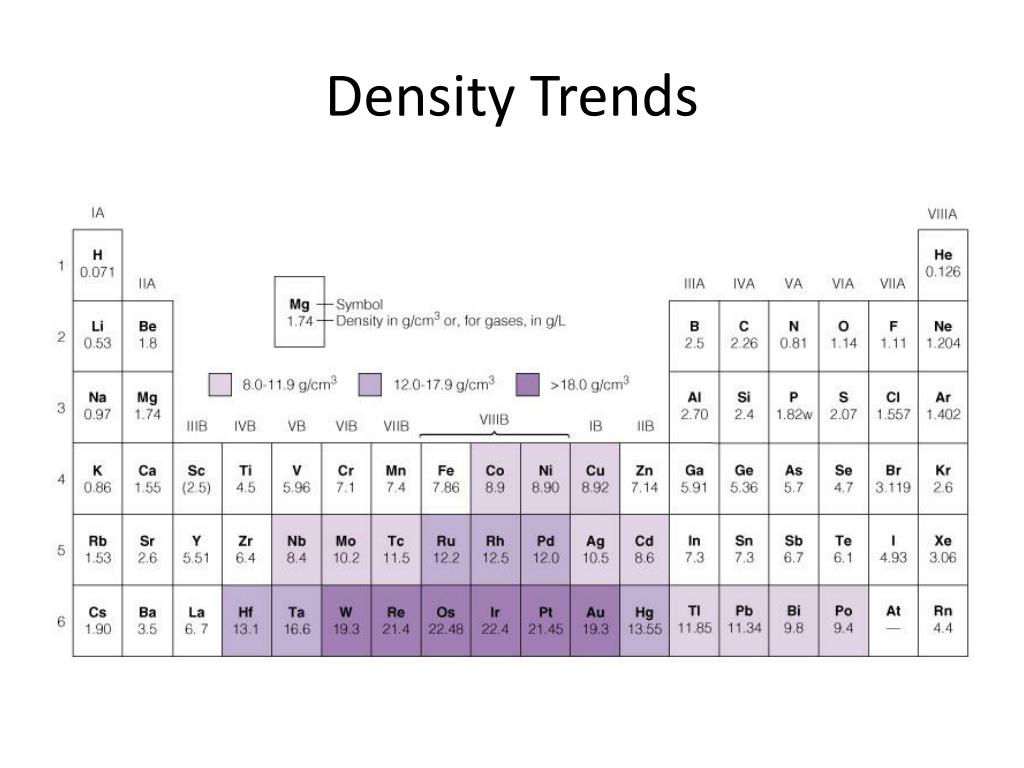
Periodic Table Density Of Metals Periodic Table Timeline
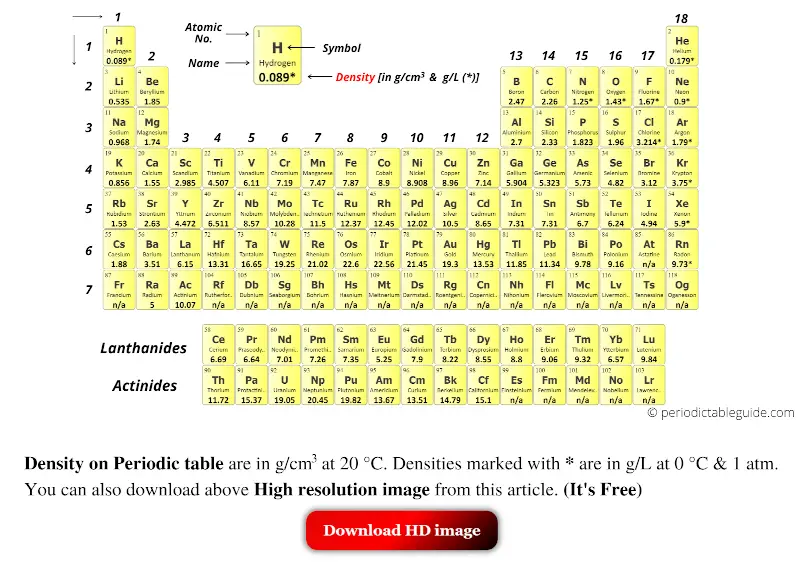
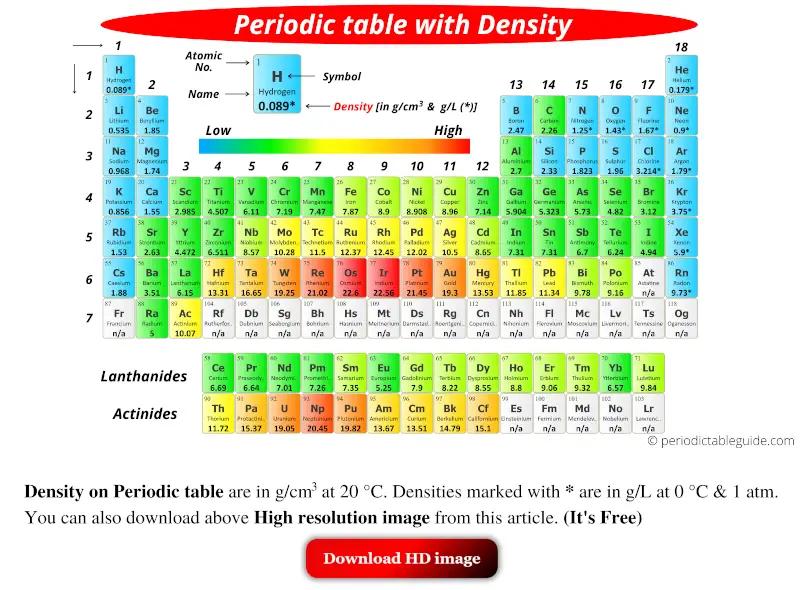
Periodic table with Density in g/cm3 (Labeled HD Image)
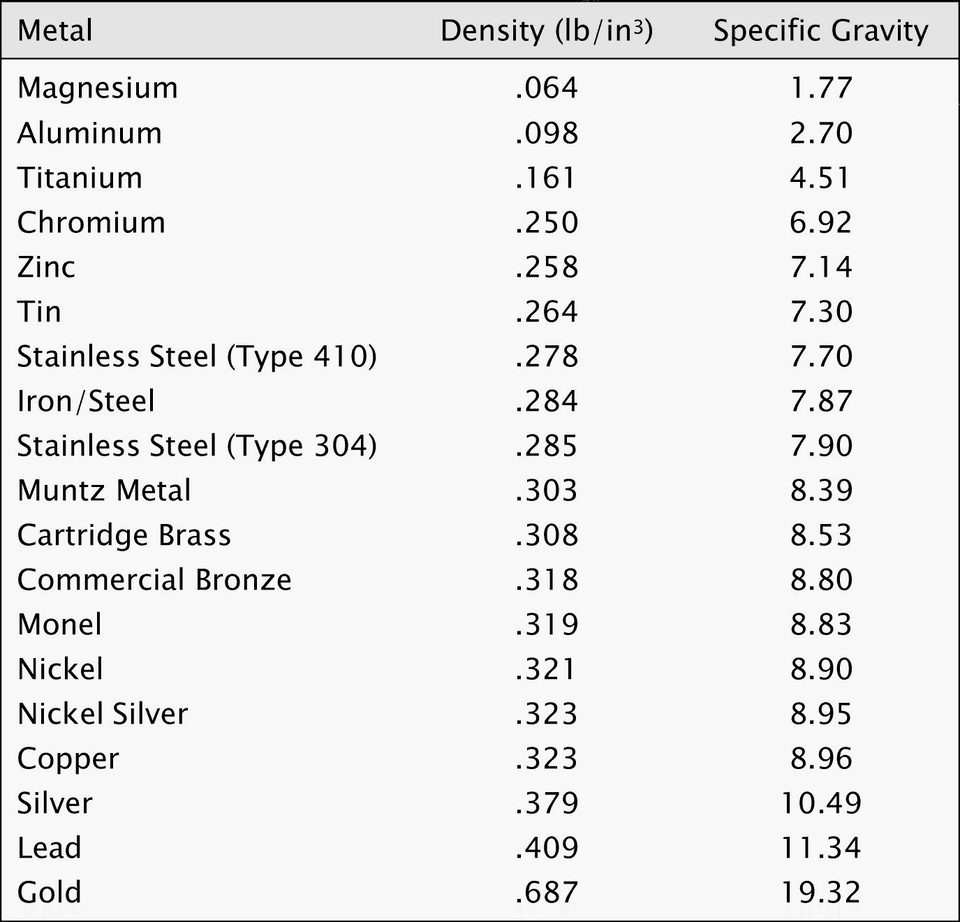
Metal Density Zahner — Innovation and Collaboration to Achieve the

Density of Elements of the Periodic Table
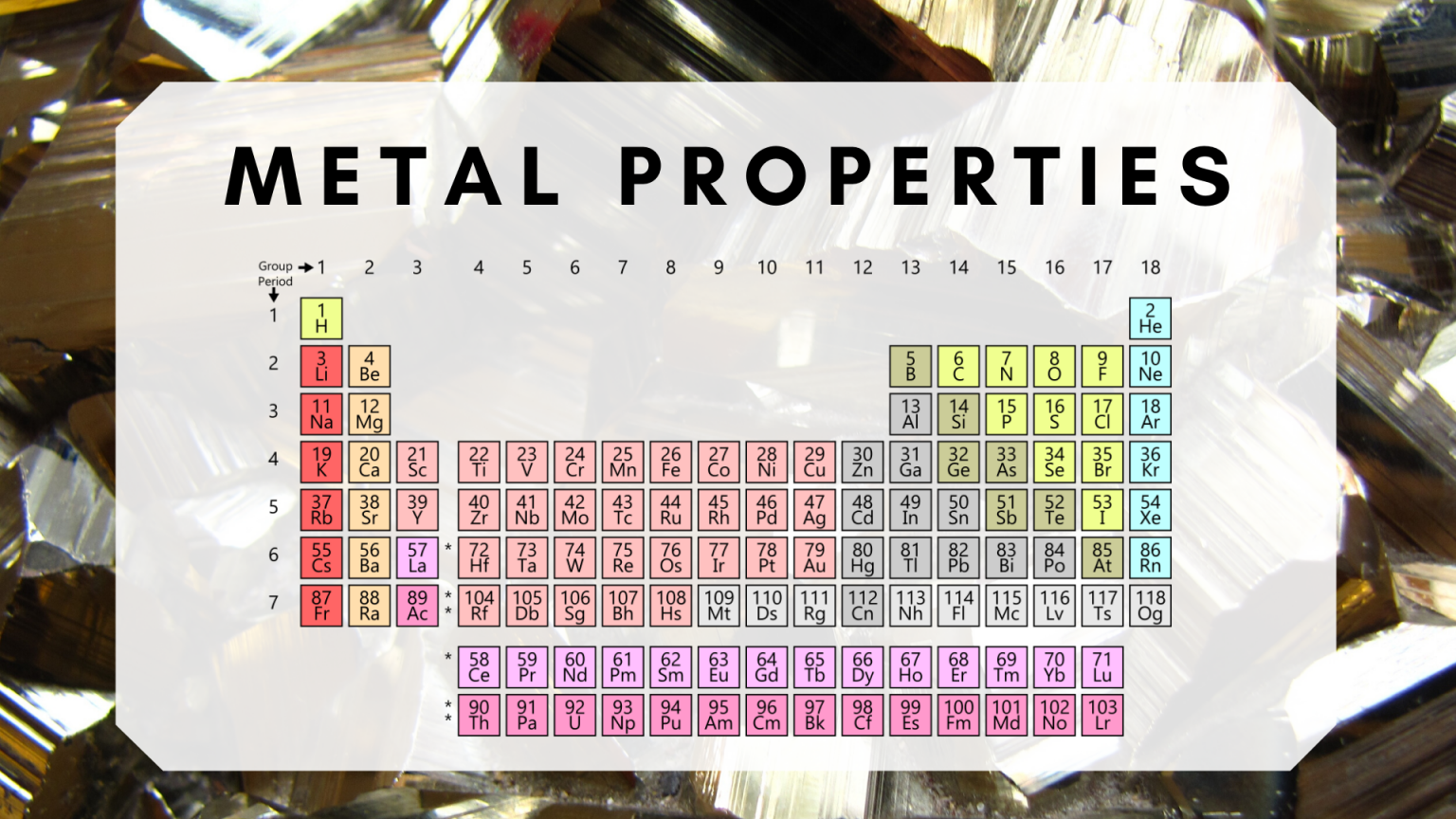
The Density Of Metals Science Trends

5 illustrate the densities of some common substances. Download Table
lab info Mrs. Isernhagen's Science Page
Periodic table with Density in g/cm3 (Labeled HD Image)
Density Chart For Metals

Periodic Table Density Of Metals Periodic Table Timeline
To See How Density Of Materials Is Calculated, Click Here.
Web Densities Of Metals And Elements Table.
For G/Cm 3, Multiply Density In Lb/In.
Web The Chart Below Describes The Various Specific Gravities Of Architectural Metals, Which Range From The Lightness Of Titanium And Aluminum To The Heavy Density Of Lead And Gold Metals.
Related Post: