Dog Progesterone Level Chart Nmol
Dog Progesterone Level Chart Nmol - Web thereafter the progesterone is > 5 ng/ml. Anestrus (2 to 10 months). Refer to the following ranges—which are associated with phases of the canine reproductive cycle—when interpreting catalyst progesterone results. When the progesterone level rises to 5 ng/ml, ovulation occurs. Web plasma progesterone levels of nmol</strong>/l): Most professional dog breeders use either. Plasma progesterone levels of nmol</strong>/l): Web concentrations larger than 40.00 ng/ml were set at 40.00 ng/ml and below 0.20 ng/ml at 0.20 ng/ml for statistical analyses. Web get reliable, quantitative results to predict canine ovulation and estimate optimal fertility. • evaluate the performance of catalyst progesterone by a Progesterone's initial rise occurs concomitantly with the lh surge. Web get reliable, quantitative results to predict canine ovulation and estimate optimal fertility. At a progesterone level of 5 ng/ml, the female dog is ovulating. Obtain a baseline measurement of progesterone and vaginal cytology at first signs of heat. Diestrus finishes when progesterone is < 2 nmol/l. Progesterone is said to be “basal” when its blood concentration is below 1ng/ml. Anestrus is an obligatory period characterized by a quiescent endometrium and the absence of circulating sex steroids. Plasma progesterone levels of >25 ng/mol (75 nmol/l) usually indicate the end of the fertile period. Anestrus (2 to 10 months). Web concentrations larger than 40.00 ng/ml were set at 40.00 ng/ml and below 0.20 ng/ml at 0.20 ng/ml for statistical analyses. Web progesterone results can be expressed in two different units: At a progesterone level of 5 ng/ml, the female dog is ovulating. Rly to estimate ovulation— retest 3 days 1.88 minimum 2 days before ovulation. Web progesterone levels should be tested every two to three days once the dog is three to five days into heat. Progesterone levels are usually. Refer to the following ranges—which are associated with phases of the canine reproductive cycle—when interpreting catalyst progesterone results. Progesterone is said to be “basal” when its blood concentration is below 1ng/ml. Concentrations reflect those of pregnancy or pseudopregnancy. Progesterone in ng/ml x 3.18 = progesterone in nmol/l progesterone in nmol/l ÷ 3.18 = progesterone in ng/ml Web progesterone results can. Concentrations reflect those of pregnancy or pseudopregnancy. Web progesterone < 3.2 nmol/l (< 1 ng/ml) progesterone < 3.2 nmol/l (< 1 ng/ml) all bitches are very likely to be within 24 hours of the onset of spontaneous parturition 100% probability of reaching the time of cervical dilatation within 24 hours progesterone > 15.8 nmol/l (> 5 ng/ml) progesterone ≥ 8.7. Rly to estimate ovulation— retest 3 days 1.88 minimum 2 days before ovulation. Web concentrations larger than 40.00 ng/ml were set at 40.00 ng/ml and below 0.20 ng/ml at 0.20 ng/ml for statistical analyses. Plasma progesterone levels of nmol</strong>/l): Assay in current use does not react significantly with progestins produced in latter portion of pregnancy, therefore best suited for use. Assay in current use does not react significantly with progestins produced in latter portion of pregnancy, therefore best suited for use in early pregnancy. Progesterone's initial rise occurs concomitantly with the lh surge. When the progesterone level rises to 5 ng/ml, ovulation occurs. Web thereafter the progesterone is > 5 ng/ml. Anestrus (2 to 10 months). Concentrations reflect those of pregnancy or pseudopregnancy. Web progesterone results can be expressed in two different units: Web progesterone < 3.2 nmol/l (< 1 ng/ml) progesterone < 3.2 nmol/l (< 1 ng/ml) all bitches are very likely to be within 24 hours of the onset of spontaneous parturition 100% probability of reaching the time of cervical dilatation within 24 hours. Progesterone levels are usually less than 1.0 ng/ml before the lh spike, rising to 3 to 4 ng/ml the day following the lh spike. Obtain a baseline measurement of progesterone and vaginal cytology at first signs of heat. • evaluate the performance of catalyst progesterone by a Web concentrations larger than 40.00 ng/ml were set at 40.00 ng/ml and below. Web concentrations larger than 40.00 ng/ml were set at 40.00 ng/ml and below 0.20 ng/ml at 0.20 ng/ml for statistical analyses. To convert results into similar units, use the following: Web thereafter the progesterone is > 5 ng/ml. Progesterone's initial rise occurs concomitantly with the lh surge. Obtain a baseline measurement of progesterone and vaginal cytology at first signs of. Anestrus is an obligatory period characterized by a quiescent endometrium and the absence of circulating sex steroids. Progesterone's initial rise occurs concomitantly with the lh surge. The baseline serum progesterone of 2.5 ng/ml indicates that it is time to monitor the female dog because she will start ovulating soon. Web progesterone results can be expressed in two different units: Obtain. Ovulation and time of optimal fertility can be estimated by observing a distinct rise in progesterone concentrations, which is best identified with serial testing. Anestrus is an obligatory period characterized by a quiescent endometrium and the absence of circulating sex steroids. Web the progesterone level ranges between 4 and 8 ng/ml indicating that female dogs are ovulating. Plasma progesterone levels. Progesterone assays can be also used in late gestation to help determine. Progesterone is said to be “basal” when its blood concentration is below 1ng/ml. Web progesterone levels should be tested every two to three days once the dog is three to five days into heat. Gonadotrophin levels come in pulsatile bursts toward the end of anestrus. Anestrus is an obligatory period characterized by a quiescent endometrium and the absence of circulating sex steroids. Assay in current use does not react significantly with progestins produced in latter portion of pregnancy, therefore best suited for use in early pregnancy. Web get reliable, quantitative results to predict canine ovulation and estimate optimal fertility. Most professional dog breeders use either. Obtain a baseline measurement of progesterone and vaginal cytology at first signs of heat. Refer to the following ranges—which are associated with phases of the canine reproductive cycle—when interpreting catalyst progesterone results. Progesterone's initial rise occurs concomitantly with the lh surge. Web concentrations larger than 40.00 ng/ml were set at 40.00 ng/ml and below 0.20 ng/ml at 0.20 ng/ml for statistical analyses. Web plasma progesterone levels of nmol</strong>/l): Obtain a baseline measurement of progesterone and vaginal cytology at first signs of heat. Web progesterone < 3.2 nmol/l (< 1 ng/ml) progesterone < 3.2 nmol/l (< 1 ng/ml) all bitches are very likely to be within 24 hours of the onset of spontaneous parturition 100% probability of reaching the time of cervical dilatation within 24 hours progesterone > 15.8 nmol/l (> 5 ng/ml) progesterone ≥ 8.7 nmol/l (≥ 2.7 ng/ml) 2% probability of. Web catalyst progesterone reports quantitative results as low as 0.2 ng/ml and as high as 20.0 ng/ml.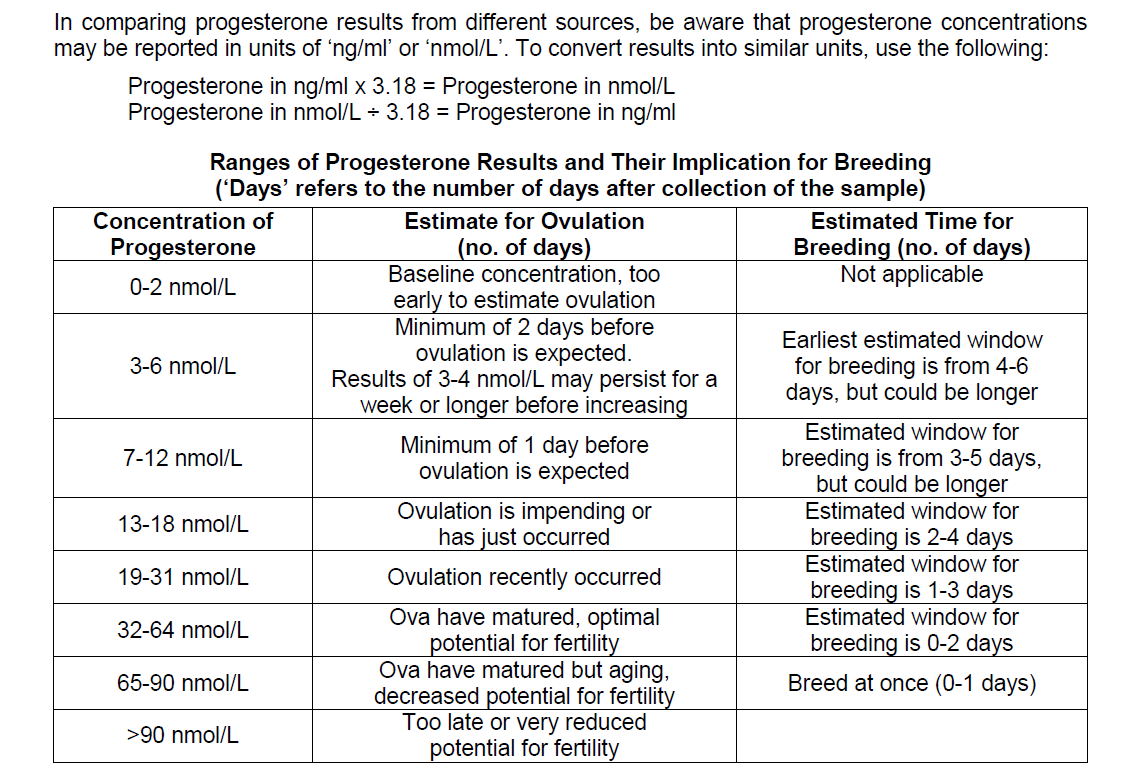
Progesterone Chart Breeders Community Dogz Online Forums
.png)
Better Understanding Progesterone Levels In Dogs
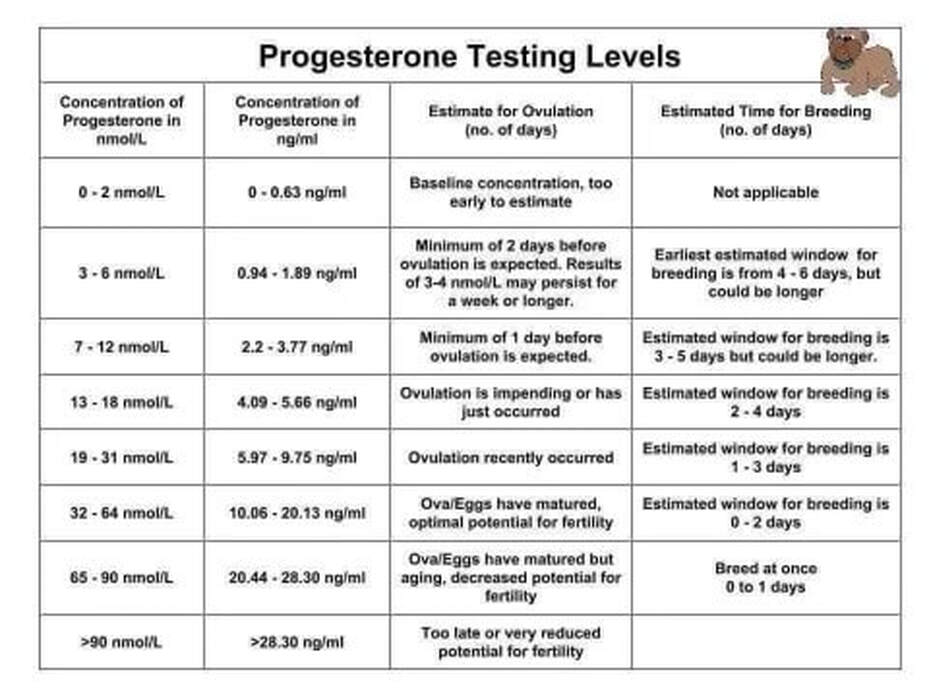
Progesterone Test For Dogs Chart Progesterone Definition, Levels
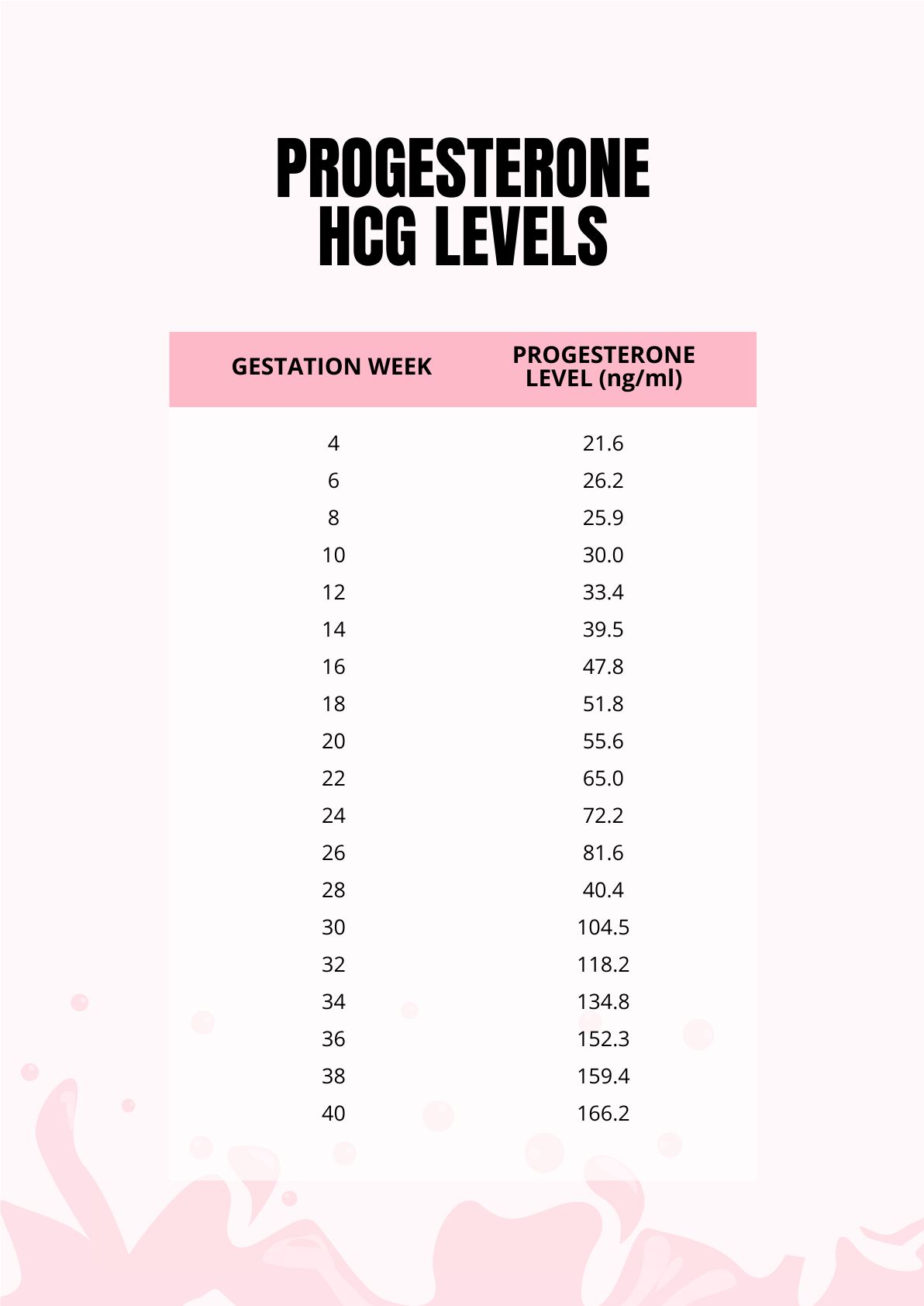
Dog Progesterone Levels Chart
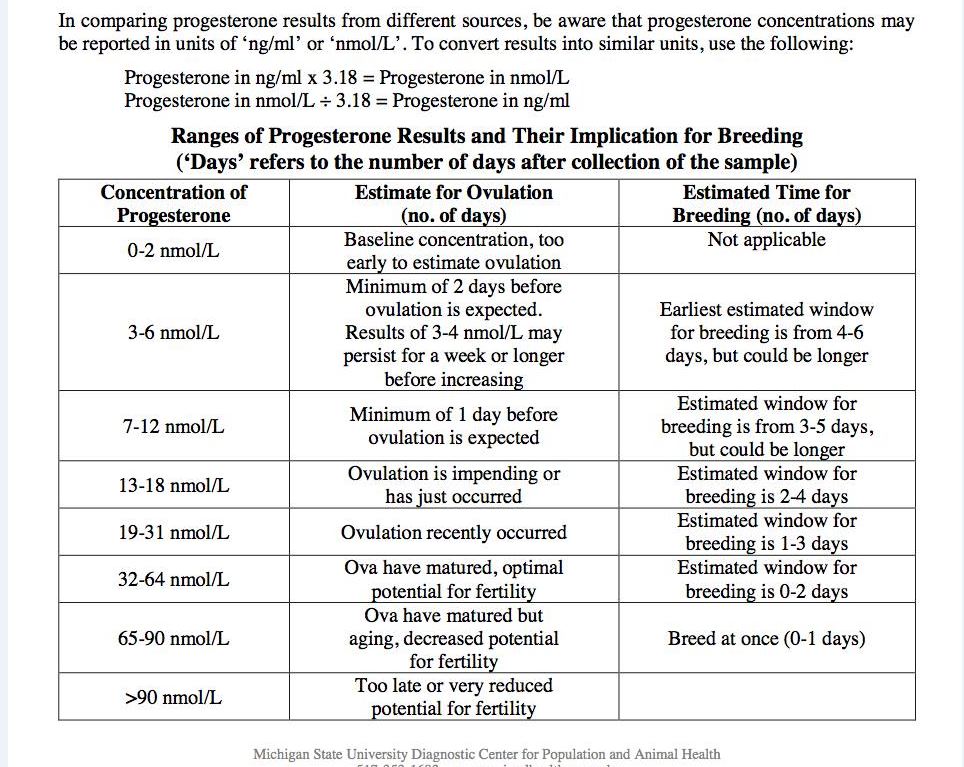
Dog Progesterone Chart A Visual Reference of Charts Chart Master

Breeding Chart For Dogs

Dog Progesterone Levels Chart
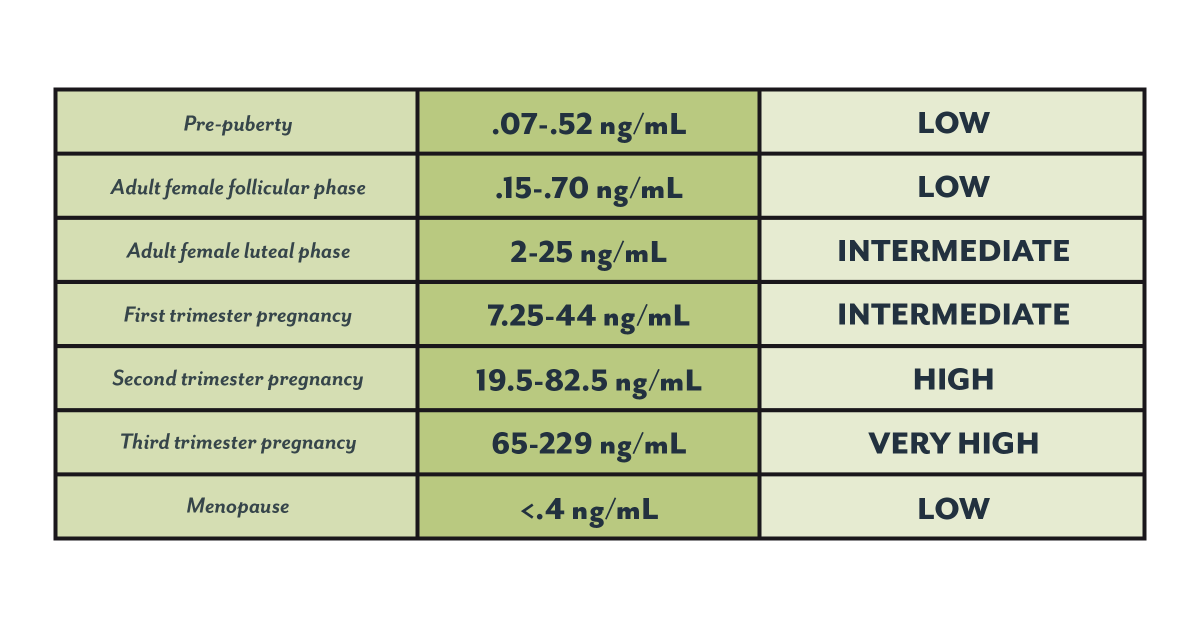
Dog Reverse Progesterone Levels Chart
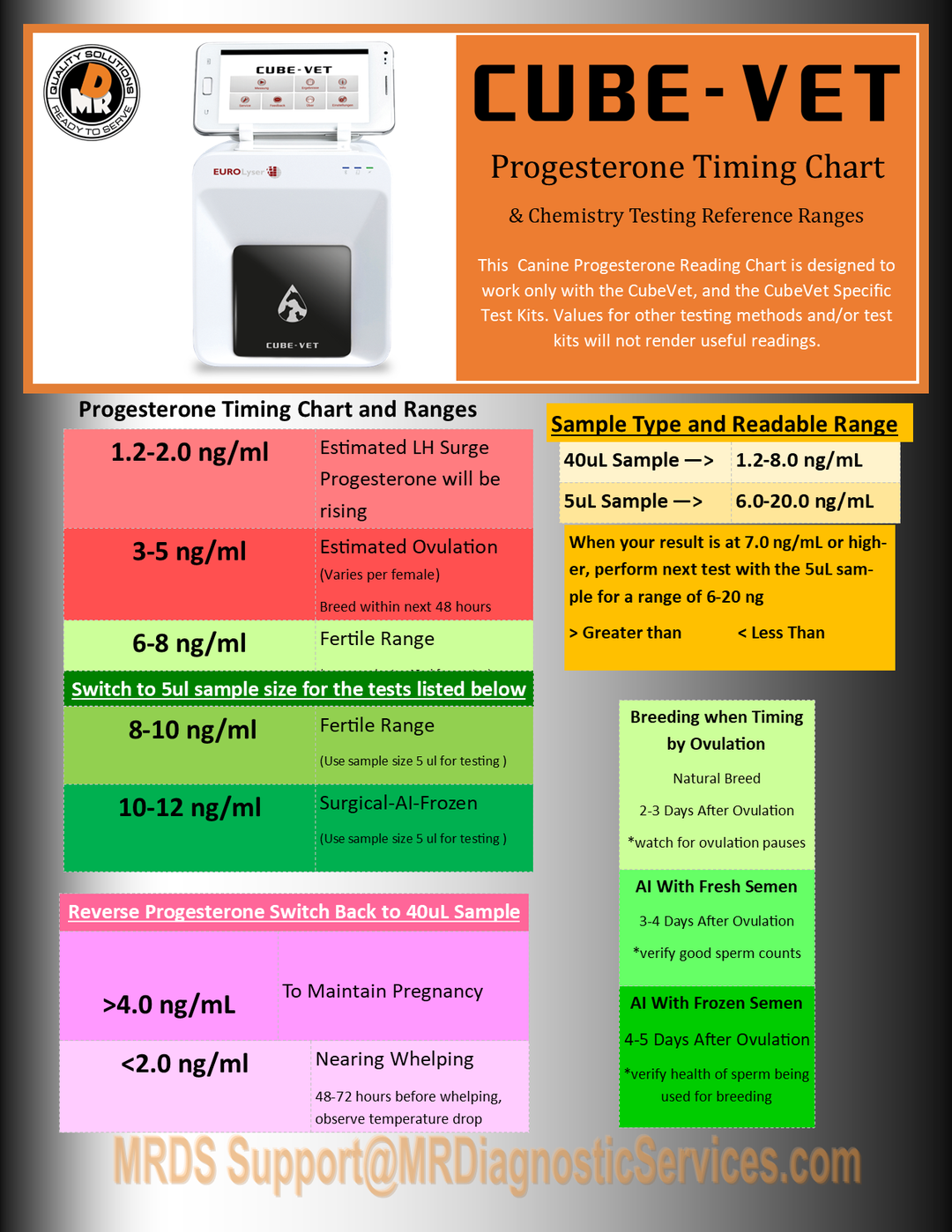
Progesterone Test for Dogs

Dog Progesterone Levels Chart Ng/ml
• Evaluate The Performance Of Catalyst Progesterone By A
Plasma Progesterone Levels Of >25 Ng/Mol (75 Nmol/L) Usually Indicate The End Of The Fertile Period.
Rly To Estimate Ovulation— Retest 3 Days 1.88 Minimum 2 Days Before Ovulation.
At A Progesterone Level Of 5 Ng/Ml, The Female Dog Is Ovulating.
Related Post: