Firewood Moisture Content Chart
Firewood Moisture Content Chart - We’ve explained moisture content for firewood in much more detail below. This is what most seasoned firewood experts prefer to use when building their flame source! Web this chart provides the equilibrium moisture content for wood based on a shop’s humidity and temperature. The moisture content in green wood can vary from as low as 40% to as high as 200%, depending on the age and species of the wood and its growing conditions. Measure the humidity with a hygrometer, check the shop temperature, and look up the numbers in the chart. Web knowing the ideal firewood moisture content helps you get the most out of your firewood. Web freshly harvested firewood from living trees contains a considerable amount of water. This can be achieved by cutting firewood early in the spring, splitting it into small to medium sized pieces, and stacking it in an area that's exposed to the summer sun and wind. As we delve deeper into this topic, we’ll uncover the importance of moisture content and how it impacts the overall performance of your firewood. Web the moisture content of properly seasoned firewood should be under 20%, as firewood burns its most efficiently between moisture content levels of 15% and 20%. Seasoned firewood typically won’t drop lower than around 10% moisture content because of the humidity of the atmosphere. Anything above 20% is considered wet, while below 15% is considered overly dry. This is what most seasoned firewood experts prefer to use when building their flame source! We’ve explained moisture content for firewood in much more detail below. Web knowing the ideal firewood moisture content helps you get the most out of your firewood. Very dense hardwoods (ash, beech) with less than 14% moisture will burn well and last for a while; Properly seasoned firewood with the perfect moisture content level burn longer, hotter, and produce less ash and smoke. Web to achieve efficient and clean burning, firewood should be properly seasoned to reach an ideal moisture level. This can be achieved by cutting firewood early in the spring, splitting it into small to medium sized pieces, and stacking it in an area that's exposed to the summer sun and wind. Web freshly harvested firewood from living trees contains a considerable amount of water. Seasoned firewood typically won’t drop lower than around 10% moisture content because of the humidity of the atmosphere. Anything above 20% is considered wet, while below 15% is considered overly dry. Measure the humidity with a hygrometer, check the shop temperature, and look up the numbers in the chart. Web this chart provides the equilibrium moisture content for wood based. Web to achieve efficient and clean burning, firewood should be properly seasoned to reach an ideal moisture level. We’ve explained moisture content for firewood in much more detail below. Web freshly harvested firewood from living trees contains a considerable amount of water. Seasoned firewood typically won’t drop lower than around 10% moisture content because of the humidity of the atmosphere.. Measure the humidity with a hygrometer, check the shop temperature, and look up the numbers in the chart. This can be achieved by cutting firewood early in the spring, splitting it into small to medium sized pieces, and stacking it in an area that's exposed to the summer sun and wind. We’ve explained moisture content for firewood in much more. Very dense hardwoods (ash, beech) with less than 14% moisture will burn well and last for a while; Web so how do you know whether firewood is dry enough, how can you measure moisture content in firewood, and can firewood be too dry? Web this chart provides the equilibrium moisture content for wood based on a shop’s humidity and temperature.. As we delve deeper into this topic, we’ll uncover the importance of moisture content and how it impacts the overall performance of your firewood. Seasoned firewood typically won’t drop lower than around 10% moisture content because of the humidity of the atmosphere. We’ve explained moisture content for firewood in much more detail below. Measure the humidity with a hygrometer, check. Web so how do you know whether firewood is dry enough, how can you measure moisture content in firewood, and can firewood be too dry? Web the moisture content of properly seasoned firewood should be under 20%, as firewood burns its most efficiently between moisture content levels of 15% and 20%. The moisture content in green wood can vary from. Web freshly harvested firewood from living trees contains a considerable amount of water. Properly seasoned firewood with the perfect moisture content level burn longer, hotter, and produce less ash and smoke. As we delve deeper into this topic, we’ll uncover the importance of moisture content and how it impacts the overall performance of your firewood. The moisture content in green. Very dense hardwoods (ash, beech) with less than 14% moisture will burn well and last for a while; This can be achieved by cutting firewood early in the spring, splitting it into small to medium sized pieces, and stacking it in an area that's exposed to the summer sun and wind. Anything above 20% is considered wet, while below 15%. Web knowing the ideal firewood moisture content helps you get the most out of your firewood. We’ve explained moisture content for firewood in much more detail below. As we delve deeper into this topic, we’ll uncover the importance of moisture content and how it impacts the overall performance of your firewood. Measure the humidity with a hygrometer, check the shop. Seasoned firewood typically won’t drop lower than around 10% moisture content because of the humidity of the atmosphere. As we delve deeper into this topic, we’ll uncover the importance of moisture content and how it impacts the overall performance of your firewood. This is what most seasoned firewood experts prefer to use when building their flame source! The moisture content. We’ve explained moisture content for firewood in much more detail below. As we delve deeper into this topic, we’ll uncover the importance of moisture content and how it impacts the overall performance of your firewood. Measure the humidity with a hygrometer, check the shop temperature, and look up the numbers in the chart. Seasoned firewood typically won’t drop lower than around 10% moisture content because of the humidity of the atmosphere. Very dense hardwoods (ash, beech) with less than 14% moisture will burn well and last for a while; Web this chart provides the equilibrium moisture content for wood based on a shop’s humidity and temperature. Anything above 20% is considered wet, while below 15% is considered overly dry. This is what most seasoned firewood experts prefer to use when building their flame source! Web to achieve efficient and clean burning, firewood should be properly seasoned to reach an ideal moisture level. Web so how do you know whether firewood is dry enough, how can you measure moisture content in firewood, and can firewood be too dry? This can be achieved by cutting firewood early in the spring, splitting it into small to medium sized pieces, and stacking it in an area that's exposed to the summer sun and wind. Properly seasoned firewood with the perfect moisture content level burn longer, hotter, and produce less ash and smoke.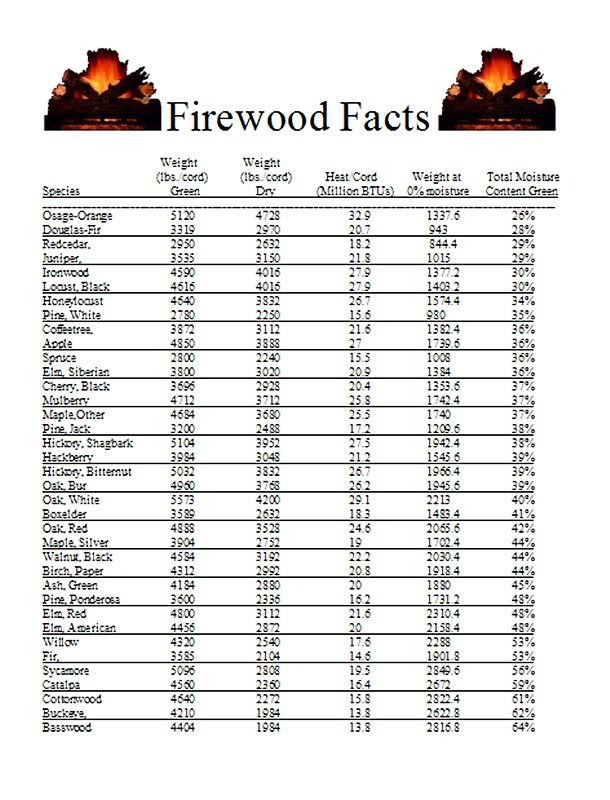
Green wood moisture content

Firewood Moisture Content Chart

Equilibrium Moisture Content Chart
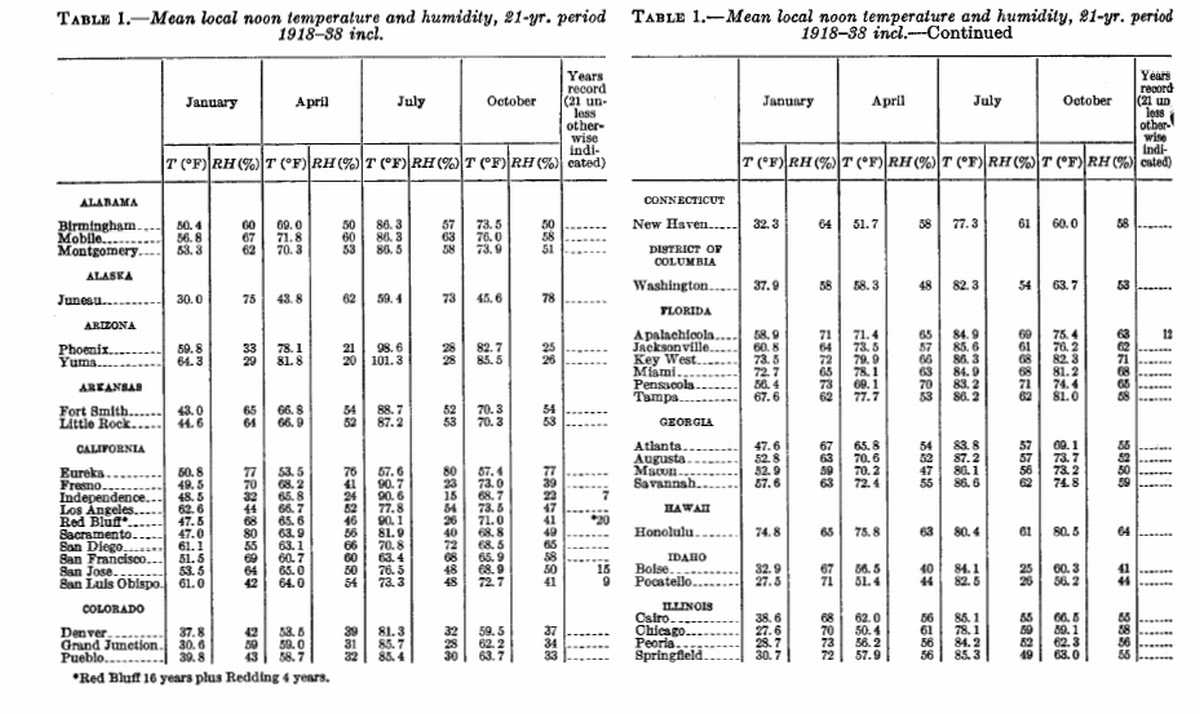
Wooden How To Measure Wood Moisture Content PDF Plans

Moisture Content of Wood Timber moisture content
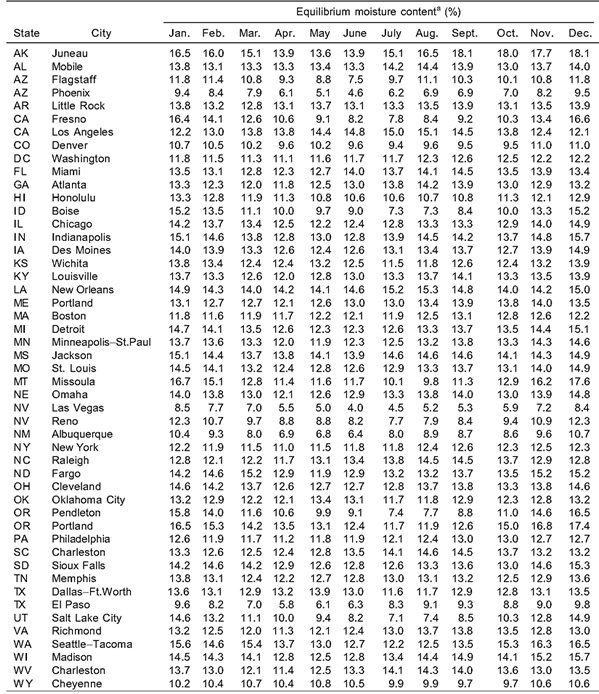
Wood Moisture Content Chart

Wood Moisture Content Chart
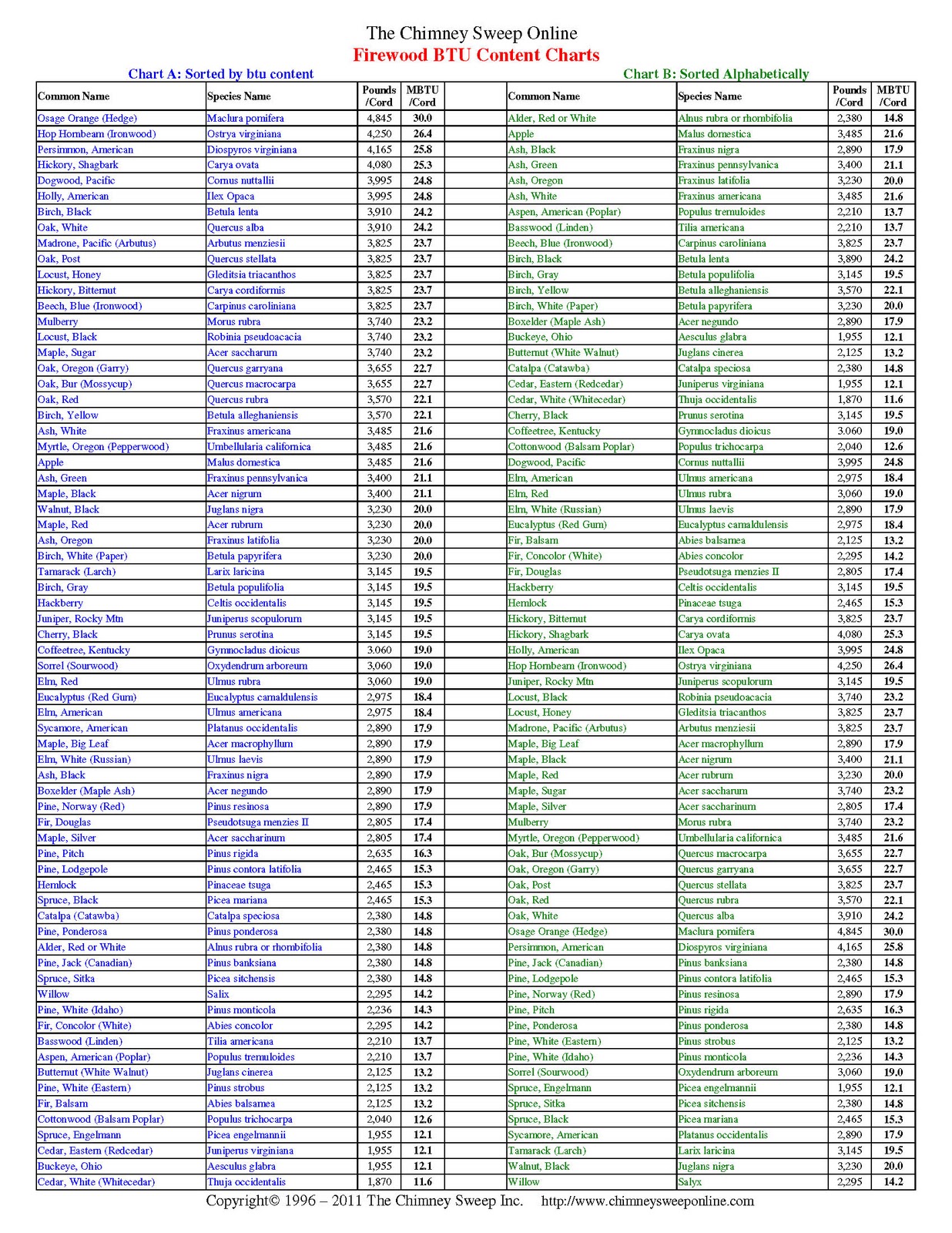
Firewood Moisture Content Chart
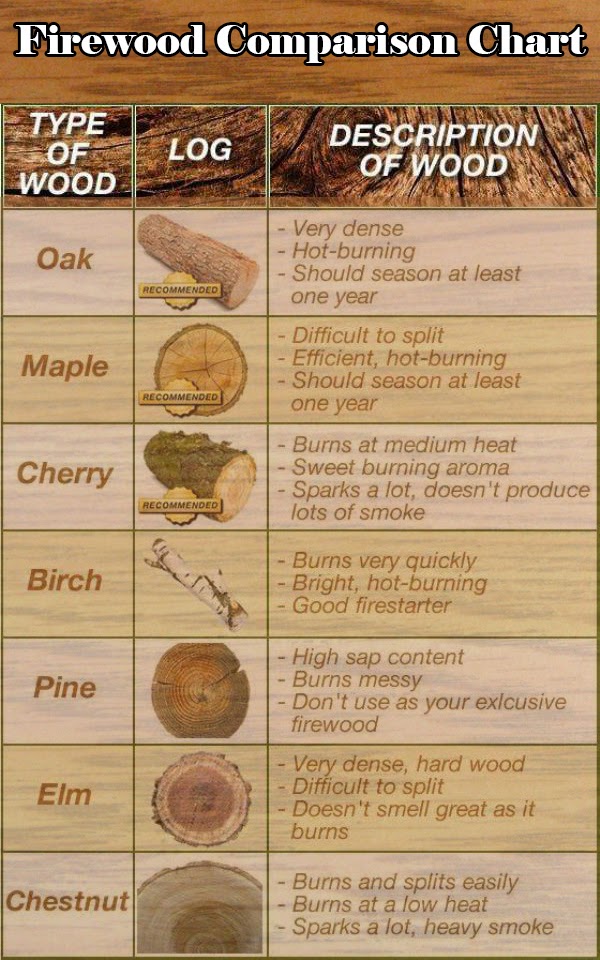
Firewood Moisture Content Chart
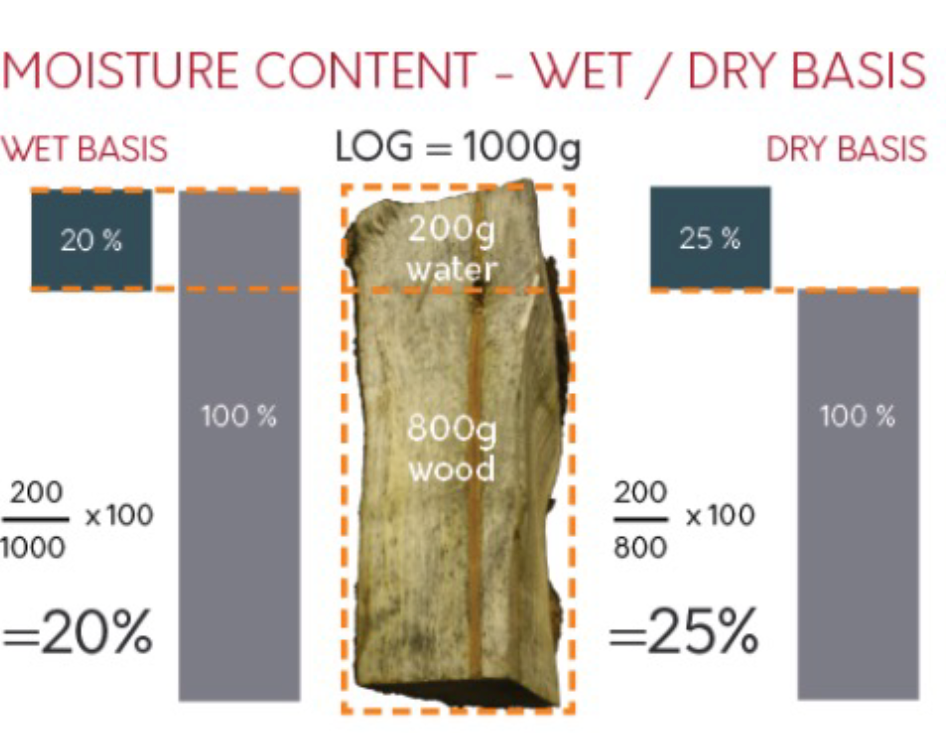
How to check firewood moisture content HETAS
Web Freshly Harvested Firewood From Living Trees Contains A Considerable Amount Of Water.
Web The Moisture Content Of Properly Seasoned Firewood Should Be Under 20%, As Firewood Burns Its Most Efficiently Between Moisture Content Levels Of 15% And 20%.
Web Knowing The Ideal Firewood Moisture Content Helps You Get The Most Out Of Your Firewood.
The Moisture Content In Green Wood Can Vary From As Low As 40% To As High As 200%, Depending On The Age And Species Of The Wood And Its Growing Conditions.
Related Post: