Intake Output Chart
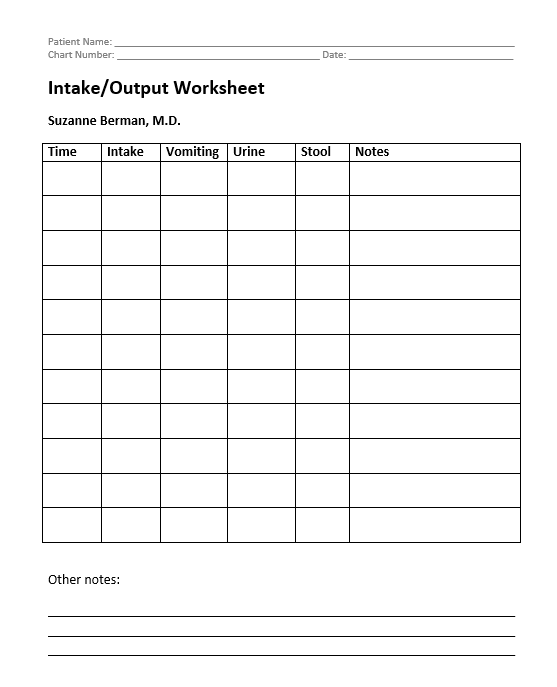
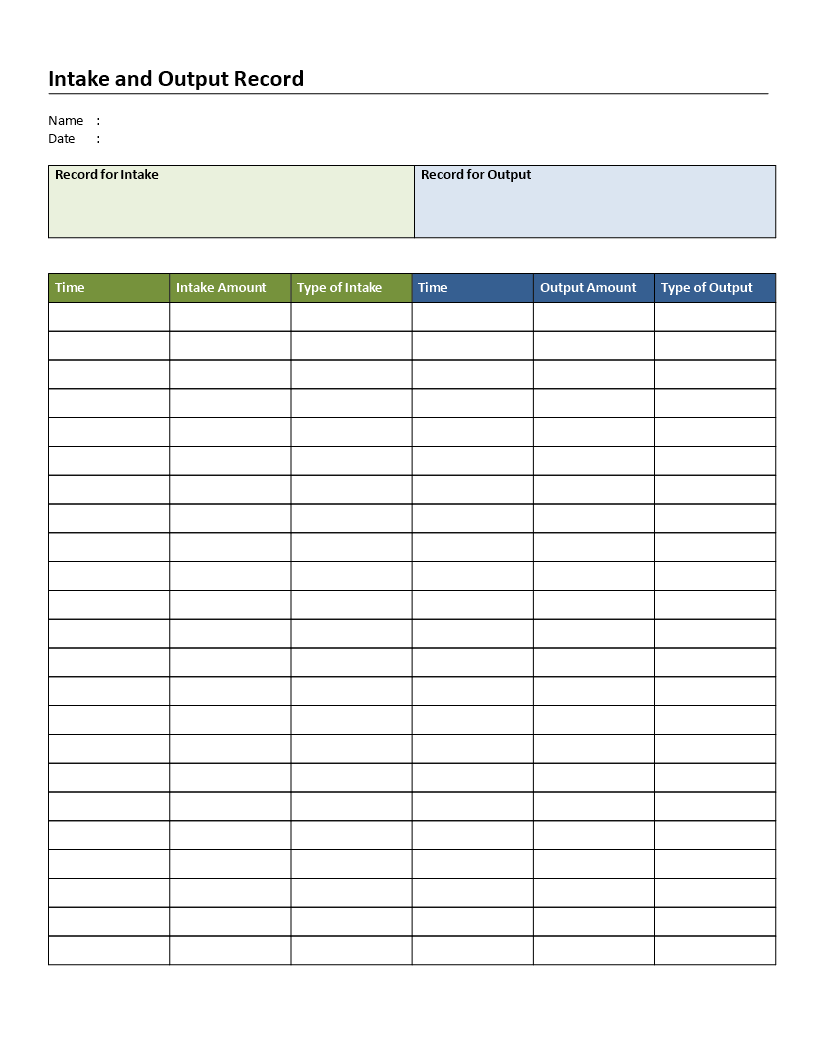
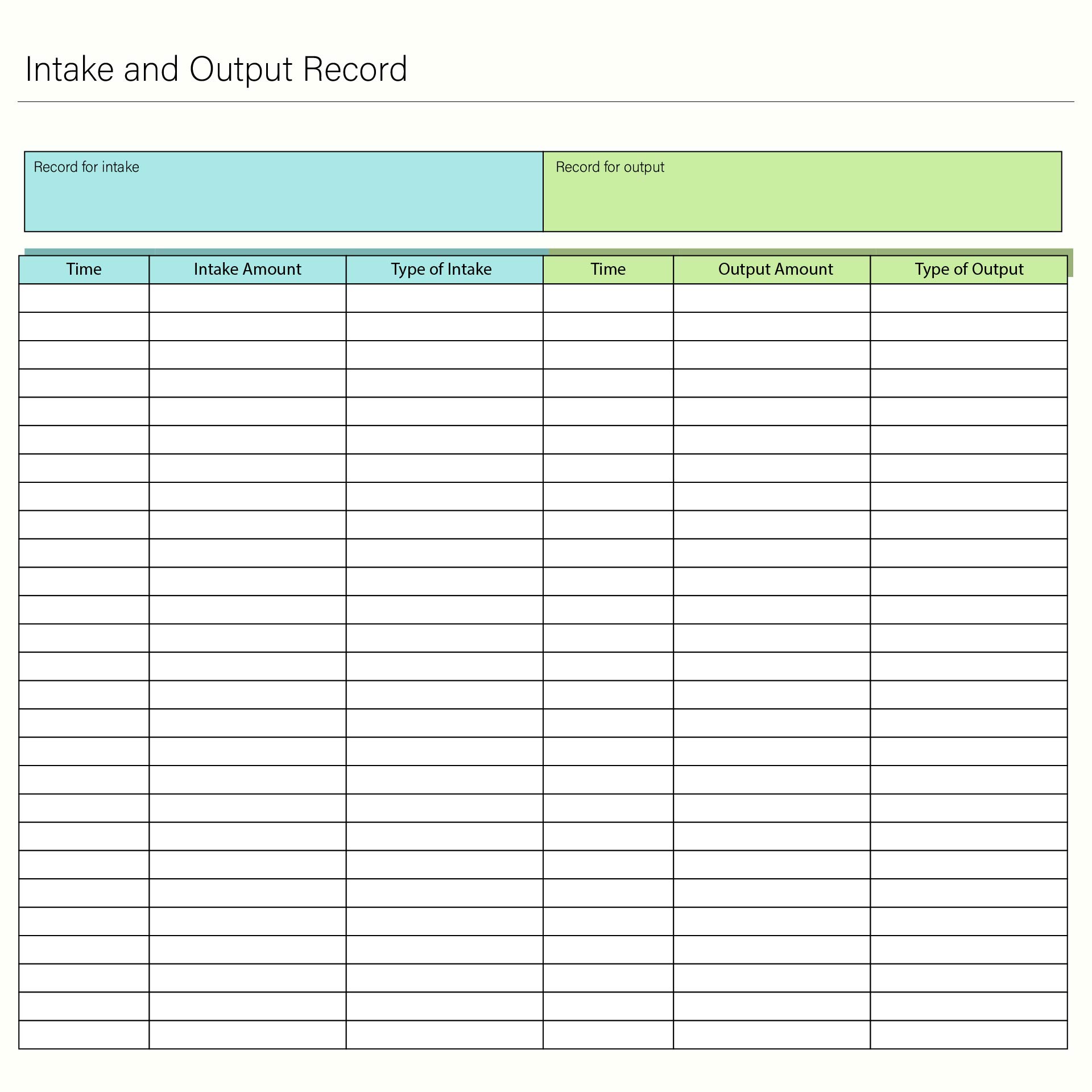
Intake Output Chart - Intake refers to the amount of fluids the client ingests, and output refers to the amount of fluids that leave the body. Nursing aides assist with documenting clients’ intake and output. Intake is divided into oral intake, which you’ll need to fill with the amount you measured, and parenteral intake, where you will add fluid intake coming from intravenous therapy, enteral, or total parenteral nutrition. Web normally, the amount of total body water should be balanced through the ingestion and elimination of water: Web what is an input/output chart? Web 7.7 measuring intake and output. Food liquid urine (should be at least 1l (1000ml) over 24 hours) ileostomy (at most, should be 1.2l (1200ml) over 24 hours. This is what is typically referred to when assessing ‘fluid balance’, rather than fluid status. Web cumulative fluid balance chart. Intake refers to the amount of fluids the client ingests, and output refers to the amount of fluids that leave the body. To ensure this balance, as a nursing assistant, you may need to track and record all fluid intake and output on an intake and output sheet, commonly known as i&o sheet. Nursing aides assist with documenting clients’ intake and output. Consists of a 24 hour chart showing measurements of fluid inputs and fluid outputs, usually on an hourly basis, with cumulative totals. Intake refers to the amount of fluids the client ingests, and output refers to the amount of fluids that leave the body. Also, the same chart is used to enter data and to view what has been recorded. Web a typical i&o sheet has a column with time and two separate sections for intake and output. The chart is a table where the rows divide the chart into time intervals. The results are important in diagnosing the cause Web the urine output and fluid balance calculates urine output over a 24 hour period and fluid balance based on urine output (assuming no other fluid losses). Web normally, the amount of total body water should be balanced through the ingestion and elimination of water: Intake refers to the amount of fluids the client ingests, and output refers to the amount of fluids that leave the body. Web cumulative fluid balance chart. Also, the same chart is used to enter data and to view what has been recorded. This information is used to inform clinical decisions (such as medication and surgical interventions) from medical staff,. The results are important in diagnosing the cause Web the urine output and fluid balance calculates urine output over a 24 hour period and fluid balance based on urine output (assuming no other fluid losses). Web cumulative fluid balance chart. Consists of a 24 hour chart showing measurements of fluid inputs and fluid outputs, usually on an hourly basis, with. The results are important in diagnosing the cause Intake is divided into oral intake, which you’ll need to fill with the amount you measured, and parenteral intake, where you will add fluid intake coming from intravenous therapy, enteral, or total parenteral nutrition. To ensure this balance, as a nursing assistant, you may need to track and record all fluid intake. Intake refers to the amount of fluids the client ingests, and output refers to the amount of fluids that leave the body. 7am 8am 9am 10am 11am 12pm 1pm 2pm 3pm 4pm 5pm 6pm 7pm 12 hour total 8pm 9pm 10pm 11pm 12am 1am 2am 3am 4am 5am 6am 24 hour total. Web 7.7 measuring intake and output. Intake refers. To ensure this balance, as a nursing assistant, you may need to track and record all fluid intake and output on an intake and output sheet, commonly known as i&o sheet. Food liquid urine (should be at least 1l (1000ml) over 24 hours) ileostomy (at most, should be 1.2l (1200ml) over 24 hours. Nursing aides assist with documenting clients’ intake. Nursing aides assist with documenting clients’ intake and output. The results are important in diagnosing the cause Also, the same chart is used to enter data and to view what has been recorded. Web a typical i&o sheet has a column with time and two separate sections for intake and output. Intake refers to the amount of fluids the client. Intake is divided into oral intake, which you’ll need to fill with the amount you measured, and parenteral intake, where you will add fluid intake coming from intravenous therapy, enteral, or total parenteral nutrition. Intake refers to the amount of fluids the client ingests, and output refers to the amount of fluids that leave the body. The chart is a. Web the urine output and fluid balance calculates urine output over a 24 hour period and fluid balance based on urine output (assuming no other fluid losses). Intake refers to the amount of fluids the client ingests, and output refers to the amount of fluids that leave the body. The chart is a table where the rows divide the chart. Consists of a 24 hour chart showing measurements of fluid inputs and fluid outputs, usually on an hourly basis, with cumulative totals. Intake refers to the amount of fluids the client ingests, and output refers to the amount of fluids that leave the body. Nursing aides assist with documenting clients’ intake and output. Intake is divided into oral intake, which. Web 7.7 measuring intake and output. The results are important in diagnosing the cause To ensure this balance, as a nursing assistant, you may need to track and record all fluid intake and output on an intake and output sheet, commonly known as i&o sheet. Consists of a 24 hour chart showing measurements of fluid inputs and fluid outputs, usually. Food liquid urine (should be at least 1l (1000ml) over 24 hours) ileostomy (at most, should be 1.2l (1200ml) over 24 hours. Web the urine output and fluid balance calculates urine output over a 24 hour period and fluid balance based on urine output (assuming no other fluid losses). The chart is a table where the rows divide the chart into time intervals. Consists of a 24 hour chart showing measurements of fluid inputs and fluid outputs, usually on an hourly basis, with cumulative totals. Web cumulative fluid balance chart. This information is used to inform clinical decisions (such as medication and surgical interventions) from medical staff, nurses and dieticians, who all expect accurate figures in exact measurements (georgiades 2016). This is what is typically referred to when assessing ‘fluid balance’, rather than fluid status. Web what is an input/output chart? Web normally, the amount of total body water should be balanced through the ingestion and elimination of water: 7am 8am 9am 10am 11am 12pm 1pm 2pm 3pm 4pm 5pm 6pm 7pm 12 hour total 8pm 9pm 10pm 11pm 12am 1am 2am 3am 4am 5am 6am 24 hour total. Intake refers to the amount of fluids the client ingests, and output refers to the amount of fluids that leave the body. Web a typical i&o sheet has a column with time and two separate sections for intake and output. Intake refers to the amount of fluids the client ingests, and output refers to the amount of fluids that leave the body. Web 7.7 measuring intake and output. Nursing aides assist with documenting clients’ intake and output. Also, the same chart is used to enter data and to view what has been recorded.
The IntakeOutput Chart Health Care Service Delivery
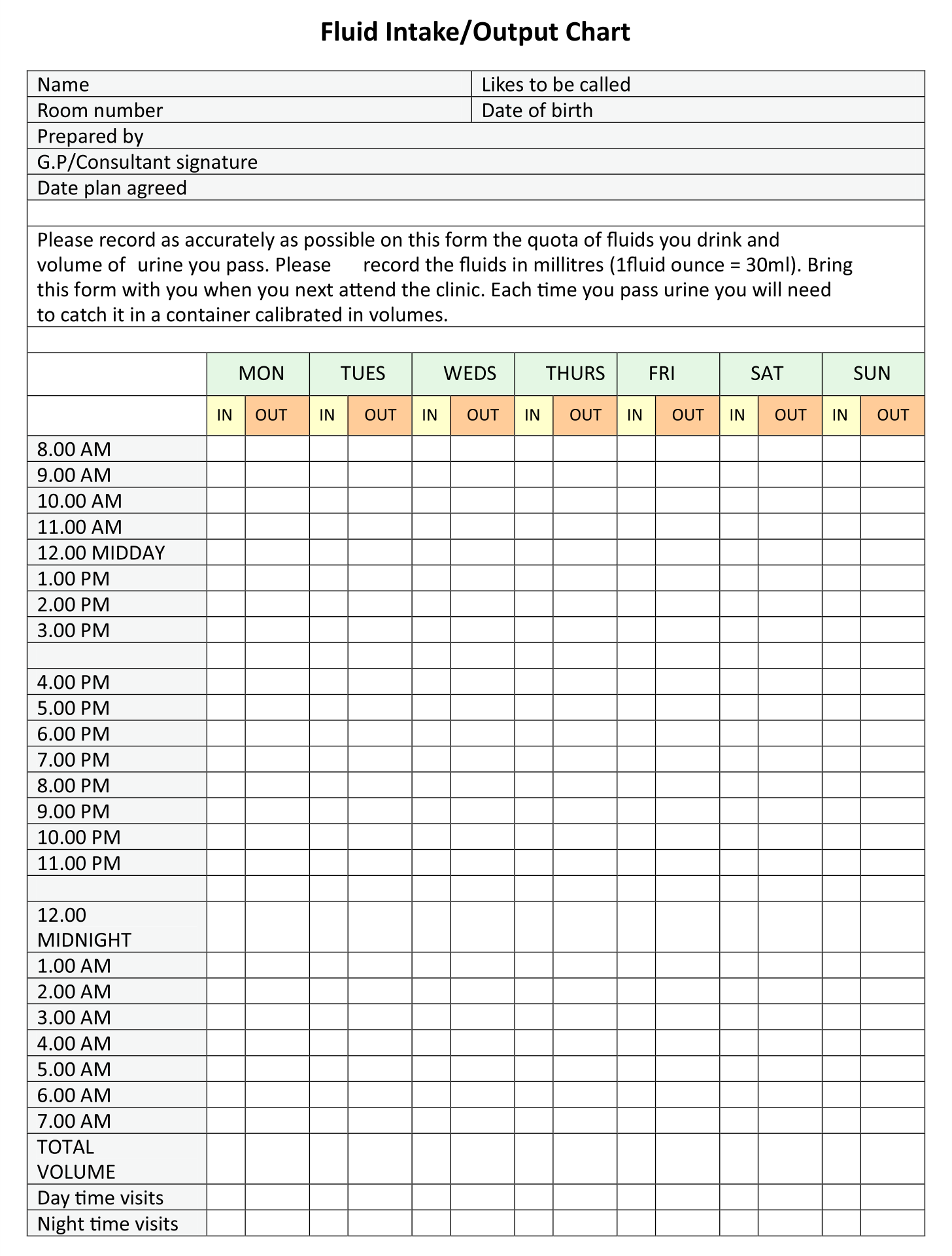
Fluid Intake Charts 10 Free PDF Printables Printablee
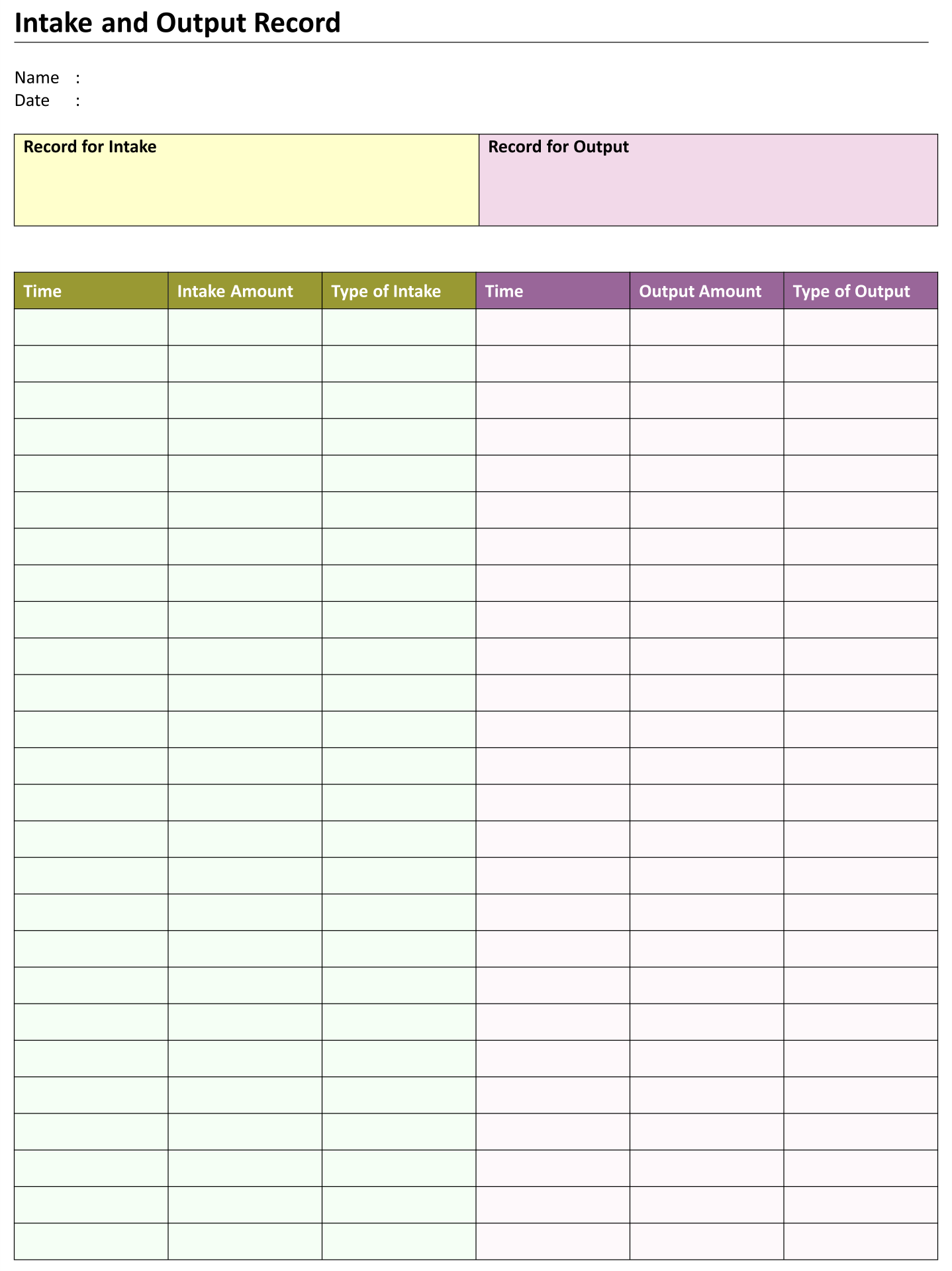
8 Best Images of Printable Fluid Intake Charts Fluid Intake and
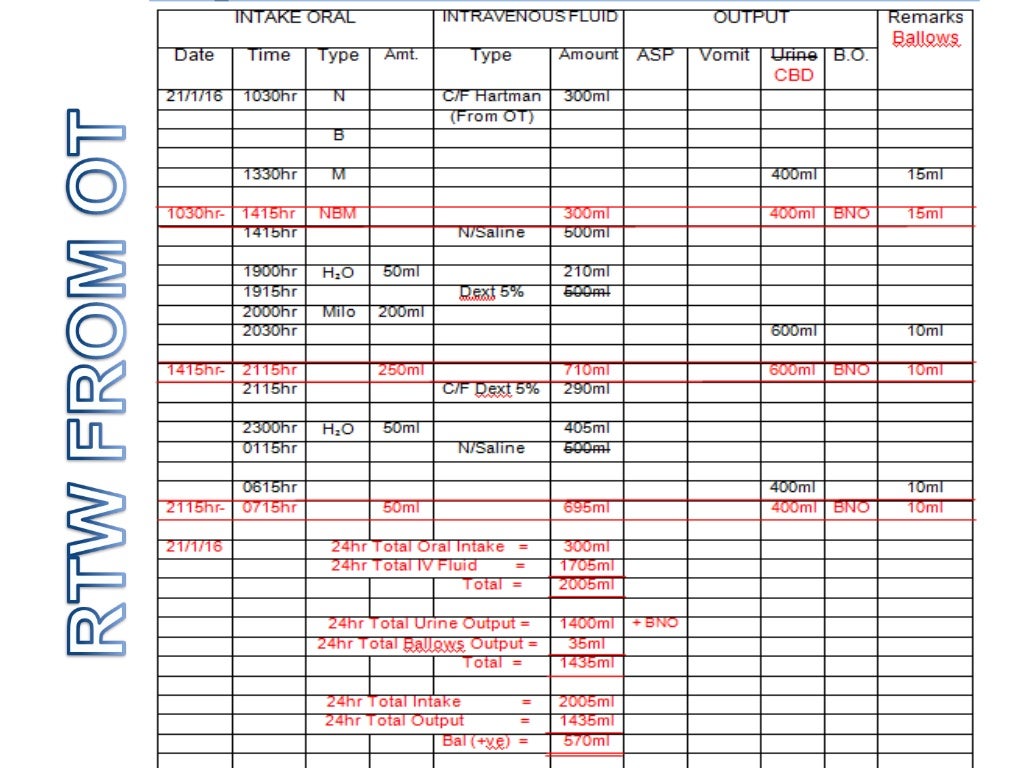
Intake Output Chart Guidelines
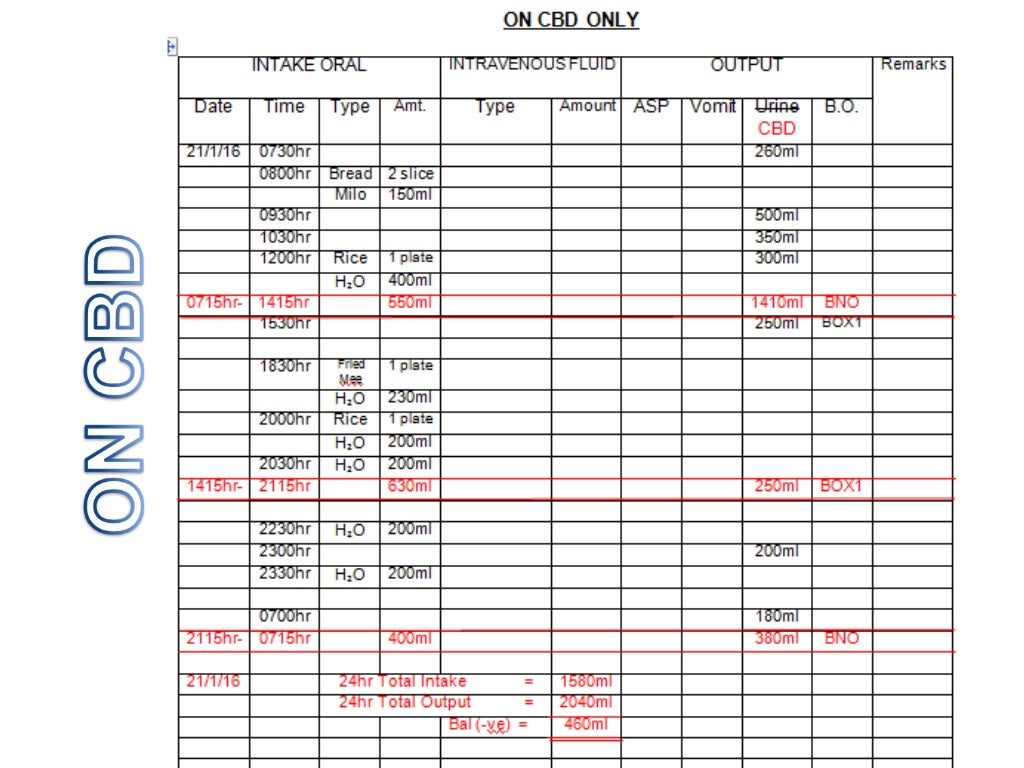
Intake Output Chart Guidelines
Printable Fluid Intake And Output Chart

The IntakeOutput Chart Health Care Service Delivery
Intake and Output Chart Templates at

The IntakeOutput Chart Health Care Service Delivery
8 Best Images of Printable Fluid Intake Charts Fluid Intake and
The Results Are Important In Diagnosing The Cause
Nursing Aides Assist With Documenting Clients’ Intake And Output.
To Ensure This Balance, As A Nursing Assistant, You May Need To Track And Record All Fluid Intake And Output On An Intake And Output Sheet, Commonly Known As I&O Sheet.
Intake Is Divided Into Oral Intake, Which You’ll Need To Fill With The Amount You Measured, And Parenteral Intake, Where You Will Add Fluid Intake Coming From Intravenous Therapy, Enteral, Or Total Parenteral Nutrition.
Related Post: