Piccolo Fingering Chart
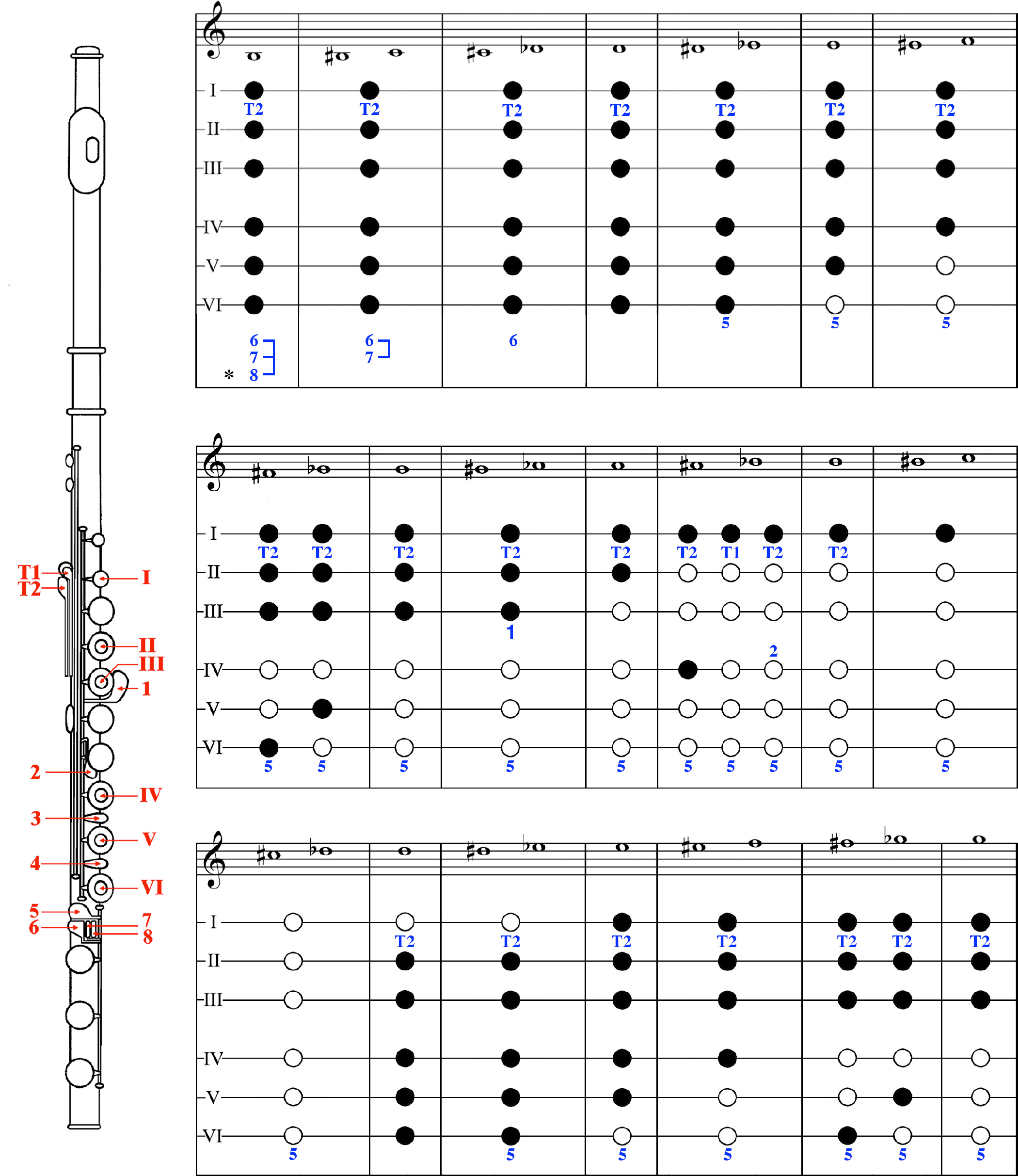
Piccolo Fingering Chart - Lookup a piccolo fingering chart and try them out! Some alternate fingerings are designed for fast passages, while others modify the tone, color, or pitch at normal and extreme dynamic levels. Web view the fingering chart: Web understanding the piccolo’s fingerings and keywork is essential for fluent and accurate playing: Web how to use the piccolo fingering chart. Begin by mastering the basic fingerings for the piccolo. These include the fundamental pitches and common alternate fingerings for improved intonation. This fingering chart includes the written note for the piccolo (sounds an octave higher). Web though flute fingerings work for most notes on the piccolo, some notes (especially high notes) have special piccolo fingerings. Web be sure to review a fingering chart to learn the different fingerings available. And if you decide to upgrade your piccolo later, you may need to learn new fingerings as necessary. Begin by mastering the basic fingerings for the piccolo. Lookup a piccolo fingering chart and try them out! Professional piccolo players use alternate fingerings on a regular basis. Web this fingering chart includes both basic fingerings and alternatives that are more appropriate in some passages. Web how to use the piccolo fingering chart. Web though flute fingerings work for most notes on the piccolo, some notes (especially high notes) have special piccolo fingerings. But you can also experiment with a tuner to see what works with your instrument. Next to each note is the standard fingering and, when applicable, some common alternate fingerings. Web be sure to review a fingering chart to learn the different fingerings available. Web be sure to review a fingering chart to learn the different fingerings available. Professional piccolo players use alternate fingerings on a regular basis. Each fingering chart is split up by acoustic octaves, whose ranges are. But you can also experiment with a tuner to see what works with your instrument. Web this fingering chart includes both basic fingerings and. This fingering chart includes the written note for the piccolo (sounds an octave higher). Then, experiment with a tuner to figure out which fingerings work best for your piccolo. Web how to use the piccolo fingering chart. Some alternate fingerings are designed for fast passages, while others modify the tone, color, or pitch at normal and extreme dynamic levels. These. And if you decide to upgrade your piccolo later, you may need to learn new fingerings as necessary. Some alternate fingerings are designed for fast passages, while others modify the tone, color, or pitch at normal and extreme dynamic levels. But you can also experiment with a tuner to see what works with your instrument. Web this fingering chart includes. Lookup a piccolo fingering chart and try them out! Web be sure to review a fingering chart to learn the different fingerings available. Web understanding the piccolo’s fingerings and keywork is essential for fluent and accurate playing: Web start off by finding the fingers for the note b as shown in the fingering chart below. Each fingering chart is split. Web view the fingering chart: But you can also experiment with a tuner to see what works with your instrument. Web start off by finding the fingers for the note b as shown in the fingering chart below. Web how to use the piccolo fingering chart. Next to each note is the standard fingering and, when applicable, some common alternate. Next to each note is the standard fingering and, when applicable, some common alternate fingerings. Web though flute fingerings work for most notes on the piccolo, some notes (especially high notes) have special piccolo fingerings. Begin by mastering the basic fingerings for the piccolo. Web start off by finding the fingers for the note b as shown in the fingering. Some alternate fingerings are designed for fast passages, while others modify the tone, color, or pitch at normal and extreme dynamic levels. This fingering chart includes the written note for the piccolo (sounds an octave higher). Then, experiment with a tuner to figure out which fingerings work best for your piccolo. Professional piccolo players use alternate fingerings on a regular. Web this fingering chart includes both basic fingerings and alternatives that are more appropriate in some passages. This fingering chart includes the written note for the piccolo (sounds an octave higher). Repeat this process any time you switch piccolos or even just upgrade the headjoint because no two instruments are the same. And if you decide to upgrade your piccolo. Web start off by finding the fingers for the note b as shown in the fingering chart below. Web understanding the piccolo’s fingerings and keywork is essential for fluent and accurate playing: Professional piccolo players use alternate fingerings on a regular basis. Next to each note is the standard fingering and, when applicable, some common alternate fingerings. You should experiment. Then, experiment with a tuner to figure out which fingerings work best for your piccolo. Web view the fingering chart: Some alternate fingerings are designed for fast passages, while others modify the tone, color, or pitch at normal and extreme dynamic levels. Web understanding the piccolo’s fingerings and keywork is essential for fluent and accurate playing: These include the fundamental. You should experiment with your instrument to find the fingerings that work best for you that will enable you to play in tune and with a good tone. Then, experiment with a tuner to figure out which fingerings work best for your piccolo. Next to each note is the standard fingering and, when applicable, some common alternate fingerings. But you can also experiment with a tuner to see what works with your instrument. These include the fundamental pitches and common alternate fingerings for improved intonation. Web this fingering chart includes both basic fingerings and alternatives that are more appropriate in some passages. Each fingering chart is split up by acoustic octaves, whose ranges are. Web be sure to review a fingering chart to learn the different fingerings available. Begin by mastering the basic fingerings for the piccolo. Web many piccolo fingering charts include these alternate fingerings. Web how to use the piccolo fingering chart. Web though flute fingerings work for most notes on the piccolo, some notes (especially high notes) have special piccolo fingerings. And if you decide to upgrade your piccolo later, you may need to learn new fingerings as necessary. This fingering chart includes the written note for the piccolo (sounds an octave higher). Web view the fingering chart: Web basic piccolo fingering chart.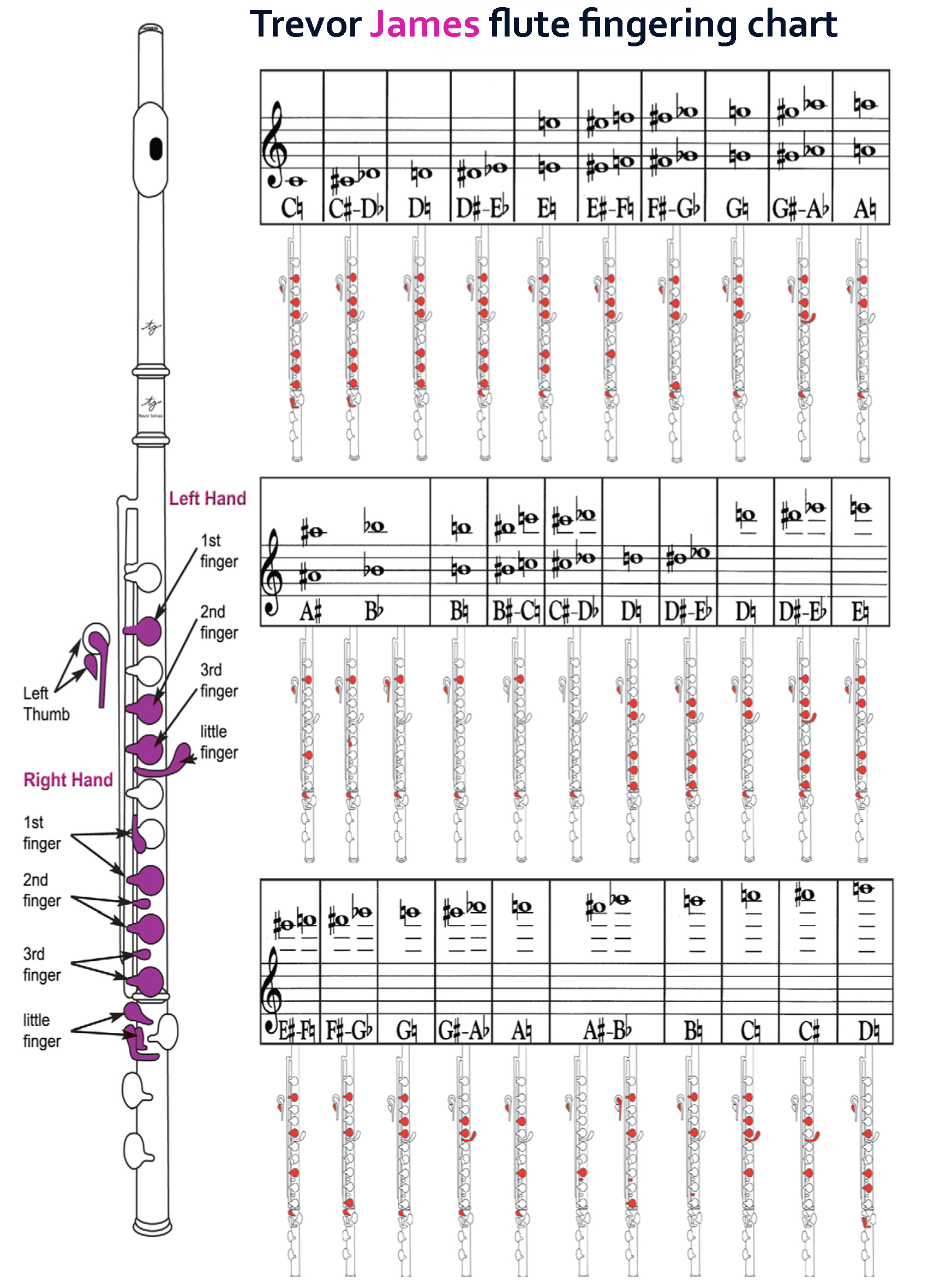
C Major Scale Flute Finger Chart
Flute/Piccolo Fingering Chart A Comprehensive Guide to Standard

C Major Scale Flute Finger Chart vrogue.co

Beginner Flute Finger Chart
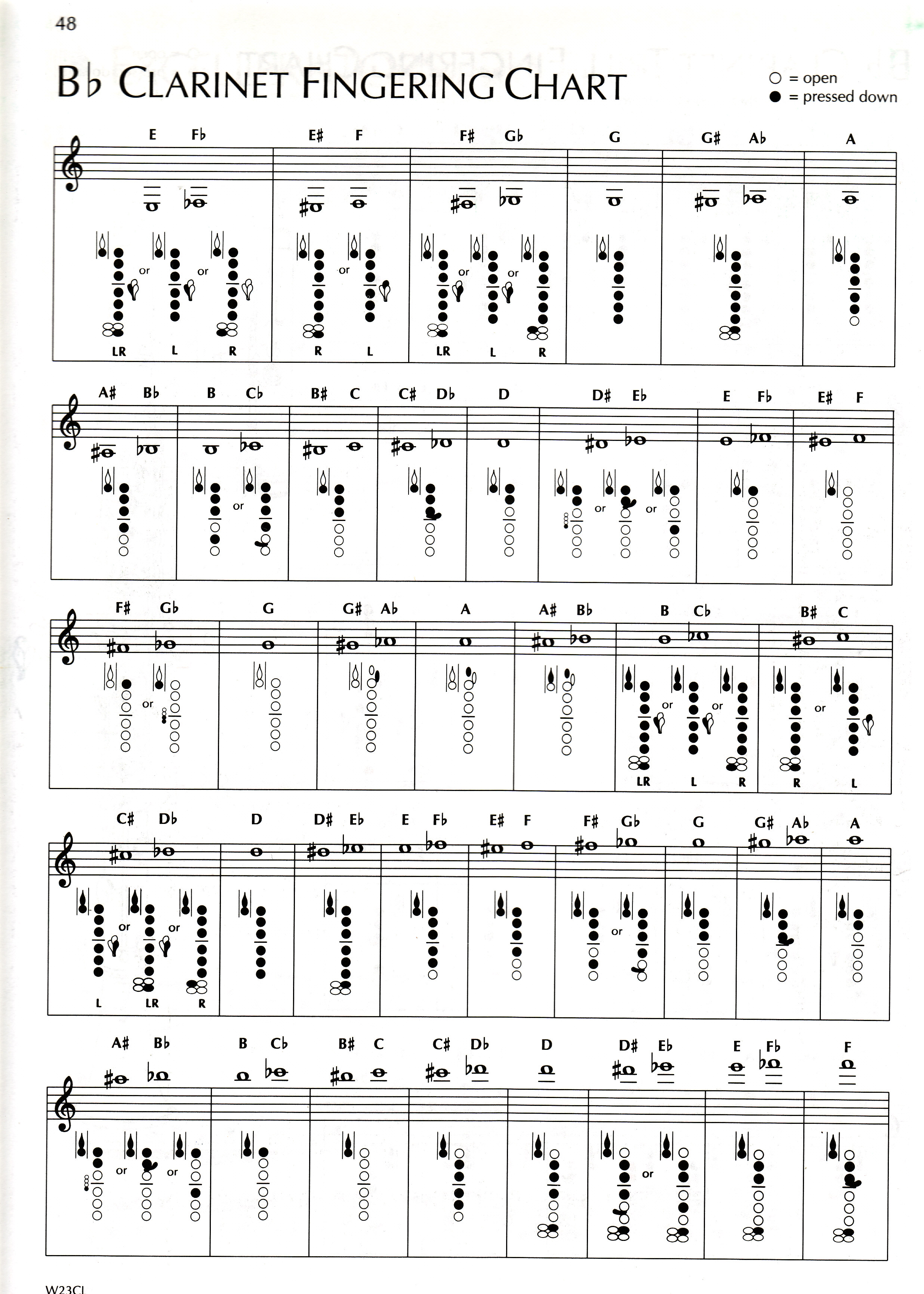
A Flat Finger Chart

Piccolo Fingering Chart Pdf For Beginners
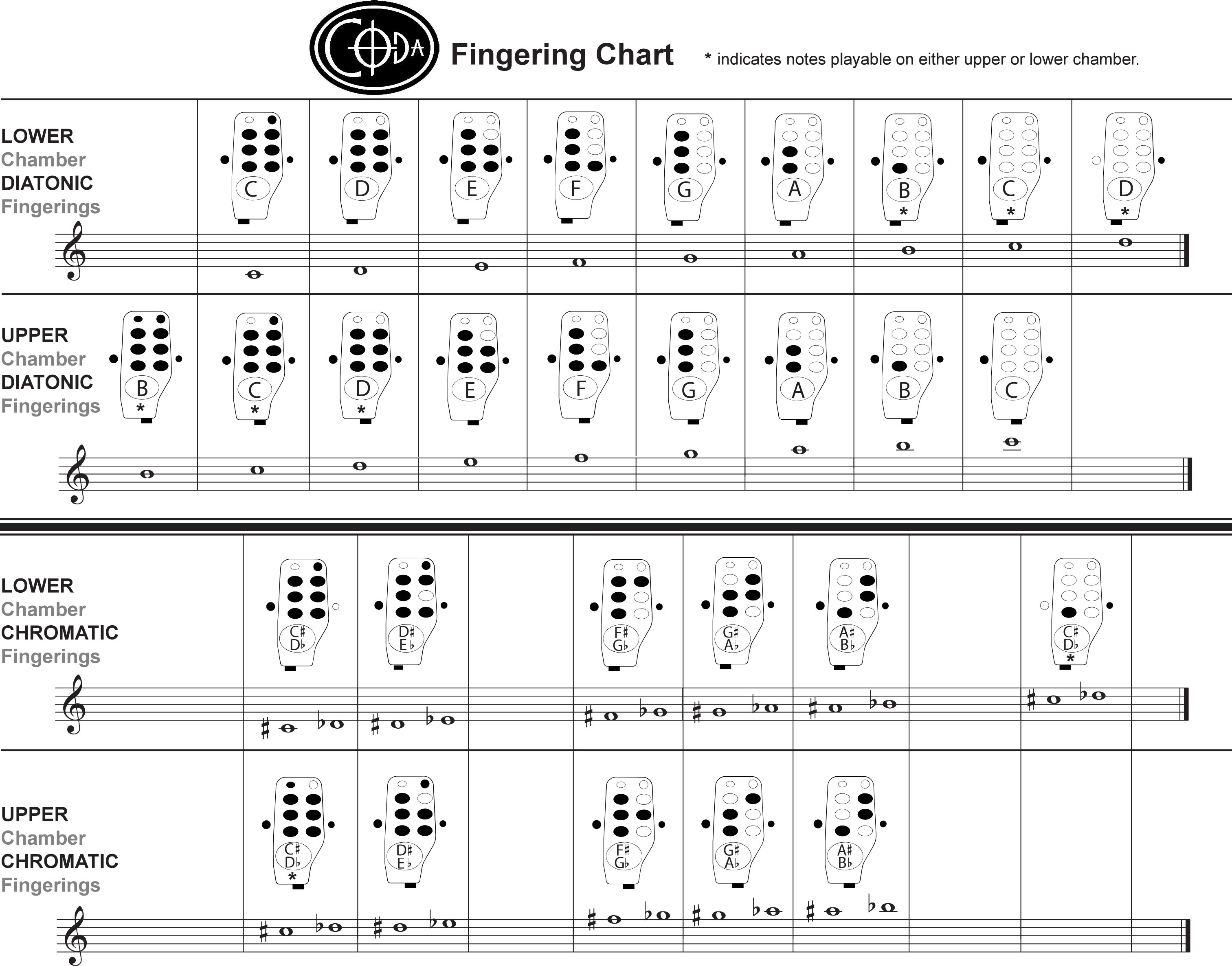
Flute Finger Chart For Beginners Pdf
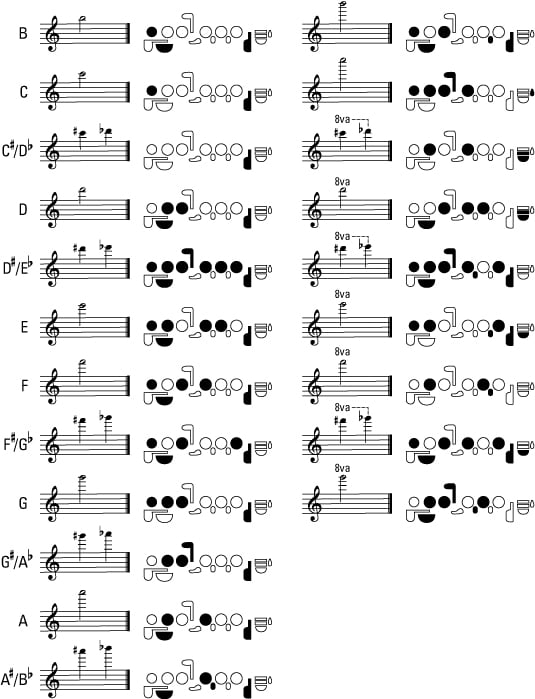
Sheet Music Flute Fingering Chart

Printable Flute Finger Chart Printable Word Searches
Новогодние Игрушки Свечи И Хлопушки Аккорды Telegraph
Professional Piccolo Players Use Alternate Fingerings On A Regular Basis.
Repeat This Process Any Time You Switch Piccolos Or Even Just Upgrade The Headjoint Because No Two Instruments Are The Same.
Some Alternate Fingerings Are Designed For Fast Passages, While Others Modify The Tone, Color, Or Pitch At Normal And Extreme Dynamic Levels.
Web Understanding The Piccolo’s Fingerings And Keywork Is Essential For Fluent And Accurate Playing:
Related Post:
