Tire Depth Chart
Tire Depth Chart - Tread void is one component that helps with responsive handling, resilience and is vital to helping your tires grip the road in wet weather. Once tires reach 2/32″ they are considered bald must be replaced for your safety. Web the typical new tire used on automobiles is measured with 10/32” to 11/32” of tread depth. You can find tire tread depth gauges at your local auto parts store. There are many models available, but an inexpensive simple graduated probe gauge will work just fine. Web the tread depth of new tires is usually between 10/32 and 11/32 inches, depending on the tire. Tires with 4/32″ or less depth are recommended to be replaced. Web a simple way to check your tire tread depth is by using a tread depth gauge. The risk of hydroplaning also increases. Web there are four quick and easy methods of how to find your tire’s tread depth. There are many models available, but an inexpensive simple graduated probe gauge will work just fine. Watch the video below and learn how a penny, a quarter, a tread depth gauge, or even an indicator built into your tire’s tread can help you understand when it’s time to replace your tires. Web the typical new tire used on automobiles is measured with 10/32” to 11/32” of tread depth. Once tires reach 2/32″ they are considered bald must be replaced for your safety. Stopping distance on wet roads increases as tread depth decreases. Tread void is one component that helps with responsive handling, resilience and is vital to helping your tires grip the road in wet weather. Web the tread depth of new tires is usually between 10/32 and 11/32 inches, depending on the tire. The risk of hydroplaning also increases. Web in this article, we’ll explore the importance of tire tread depth measurements, discuss various methods for measuring wear, delve into the effects of low tread depth, and provide essential tips for maintaining your tires to. Tires with 4/32″ or less depth are recommended to be replaced. Tires with 4/32″ or less depth are recommended to be replaced. The risk of hydroplaning also increases. Watch the video below and learn how a penny, a quarter, a tread depth gauge, or even an indicator built into your tire’s tread can help you understand when it’s time to replace your tires. Web the typical new tire used on automobiles. You can find tire tread depth gauges at your local auto parts store. There are many models available, but an inexpensive simple graduated probe gauge will work just fine. Web measure your tire tread depth with the penny tire test and the quarter tire tread test. Web in this article, we’ll explore the importance of tire tread depth measurements, discuss. Web a good tire tread depth is 5/32″ or greater. You can find tire tread depth gauges at your local auto parts store. Stopping distance on wet roads increases as tread depth decreases. The risk of hydroplaning also increases. Tires with 4/32″ or less depth are recommended to be replaced. Watch the video below and learn how a penny, a quarter, a tread depth gauge, or even an indicator built into your tire’s tread can help you understand when it’s time to replace your tires. Once tires reach 2/32″ they are considered bald must be replaced for your safety. Tread void is one component that helps with responsive handling, resilience. Web the tread depth of new tires is usually between 10/32 and 11/32 inches, depending on the tire. Web measure your tire tread depth with the penny tire test and the quarter tire tread test. Watch the video below and learn how a penny, a quarter, a tread depth gauge, or even an indicator built into your tire’s tread can. Web in this article, we’ll explore the importance of tire tread depth measurements, discuss various methods for measuring wear, delve into the effects of low tread depth, and provide essential tips for maintaining your tires to. There are many models available, but an inexpensive simple graduated probe gauge will work just fine. Tires with 4/32″ or less depth are recommended. Web the tread depth of new tires is usually between 10/32 and 11/32 inches, depending on the tire. Web the typical new tire used on automobiles is measured with 10/32” to 11/32” of tread depth. Tires with 4/32″ or less depth are recommended to be replaced. There are many models available, but an inexpensive simple graduated probe gauge will work. Web the typical new tire used on automobiles is measured with 10/32” to 11/32” of tread depth. Web the tread depth of new tires is usually between 10/32 and 11/32 inches, depending on the tire. Web there are four quick and easy methods of how to find your tire’s tread depth. Tires with 4/32″ or less depth are recommended to. You can find tire tread depth gauges at your local auto parts store. Tread void is one component that helps with responsive handling, resilience and is vital to helping your tires grip the road in wet weather. Web in this article, we’ll explore the importance of tire tread depth measurements, discuss various methods for measuring wear, delve into the effects. The risk of hydroplaning also increases. Tires with 4/32″ or less depth are recommended to be replaced. Web in this article, we’ll explore the importance of tire tread depth measurements, discuss various methods for measuring wear, delve into the effects of low tread depth, and provide essential tips for maintaining your tires to. Stopping distance on wet roads increases as. Web there are four quick and easy methods of how to find your tire’s tread depth. Web in this article, we’ll explore the importance of tire tread depth measurements, discuss various methods for measuring wear, delve into the effects of low tread depth, and provide essential tips for maintaining your tires to. Web measure your tire tread depth with the penny tire test and the quarter tire tread test. Watch the video below and learn how a penny, a quarter, a tread depth gauge, or even an indicator built into your tire’s tread can help you understand when it’s time to replace your tires. There are many models available, but an inexpensive simple graduated probe gauge will work just fine. The risk of hydroplaning also increases. Stopping distance on wet roads increases as tread depth decreases. Tires with 4/32″ or less depth are recommended to be replaced. Once tires reach 2/32″ they are considered bald must be replaced for your safety. Web the tread depth of new tires is usually between 10/32 and 11/32 inches, depending on the tire. Tread void is one component that helps with responsive handling, resilience and is vital to helping your tires grip the road in wet weather. Web a good tire tread depth is 5/32″ or greater.
A Jonas Brother Opens Up About Using Injectables On His Face At 33
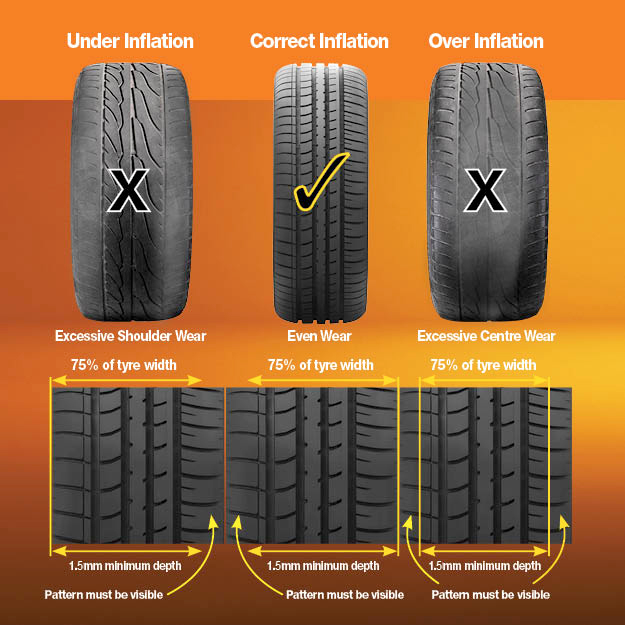
Good Tire Tread Depth Chart
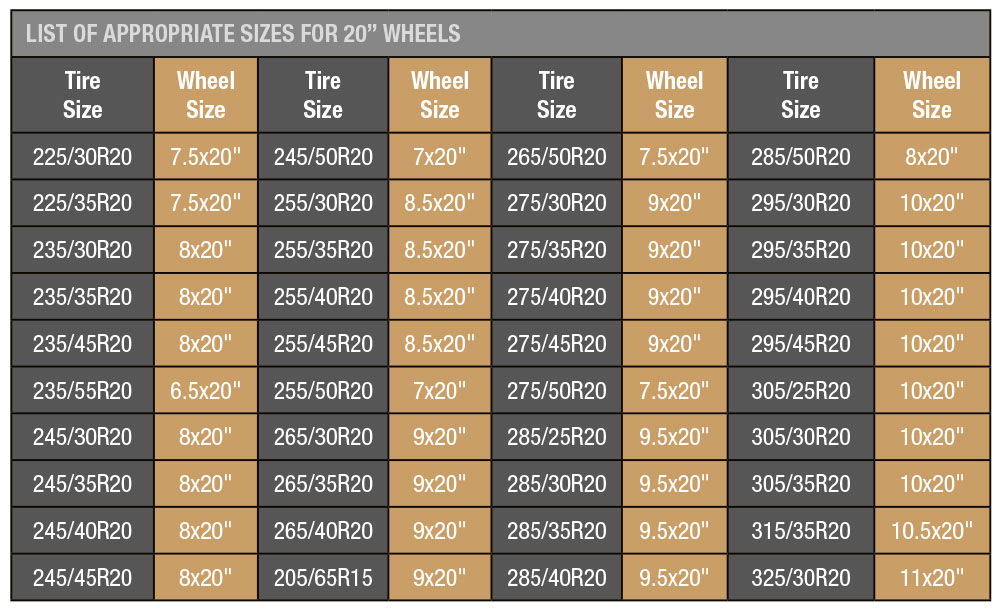
WHEELS AND TIRES SIZES Rim Ringz

Tire Tread Depth Chart amulette
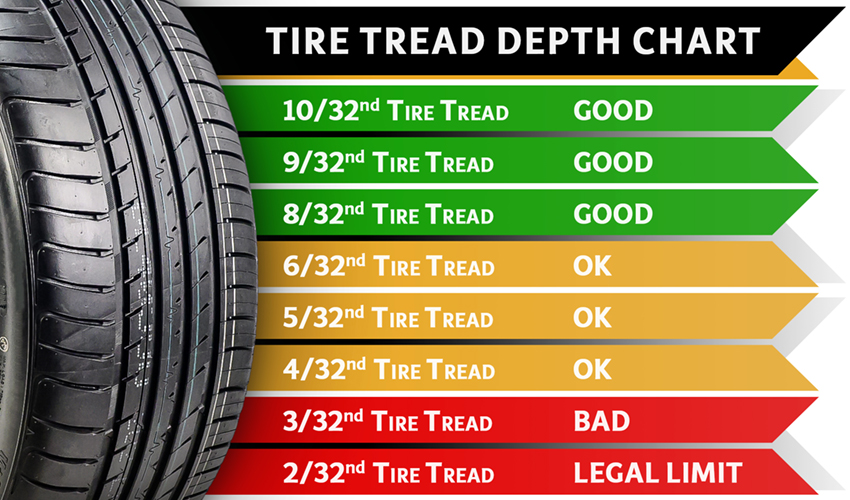
Dot Regulations Complete Guide About Tire Tread Depth Fleet Care
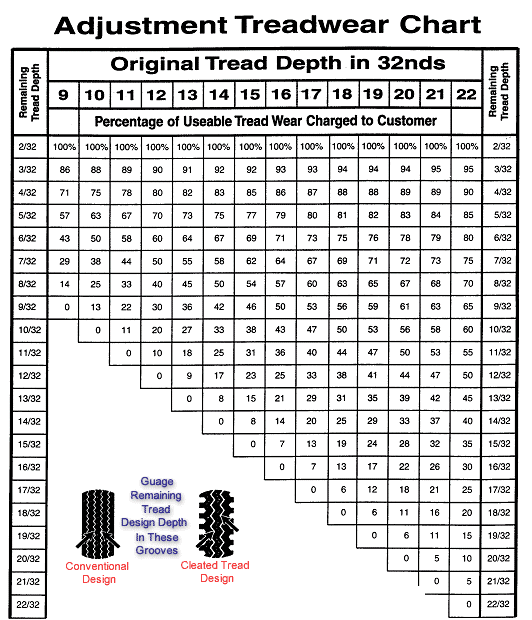
Printable Tire Depth Gauge Printable Word Searches
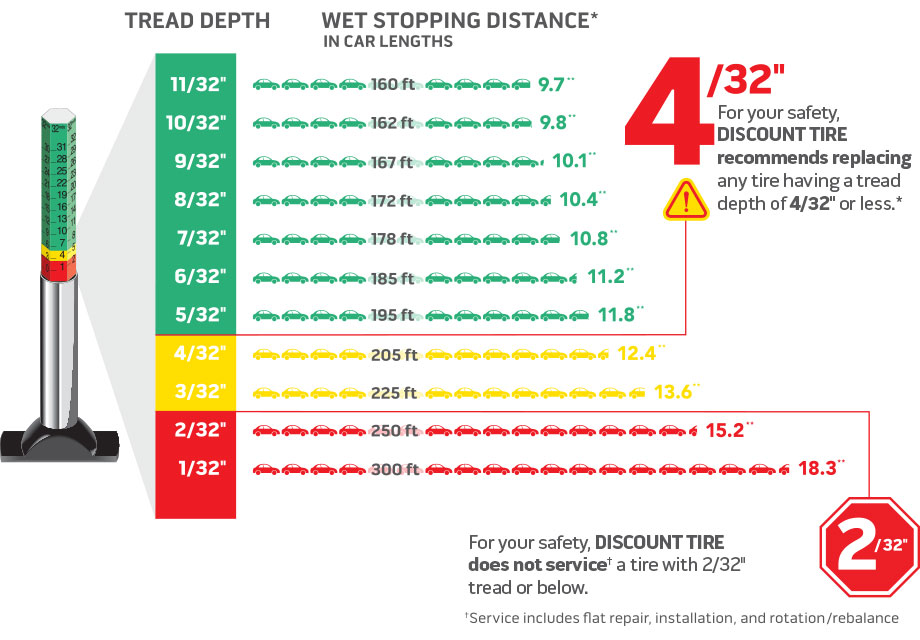
Tire Tread and Stopping Distance Discount Tire
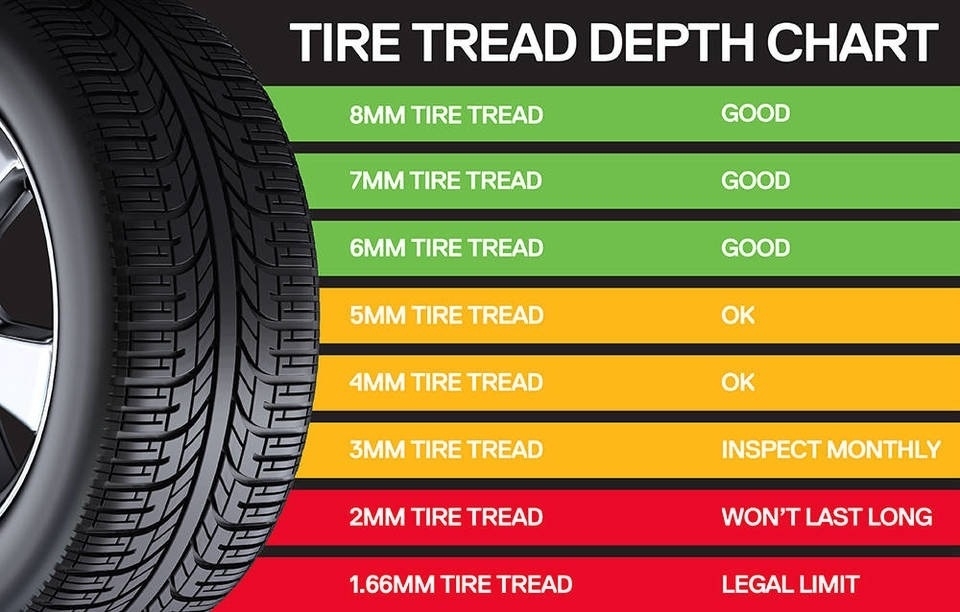
Tire Tread Depth Chart amulette
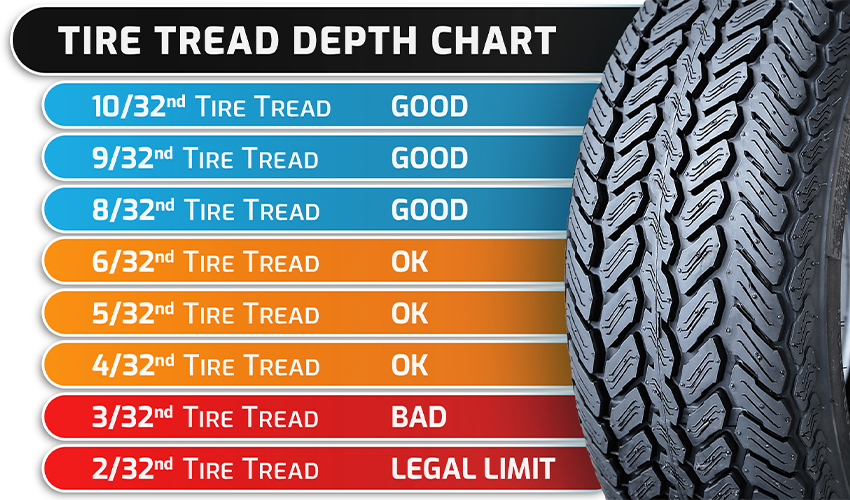
How Long Do Tires Last? Tire Blog
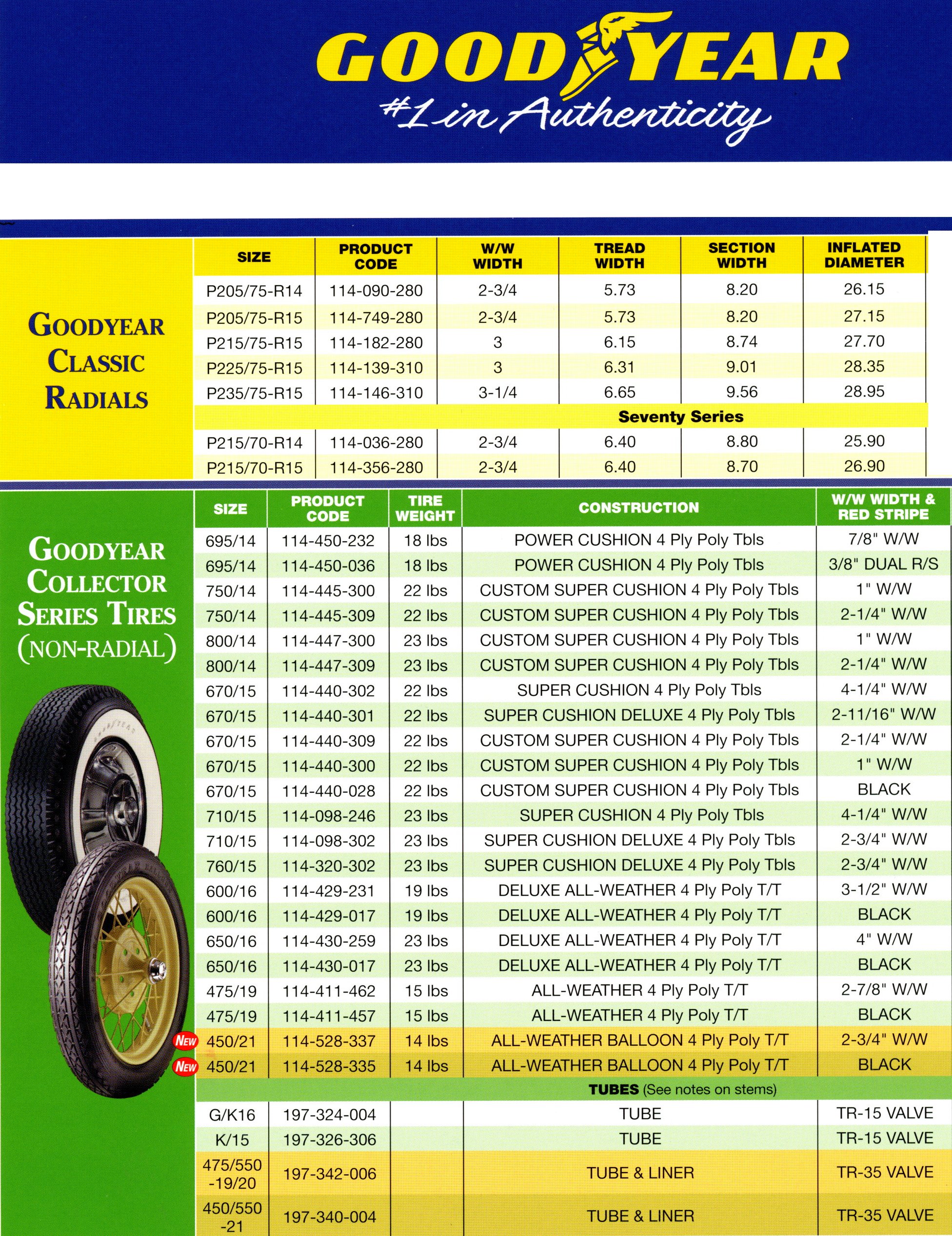
Tire Size Guide Chart Images and Photos finder
Web A Simple Way To Check Your Tire Tread Depth Is By Using A Tread Depth Gauge.
Web The Typical New Tire Used On Automobiles Is Measured With 10/32” To 11/32” Of Tread Depth.
You Can Find Tire Tread Depth Gauges At Your Local Auto Parts Store.
Related Post: