Tooth Chart For Losing Teeth
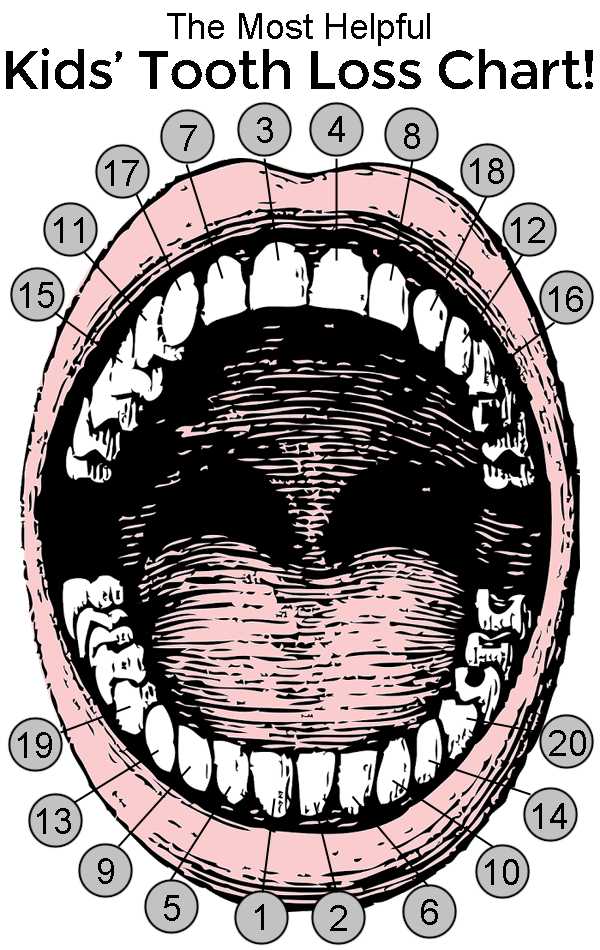
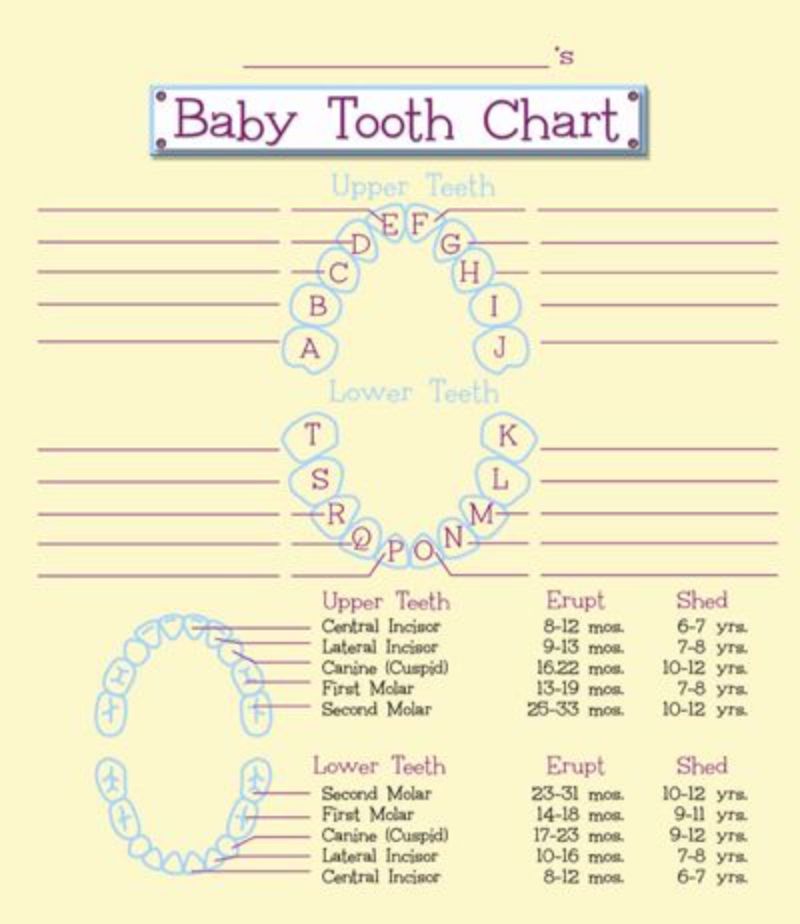
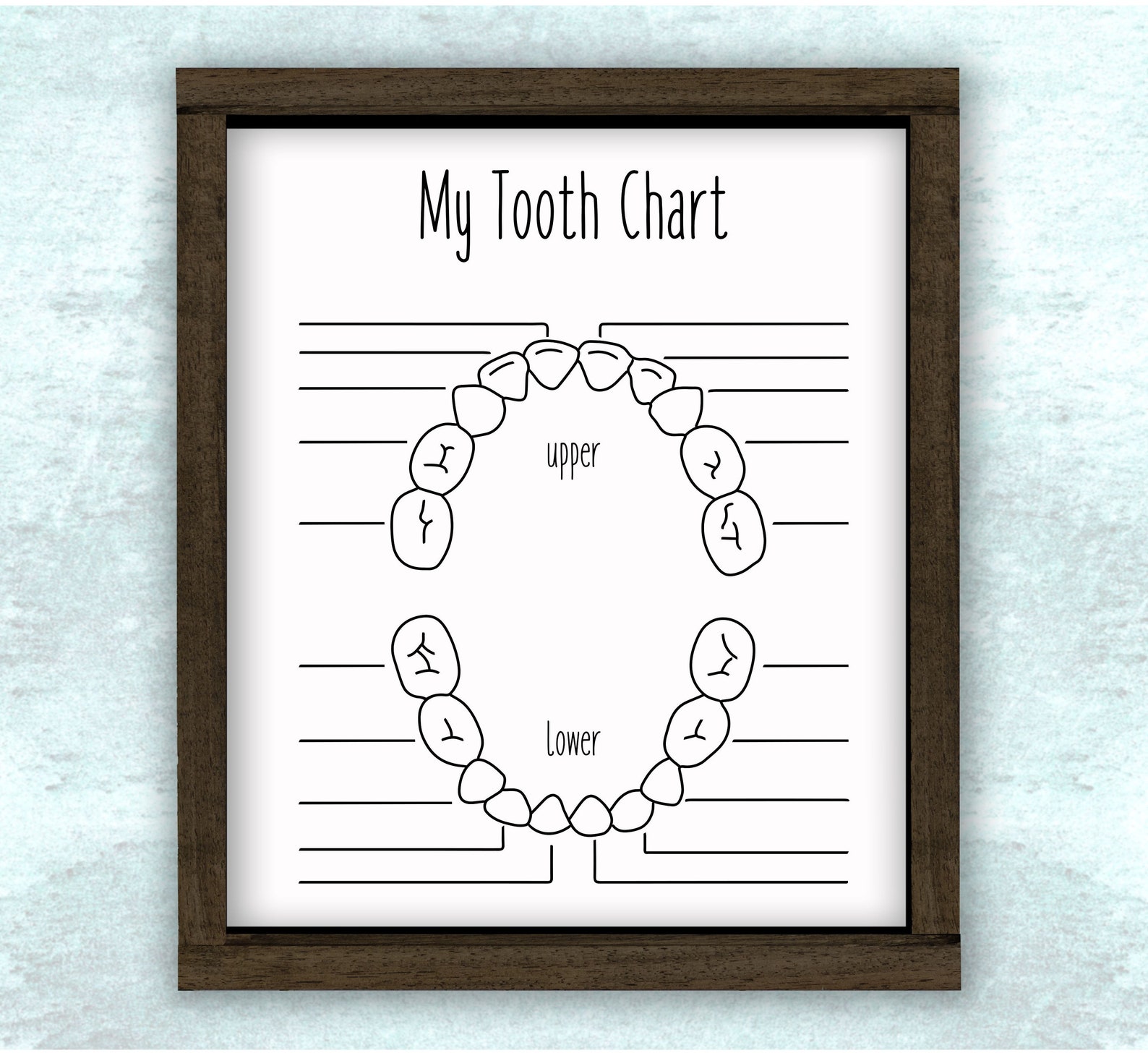
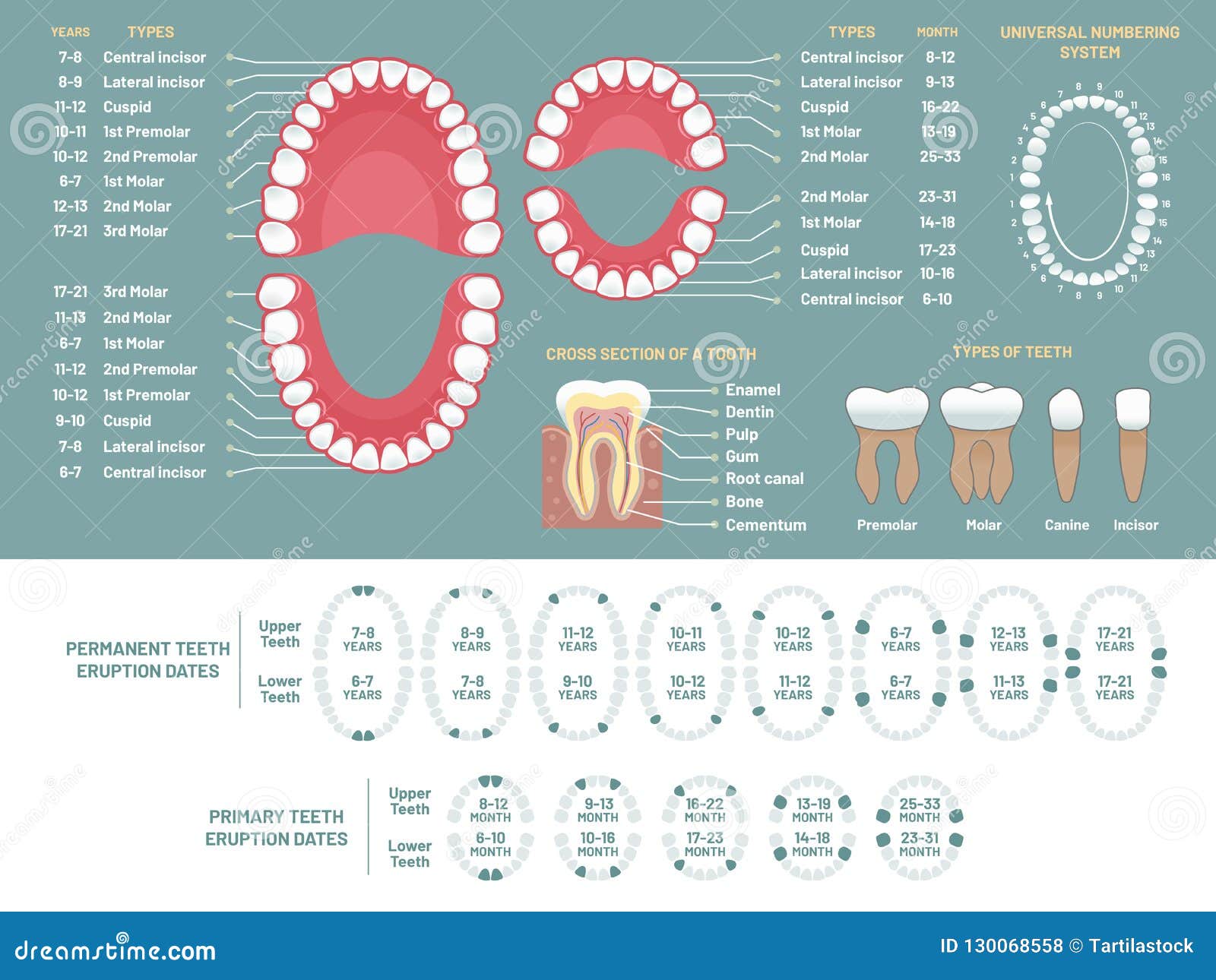
Tooth Chart For Losing Teeth - A child's baby teeth (primary teeth) typically begin to loosen and fall out to make room for permanent teeth at about age 6. The middle teeth are usually the first to go (at 6 to 7 years), followed by the ones on either side (at 7 to 8 years). Web a tooth loss chart can help you follow the development and fall of your child’s primary teeth. Tooth loss ages vary depending on how firmly the teeth are anchored in the jawbone. Web percentage of adults aged 18+ who have had their teeth cleaned in the past year (among adults with natural teeth who have ever visited a dentist or dental clinic). Cavities are the main problem children have with their teeth. What proper care looks like as your child’s primary teeth erupt and fall out. But children can get gum disease too, just like adults. However, sometimes this can be delayed by as much as a year. Web these charts can help you determine when your child’s teeth are likely to fall out and when their permanent teeth will start to come in. Learn more about the differences with primary and permanent teeth structures. The final baby teeth to be shed are the second molars. Web percentage of adults aged 18+ who have had their teeth cleaned in the past year (among adults with natural teeth who have ever visited a dentist or dental clinic). But children can get gum disease too, just like adults. Learn about the order of tooth loss, the age it typically occurs, and possible reasons for losing teeth early or late. Web these charts can help you determine when your child’s teeth are likely to fall out and when their permanent teeth will start to come in. This set of baby teeth emerges at the age of 13 to 19 months (upper teeth) and 14 to 18 months of age for the lower jaw. Web typically, the first baby teeth to fall out are the two bottom front teeth (lower central incisors) and then the two top front teeth (upper central incisors). Cavities are the main problem children have with their teeth. Data for this indicator are not available after 2010. Each child will sprout and lose teeth on their own timeline. If your child's gums bleed, don't stop brushing. Learn when that is and what to do if your child falls outside this norm. What proper care looks like as your child’s primary teeth erupt and fall out. Learn more about the differences with primary and permanent teeth structures. Eruption times vary from child to child. Web baby teeth diagram. Web from the tough nights of teething to the joy of tooth fairy traditions, baby teeth are important in early childhood. Web tooth fairies unite — a pediatric dentist explains when to expect your child’s teeth to start and stop falling out, along with some ways to prep them. This set of baby teeth emerges at the age of 13 to 19 months (upper teeth) and 14 to 18 months of age for the lower jaw. The first baby teeth to fall out are typically the two bottom front teeth (lower central incisors) and the two top front teeth (upper. Web much like getting baby teeth, losing baby teeth. Our baby teeth chart will make it easier to get a handle on which tooth is which! Web your child's teeth can fall out in any order, but baby teeth are often lost in the same order they arrived. Here are the four main types of permanent teeth your little one will end up with: Web from the tough nights. Web from the tough nights of teething to the joy of tooth fairy traditions, baby teeth are important in early childhood. Web typically, the first baby teeth to fall out are the two bottom front teeth (lower central incisors) and then the two top front teeth (upper central incisors). They fall out (or shed) throughout childhood. What proper care looks. Improve your oral health and get a gorgeous smile. Each child will sprout and lose teeth on their own timeline. The final baby teeth to be shed are the second molars. Web baby teeth chart — when they appear and when they fall out. Web the following chart shows when your child's primary teeth (also called baby teeth or deciduous. Web baby teeth chart — when they appear and when they fall out. The final baby teeth to be shed are the second molars. Web these charts can help you determine when your child’s teeth are likely to fall out and when their permanent teeth will start to come in. When new teeth appear, the official term is eruption. Learn. Cavities are the main problem children have with their teeth. Web permanent teeth eruption chart. Teeth vary in size, shape and their location in the jaws. Most children lose their baby teeth one by one over the course of several years. Web before your child’s teeth start to fall out, you may have questions about preparing for the tooth loss. Using a chart to track your child’s teeth can also help you identify any potential issues. Percentage of adults aged 65+ who have lost all their natural teeth due to tooth decay. Web a tooth loss chart can help you follow the development and fall of your child’s primary teeth. Web discover when your baby’s first tooth is likely to. Teeth vary in size, shape and their location in the jaws. However, sometimes this can be delayed by as much as a year. These are lost at the age of 10 to 12 years. Web baby teeth diagram. It happens when the gums that hold our teeth in place get infected. Percentage of adults aged 65+ who have lost all their natural teeth due to tooth decay. Web permanent teeth eruption chart. Web a full set of primary teeth, or baby teeth, consists of 20 teeth, while a full set of adult teeth, or permanent teeth, consists of 32 teeth. Web tooth fairies unite — a pediatric dentist explains when to expect your child’s teeth to start and stop falling out, along with some ways to prep them for the big event. Daily brushing and flossing can stop gum disease. Web below is a breakdown of when each type of tooth erupts in infancy and the use of the teeth. Web from the tough nights of teething to the joy of tooth fairy traditions, baby teeth are important in early childhood. Using a chart to track your child’s teeth can also help you identify any potential issues. Our baby teeth chart will make it easier to get a handle on which tooth is which! Cavities are the main problem children have with their teeth. Learn about the order of tooth loss, the age it typically occurs, and possible reasons for losing teeth early or late. Teeth vary in size, shape and their location in the jaws. If your child's baby teeth came in later, they may lose them later too. When new teeth appear, the official term is eruption. Web there is the first molar that falls out between the ages of nine and 11 years. Web my lost tooth chart a.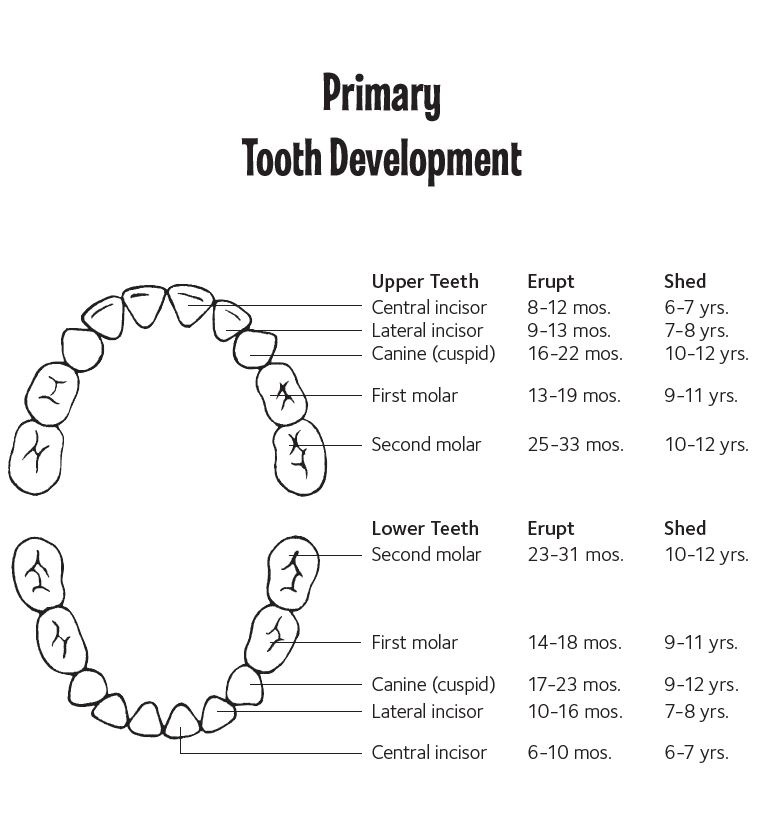
Kids Losing Teeth Chart
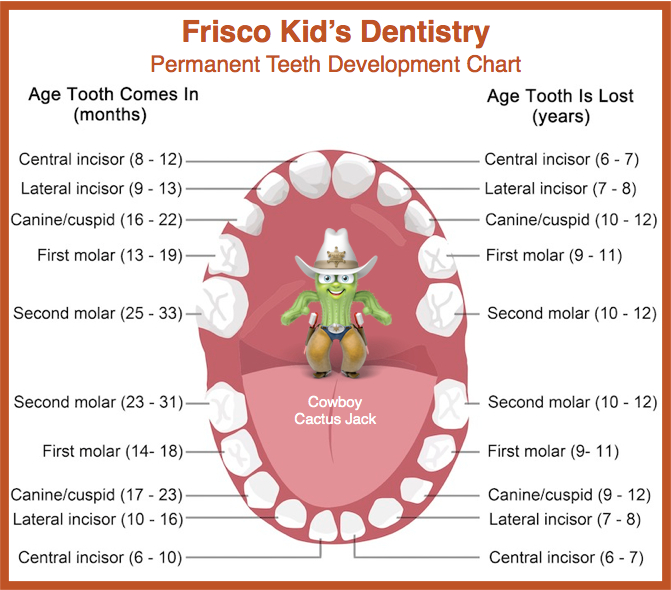
Permanent Tooth Development Chart Frisco Kid’s Dentistry
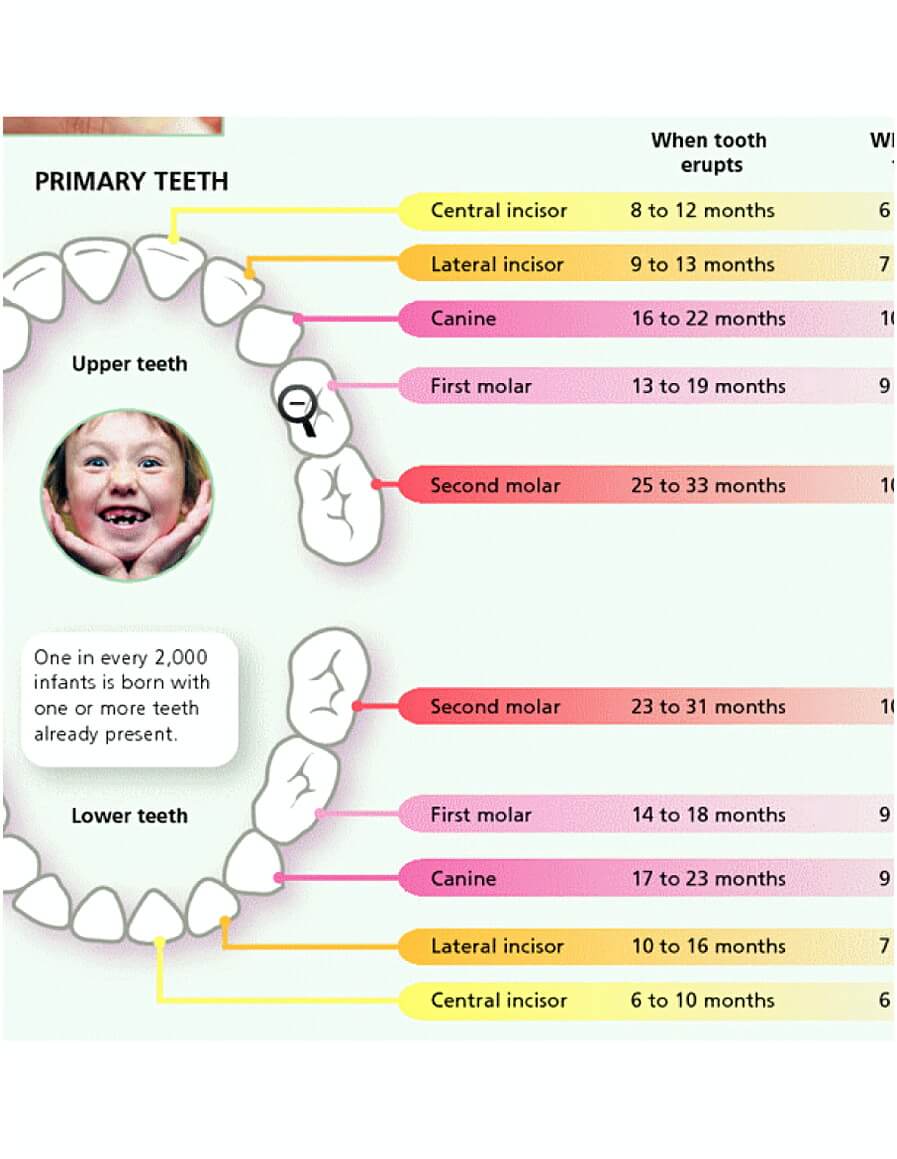
12+ Free Download Best Printable Teeth Chart for Your Baby Mous Syusa
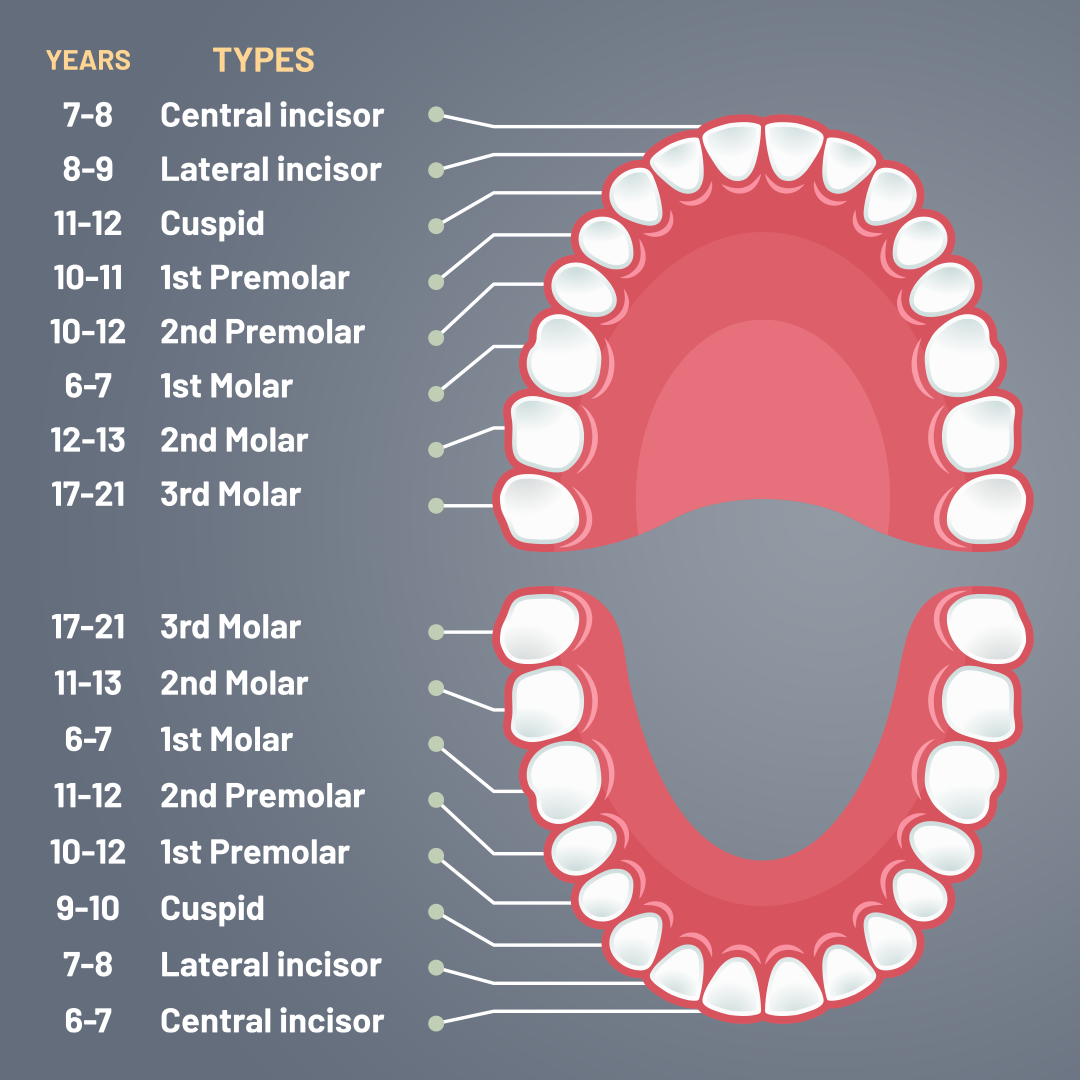
A Pediatric Dentist Explains The Journey of a Tooth Azari & Zahedi
The Most Helpful Kids' Tooth Loss Chart
38 Printable Baby Teeth Charts & Timelines ᐅ TemplateLab
My Tooth Chart // Lost tooth tracker chart // Baby Teeth // Etsy

A timeline for your child’s tooth loss SheKnows
Tooth Anatomy Chart. Orthodontist Human Teeth Loss Diagram, Dental
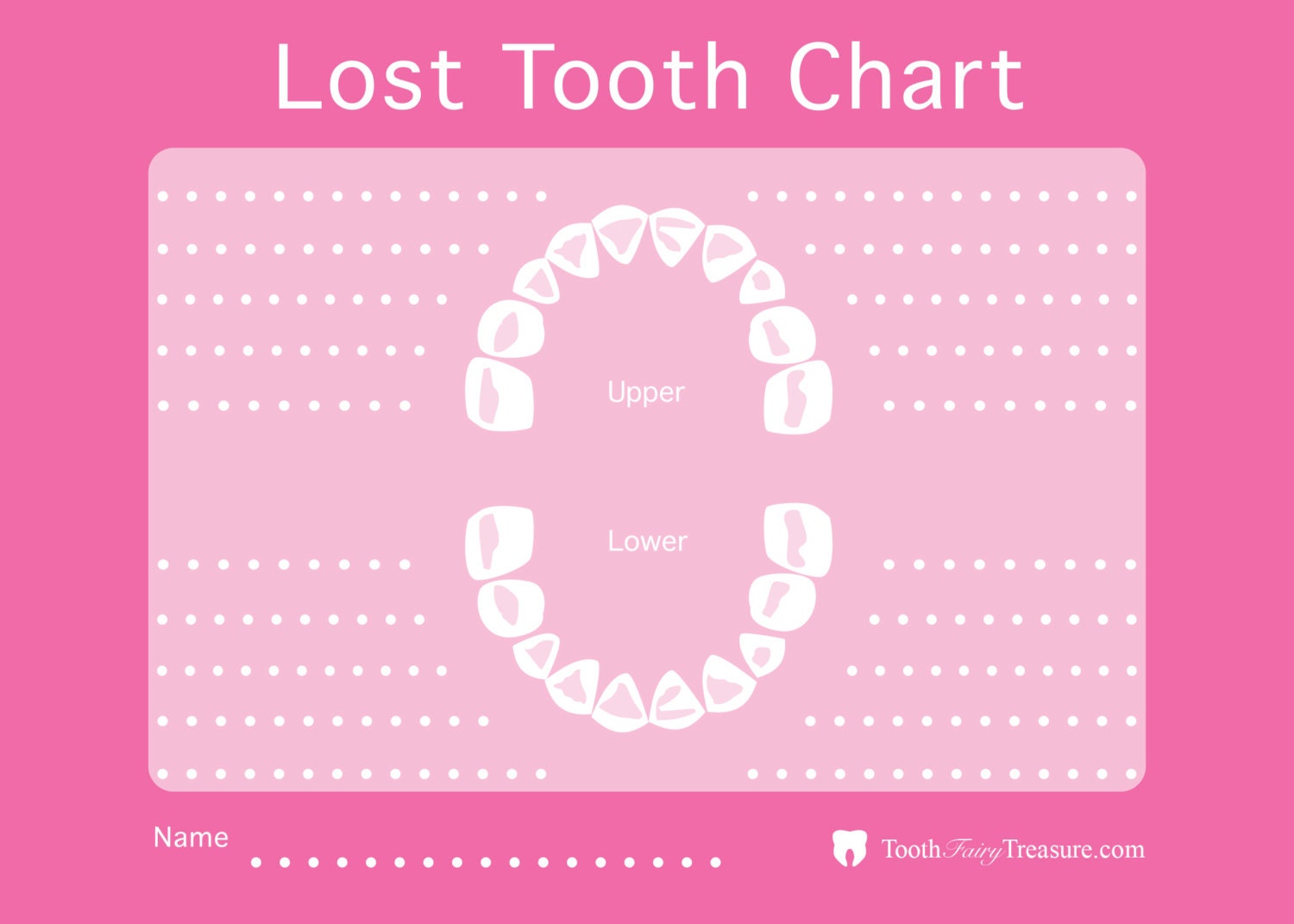
Losing Baby Teeth Chart
Web A Tooth Loss Chart Can Help You Follow The Development And Fall Of Your Child’s Primary Teeth.
This Article Will Cover That And More.
However, Sometimes This Can Be Delayed By As Much As A Year.
Web Discover When Your Baby’s First Tooth Is Likely To Erupt, As Well As What In What Order The Rest Of Your Baby’s Teeth Will Come In, And At What Age.
Related Post: