Pear Pollination Chart
Pear Pollination Chart - Early (group 1 or a), early to mid (group 2 or b), mid (group 3 or c), and last to bloom (group 4 or d). Web bees generally are not as attracted to pear blossoms as they are to apple blossoms. Thin the fruit to one pear per cluster to have large fruit. Some early blooming european pears will cross pollinate with late blooming asian pears. When you decide on the pear variety you want to grow, look at a pollination chart to make sure you select a second variety that is a pollinizer. Some people use numbers, and others use the letter designation. Weather conditions, lack of pollinators, and incompatible varieties can affect pollination success. Choose two varieties from the same flowering time group: Web select your apple, pear, plum or cherry tree variety and we will suggest pollination partners based on flowering group, bloom period, and other attributes. You should choose a different variety of pear to provide the pollen. Should not be used for cross pollination. Web directions for use of pollination chart: Bees generally are not as attracted to pear blossoms as they are to apple blossoms. Web select your apple, pear, plum or cherry tree variety and we will suggest pollination partners based on flowering group, bloom period, and other attributes. Use our easy pollination checking tool to quickly find pollination partners for a given pear tree, or browse the table below. One combination that doesn’t work is seckel and bartlett. Web pears require cross pollination from other pear varieties. Web this article presents a pear ripening chart, highlighting the maturity progression of various pear varieties throughout the seasons. They are an ideal addition to your garden to increase production of all fruits and vegetables. Web bees generally are not as attracted to pear blossoms as they are to apple blossoms. The unmarked boxes will be a reliable pollinizer for the cultivar you have chosen. They are an ideal addition to your garden to increase production of all fruits and vegetables. Web there are four generally accepted categories: By using this chart, individuals can optimize their harvest season through succession planting, ensuring a continuous supply of ripe pears. Web pears require. Web there are four generally accepted categories: Having said that, there is no industry standard on how pears are categorized. Weather conditions, lack of pollinators, and incompatible varieties can affect pollination success. Early (group 1 or a), early to mid (group 2 or b), mid (group 3 or c), and last to bloom (group 4 or d). Should not be. By using this chart, individuals can optimize their harvest season through succession planting, ensuring a continuous supply of ripe pears. Choose two varieties from the same flowering time group: Web to produce fruit all fruit trees must have proper pollination from bees and other insects. The unmarked boxes will be a reliable pollinizer for the cultivar you have chosen. Partially. Early (group 1 or a), early to mid (group 2 or b), mid (group 3 or c), and last to bloom (group 4 or d). Pears follow broadly the same pattern as apples, with pollination based on bloom times and flowering groups, with a few enchancements for specific incompatabilities. Suggested pollinizer for this variety. Twice as many bees should be. Web most european pears require cross pollination with another variety. Should not be used for cross pollination. The unmarked boxes will be a reliable pollinizer for the cultivar you have chosen. When you decide on the pear variety you want to grow, look at a pollination chart to make sure you select a second variety that is a pollinizer. By. Pears follow broadly the same pattern as apples, with pollination based on bloom times and flowering groups, with a few enchancements for specific incompatabilities. Web there are four generally accepted categories: Thin the fruit to one pear per cluster to have large fruit. Suggested pollinizer for this variety. Some early blooming european pears will cross pollinate with late blooming asian. Should not be used for cross pollination. Apples, pears, and sweet cherries must have other different varieties blooming closeby in order for the bees to transport pollen from one bloom. These charts will guide you to which different cultivar must be planted nearby to ensure a large harvest of fruits. Some people use numbers, and others use the letter designation.. Web select your apple, pear, plum or cherry tree variety and we will suggest pollination partners based on flowering group, bloom period, and other attributes. Web european pear pollination chart directions for use: Suggested pollinizer for this variety. Bees generally are not as attracted to pear blossoms as they are to apple blossoms. One grower has suggested either parker or. Weather conditions, lack of pollinators, and incompatible varieties can affect pollination success. Web most asian pears cross pollinate with each other to some degree, the above chart lists the best combinations for optimum fruit set. Suggested pollinizer for this variety. Pears follow broadly the same pattern as apples, with pollination based on bloom times and flowering groups, with a few. Web some fruit trees and shrubs cannot produce fruit on their own, or if they can, then it's not highly effective. Web this article presents a pear ripening chart, highlighting the maturity progression of various pear varieties throughout the seasons. Blank squares indicate reliable pollination partners. Blooming time can vary greatly by geographical location and weather conditions; Web most european. Web there are four generally accepted categories: You should choose a different variety of pear to provide the pollen. Should not be used for cross pollination. By using this chart, individuals can optimize their harvest season through succession planting, ensuring a continuous supply of ripe pears. Twice as many bees should be available to pears than for other fruits. Web pears require cross pollination from other pear varieties. Web directions for use of pollination chart: Web this article presents a pear ripening chart, highlighting the maturity progression of various pear varieties throughout the seasons. One combination that doesn’t work is seckel and bartlett. Blank squares indicate reliable pollination partners. Web suitable for cross pollination if bloom coincides. Choose two varieties from the same flowering time group: To help with pollinization we recommend mason bees. Web bees generally are not as attracted to pear blossoms as they are to apple blossoms. Web to produce fruit all fruit trees must have proper pollination from bees and other insects. Early (group 1 or a), early to mid (group 2 or b), mid (group 3 or c), and last to bloom (group 4 or d).
Fruit Trees Health & Harvest Watters Garden Center

Pear Growing Guide How to Grow A Pear Tree Perfect Plants

Bartlett Pear Pollination Chart
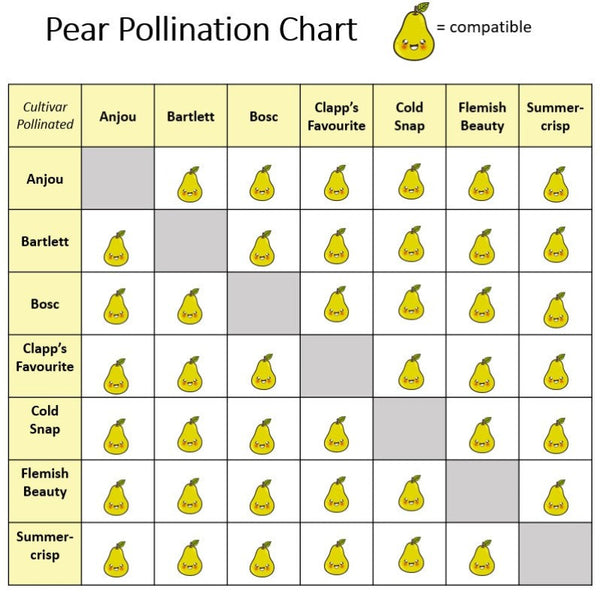
PEAR FLEMISH BEAUTY Knippel Garden Centre

Pear pollinating chart Ggarden Pinterest

Pear pollination chart Gardening Care & ideas Pinterest

Pollination Charts for Fruitbearing Trees and Shrubs
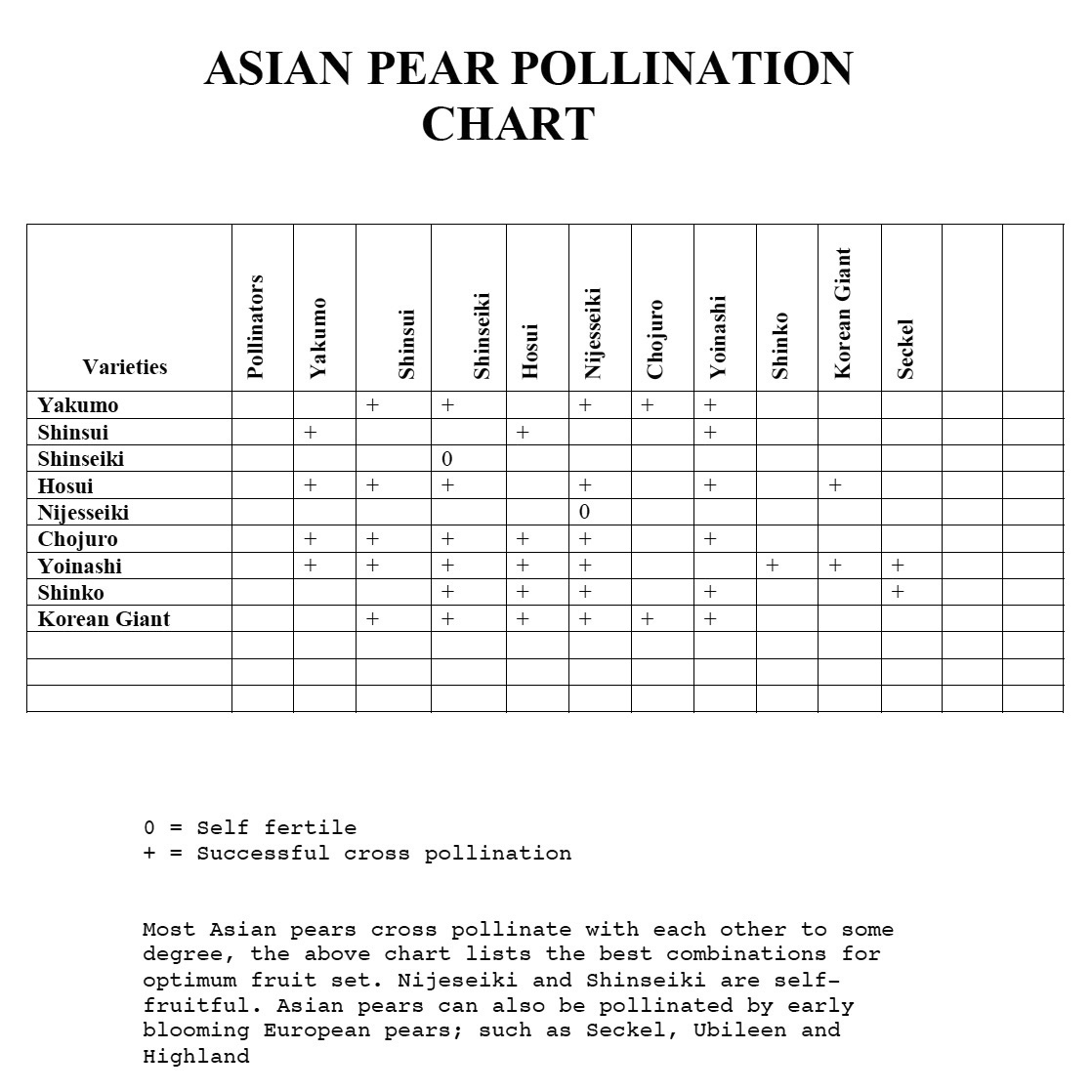
Asian Pear Pollination Charts AgriHunt
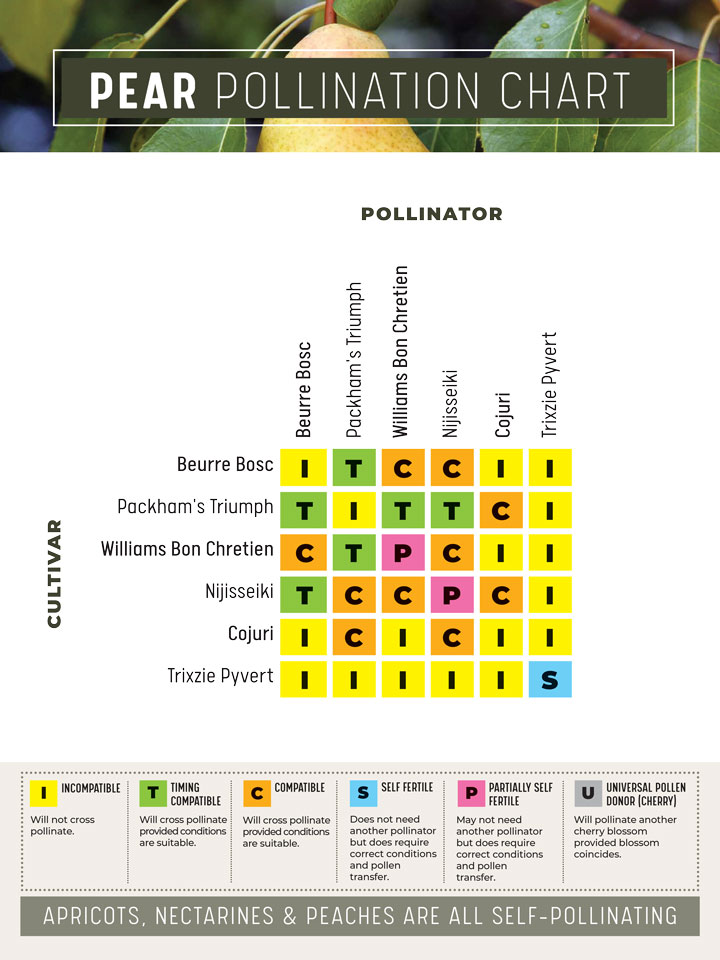
Fruit tree pollination what goes with what? Flower Power
Pear Pollination Chart PDF
One Grower Has Suggested Either Parker Or Patten But I'd Suggest You Pick A Variety That Sound Attractive To You And That Shows Good Resistance To Fire Blight.
They Are An Ideal Addition To Your Garden To Increase Production Of All Fruits And Vegetables.
Select A Cultivar In The Left Column And Read Across The Chart To Choose Pollination Partners.
Pear Blossoms Have A Short Season And The Small Amount Of Nectar Produced Is Not Attractive To Bees.
Related Post:
